
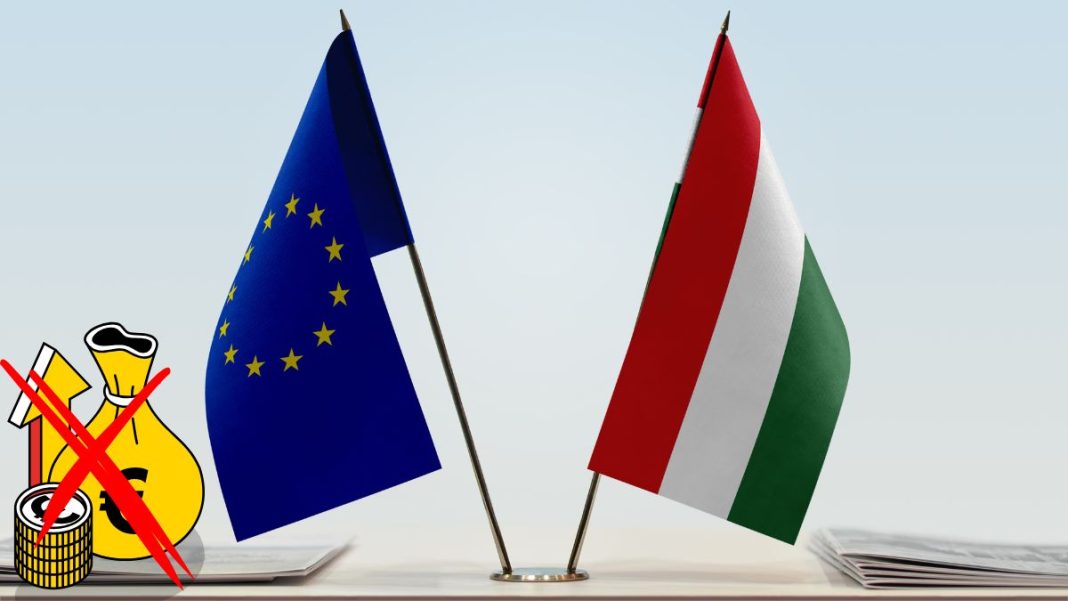

Hungary has lost its entitlement to a significant portion of European Union (EU) funding, totaling more than €1 billion ($1.17 billion), after failing to meet rule-of-law requirements. The decision follows the country’s inability to implement necessary reforms that were due by the end of 2025.
The EU ties its funding to member states’ compliance with basic democratic and legal standards. These include laws that fight corruption and prevent conflicts of interest. Countries that fail to meet these standards risk having their financial aid frozen. Hungary’s failure to adopt these reforms has now led to the suspension of a major funding tranche.
Why Hungary Lost the Funds
The European Commission, the EU’s executive body, made it clear that Hungary needed to make legal and administrative changes to access the frozen funds. In particular, these reforms were aimed at preventing corruption, increasing transparency, and ensuring that conflicts of interest could be properly managed. Overall, the goal of these measures is to make sure all EU countries operate under a common set of values and rules.
The frozen funds were initially intended to support Hungary’s economically weaker regions. At the same time, they were part of EU development programmes scheduled for 2023. However, the Commission found that Hungary had not implemented the required reforms. As a result, the funds were frozen and are no longer accessible for the projects they were meant to support.
This is not the first time Hungary has faced a reduction in EU aid. Previously, a tranche also worth over €1 billion expired at the end of 2024 because the necessary reforms were not introduced. Taken together, the repeated suspension of funds highlights ongoing concerns within the EU about governance standards in the country.
How Much Money is at Stake
The €1 billion lost now is only a small part of the total EU funding Hungary risks losing. In 2021, the EU introduced the Rule of Law Conditionality Regulation. This law allows the EU to link financial support to member states’ adherence to rule-of-law principles. Under this system, countries that fail to uphold democratic standards or EU values can have their funding withheld.
Hungary escapes U.S. sanctions — Trump approves Russian energy exemption for one year
By the end of 2022, EU member states agreed to freeze around €6.3 billion of Hungary’s funding for the 2021-27 multiannual budget. In addition to this, other EU regulations have blocked further funds. Altogether, the European Commission reports that Hungary currently has roughly €17 billion in aid frozen.
To put this into perspective, Hungary’s total economic output in 2024 was approximately €205 billion. Losing over €1 billion from a single funding tranche is a considerable setback, especially because the funds were meant to support development projects in areas that need economic assistance the most.
The Role of EU Rule-of-Law Measures
The EU’s Rule of Law Conditionality Regulation was designed to protect the bloc’s financial interests. It also encourages member states to respect democratic principles and good governance. It gives the EU the authority to suspend funding. This applies to countries that fail to meet these standards.
Hungary’s inability to implement reforms triggered the latest suspension of funds. These reforms include anti-corruption measures. They also include laws to prevent conflicts of interest. The European Commission continuously monitors compliance. It decides whether frozen money can be released. This depends on progress toward the EU’s requirements.
Hungary’s defense ministry rejects request for NATO air defense backup despite drone threats
The frozen funds were intended to help underdeveloped regions. They were meant to improve local infrastructure. They were also planned to support important development projects. Without access to this aid, many initiatives are now on hold. The funds cannot be used until Hungary meets the EU’s standards.
This step by the EU reflects its ongoing commitment to maintaining rule-of-law standards. It applies these standards across all member states. Hungary now joins the list of countries where EU funding has been blocked. The reason is concerns over governance and legal compliance. The suspension emphasizes the EU’s focus on financial accountability. It also highlights the importance of aligning national practices with shared values.