
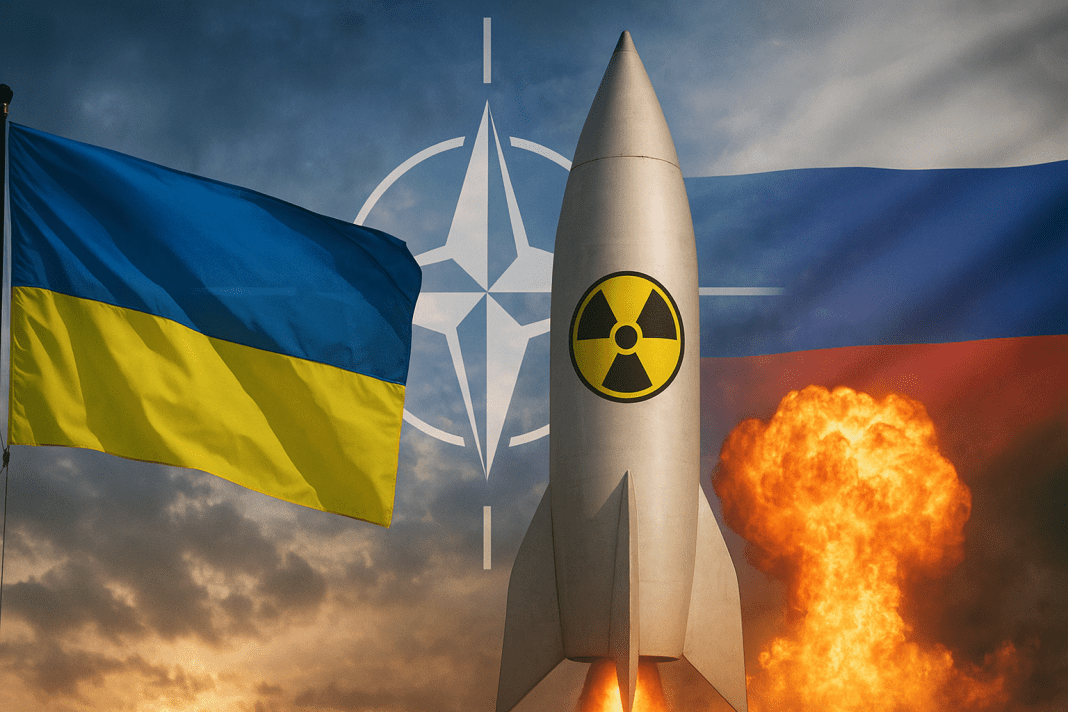

A strong political debate has emerged after a senior Ukrainian official suggested that Ukraine may need extremely powerful security guarantees, including NATO membership, hosting nukes, or allowing a large foreign military presence inside the country. These ideas were presented as options to ensure Ukraine’s long-term safety, especially after years of conflict and ongoing tension with Russia.
Rising Concerns Over Ukraine’s Call for NATO and Nukes
The comments immediately drew a sharp response from a key US senator, who said the proposals were far beyond what is possible at this time. His statement quickly captured attention because it clearly signaled that certain requests from Ukraine—especially involving NATO membership and nukes—do not have support in Washington.
The senator explained that any discussion about Ukraine’s future security must be realistic. He stated that the United States does not support accepting Ukraine into NATO right now and does not support placing nukes on Ukrainian soil. He warned that such steps could spark dangerous reactions and create risks that many countries are not willing to take.
Putin backs Ukraine’s EU option but repeats NATO membership remains a red line for Moscow
Ukraine officially applied to join NATO in 2022, shortly after the conflict intensified. Some European countries have shown readiness to support Ukraine’s long-term security, and some even say they might contribute to a multinational force after a ceasefire. But this would only happen if the fighting pauses and all sides agree.
The United States, however, has made its limits clear. It will not approve Ukraine joining NATO in the near future, and it will not send American soldiers or nukes to the country. These decisions reflect deep concerns about escalating the conflict into something unmanageable.
Western Divide Widens as Debate Over Ukrainian Nukes Grows
The senator’s warning showed a clear divide among Ukraine’s partners. Some European countries believe stronger military steps may be needed to stop future threats. They say Ukraine needs firm, long-term protection, even if that means foreign troops or advanced weapons.
But the US has set strict limits, especially on nukes and new NATO membership while the conflict is ongoing. Washington fears that placing nukes in such a tense region could spark global alarm, increase mistrust, and create dangerous consequences.
Ukraine’s leaders say they need very strong guarantees to stay safe once the fighting ends. This is why nukes were mentioned as an option, even though nuclear weapons are highly sensitive and tightly controlled.
🇺🇸 Trump says no NATO for Ukraine, highlights Crimea stance before talks with Zelensky
Nukes carry huge political risks, and placing them in a conflict zone would create serious concern among neighboring countries. Joining NATO is also difficult, since every member must agree. Many worry that adding a country in active conflict could pull the whole alliance into direct confrontation.
Because of these concerns, many of Ukraine’s partners prefer solutions that do not increase the danger. The debate continues as each country tries to support Ukraine while avoiding steps that could escalate the conflict further.
Russia’s Firm Red Lines and Continuing Pressure
Russia has reacted strongly to Ukraine’s earlier application to join NATO and to any discussion about nukes being placed in the region. Russian officials have repeated that Ukraine must stay neutral and must not host nuclear weapons or foreign troops. They argue that any such move would cross their red lines.
Russia insists that placing nukes in Ukraine would be considered a direct threat. It has warned that such a move could lead to major clashes and even force Russia to respond militarily. This is why nuclear discussions are so sensitive and why many Western nations avoid taking steps that could spark an unpredictable reaction.
The presence of Western troops inside Ukraine is another issue Russia strongly opposes. Officials in Moscow have said that any foreign military forces—especially those tied to NATO—would be seen as a challenge that could trigger conflict with the alliance.
Trump Wants Ukrain’s NATO Membership Talks Excluded As Peace Negotiations Intensify
These firm positions show why every suggestion involving NATO membership, foreign troop presence, or nukes becomes a major global topic. Ukraine is seeking strong protection, but the surrounding powers are carefully measuring every move. The situation remains tense, and each new statement adds to the growing attention worldwide.
For now, the international community remains split. Ukraine continues to push for powerful guarantees, including discussions that involve nukes, while the US maintains that such steps “will not fly.” The debate marks another chapter in the ongoing struggle to find a balance between supporting Ukraine and preventing a larger global conflict.