

Federal prosecutors have expanded the charges against individuals accused of disrupting a church service in Minnesota during an anti-ICE protest earlier this year. Authorities have indicted 30 additional individuals, bringing the total number facing federal charges to 39.
The protest occurred in January at a church in St. Paul while Sunday worship was underway. According to court documents, demonstrators entered the building and began chanting slogans, including “ICE out” and “Justice for Renee Good.” This reference was to a woman whom an immigration enforcement officer fatally shot in Minneapolis days earlier.
Officials describe the incident as planned and coordinated. The updated indictment alleges that some participants surveyed the church property a day before the protest and discussed blocking access points. Prosecutors claim the disruption frightened families inside, including children present during the service.
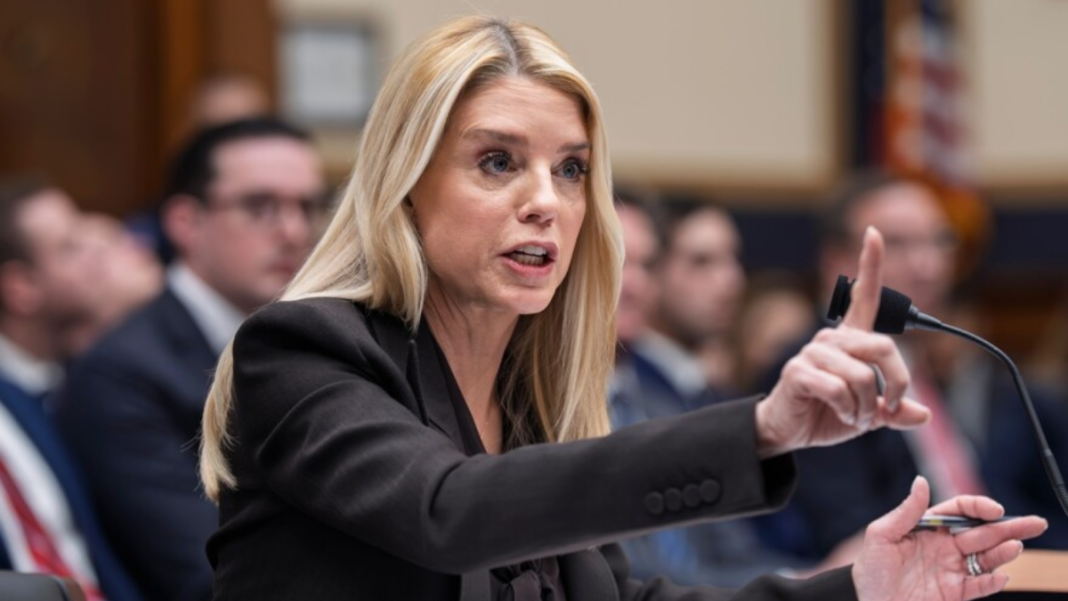
U.S. Attorney General Pam Bondi publicly announced the expanded charges, stating that authorities would prosecute attacks on houses of worship. They reported that authorities took 25 of the newly charged individuals into custody, and those individuals appeared in court before being released pending further proceedings.
Those facing charges accuse others of conspiracy against religious freedom and interfering with the free exercise of religion. Prosecutors argue that the protest crossed legal boundaries by interrupting a religious gathering.
Journalists and Activists Among the Charged
Among the individuals previously charged are journalist Don Lemon, independent reporter Georgia Fort, and Minnesota-based activist Nekima Levy Armstrong. They have said they were present at the church during the protest and have pleaded not guilty.
ICE triples Azure data use — Microsoft says no mass civilian surveillance
Federal court filings describe the protest as a “coordinated takeover-style” action. The indictment includes allegations that demonstrators blocked certain areas and shouted statements inside the church that authorities consider intimidating.
Doug Wardlow, a lawyer representing the church, welcomed the additional indictments. He stated that while people have the right to express their opinions, that right does not include storming a church service or alarming families while they worship.
On the other hand, Trahern Crews, the lead organizer of Black Lives Matter Minnesota and one of the earlier defendants, criticized the government’s actions. He argued that the arrests were unnecessary and that peaceful protesters were being treated unfairly.
The legal process continues to unfold. So far, all defendants who have appeared in court have been released after their initial hearings.
Immigration Tensions and Community Impact in Minnesota
The protest unfolded during a period of heightened immigration enforcement in Minnesota. At the time, federal authorities were conducting a large-scale operation known as Operation Metro Surge. Thousands of federal officers were deployed across the state following investigations into public fraud cases.
ICE faces scrutiny after immigrant reports head injuries during Minnesota arrest ruled unlawful
The enforcement effort led to repeated clashes in the neighborhood and provoked strong reactions from residents. Officers used tear gas in some crowd-control situations. The shooting of a 37-year-old woman by an immigration officer earlier in January intensified anger within parts of the community. About a week after the church protest, another federal officer fatally shot someone.
Demonstrations spread beyond Minnesota, prompting officials to gradually scale back the large federal presence. According to court filings, the number of immigration and homeland security officers in Minneapolis significantly dropped by early March.
City officials later announced that the extended enforcement operation had a major financial impact. Minneapolis estimated losses totaling about $203 million during that period, and many residents needed emergency relief assistance.
DOJ sues New Jersey over executive order it says blocks federal immigration enforcement
Separately, a woman who attended the church service on the day of the protest has filed a civil lawsuit against some of those charged. She alleges emotional distress and says the disruption interfered with her ability to practice her faith.
The expanded indictment now adds further legal weight to a case that has drawn national attention. The situation has highlighted ongoing tensions around immigration enforcement, protest rights, and the protection of religious spaces. Court proceedings continue as federal authorities pursue the charges linked to the January church protest.