
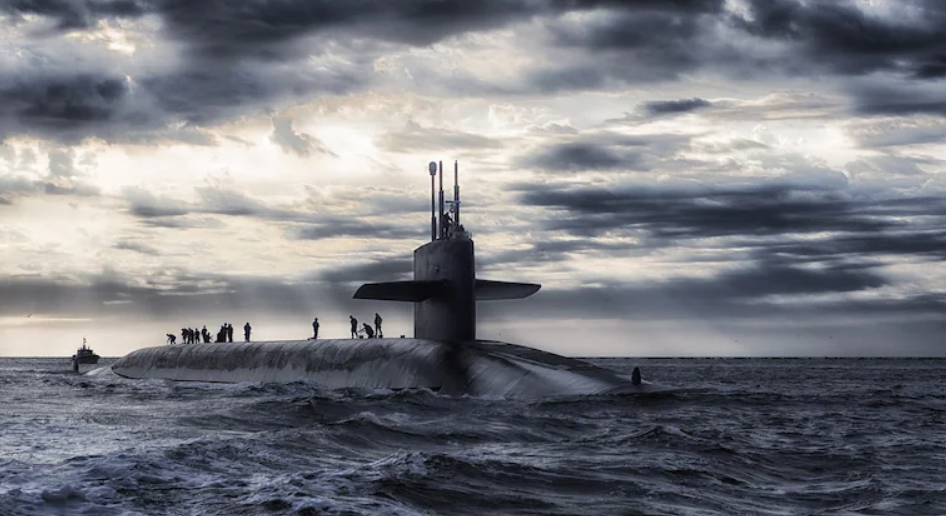

Security breaches at HMNB Clyde, widely known as Faslane, have increased sharply in recent years, according to newly released data obtained through Freedom of Information requests. The naval base, located on Scotland’s west coast, is one of the most sensitive military locations in the United Kingdom because it houses the country’s nuclear submarine base and strategic fleet.
Rising incidents at Britain’s key nuclear submarine base
Official data shows that security incidents at the base increased from 16 cases in 2021 to 149 last year, marking a rise of more than ten times in just a few years. The sharp increase has drawn attention because Faslane operates as Britain’s primary nuclear submarine base, supporting the country’s continuous at-sea nuclear deterrent and forming a key part of national defense infrastructure.
Authorities clarified that most breaches were not major attacks but involved issues such as lost ID cards, paperwork errors, misuse of restricted electronic devices, or data protection violations. While experts considered many incidents minor, they say rising numbers at a nuclear submarine base can still reveal weaknesses in procedures, training, or oversight at sensitive nuclear facilities.
Britain unveils £500 million defence package with missiles for Ukraine
Officials say they review and update security measures regularly to improve effectiveness. However, the steady growth in reported incidents suggests ongoing challenges remain for the nuclear submarine base, especially as operational demands continue to increase. The rise has also raised concern because it began after the war in Ukraine, a period marked by heightened tensions between Western nations and Russia.
Nuclear weapons storage site also reports higher breach numbers
The rise in security incidents does not affect Faslane alone. Data also shows that breaches have increased at the nearby Royal Navy Armaments Depot Coulport, a highly secure facility that stores and maintains Britain’s nuclear warheads linked to the nuclear submarine base.
Officials recorded 19 incidents at Coulport last year, compared with nine in 2021 and only two in 2018. The site plays a crucial role in the country’s nuclear defense system, as staff service and maintain warheads there before deploying them aboard submarines operating from the nuclear submarine base at Faslane. Because of this close connection, authorities treat security at both locations as part of a single protective network.
Defense officials did not disclose detailed explanations for individual incidents due to security concerns. However, they said breaches can involve administrative errors, misplaced documents, or unauthorized electronic devices entering restricted zones.
Military analysts stress that even minor procedural mistakes can carry risks at nuclear facilities. Lost identification cards or mishandled paperwork could potentially allow espionage or unauthorized access if not addressed quickly.
There are also growing concerns about newer threats, including drones flying near bases and digital surveillance attempts, which modern technology has made harder to detect and prevent.
Hybrid warfare fears linked to growing security concerns
Faslane is home to Britain’s Vanguard-class submarines, which can carry Trident missiles and form the country’s nuclear deterrent. Because these submarines operate continuously, strong security around the nuclear submarine base is considered essential to national defense.
Security experts say Western countries are increasingly facing “hybrid warfare,” a type of conflict that stays below the level of open war but still aims to weaken a nation’s stability and defenses. This can include cyberattacks, sabotage, misinformation campaigns, and attempts to gather intelligence near important infrastructure.
Military bases, energy networks, communication cables, and transport systems are all seen as possible targets in such operations. Analysts note that Britain’s strong support for Ukraine may increase attention on strategic sites, making any nuclear submarine base especially sensitive.
Britain strengthens Arctic deterrence with massive Norway troop surge
Specialists also explain that the rise in reported incidents may partly reflect better reporting practices, with staff more carefully recording mistakes and minor violations. However, they warn that increasing numbers still suggest pressure on existing security systems.
Concerns have been raised about training standards, oversight, and defense investment. Experts stress that security depends not only on physical protection but also on awareness among military and civilian personnel working in restricted areas. Officials reviewing the data have described the figures as serious and requiring continued vigilance.