

Top national security officials in the United States are preparing for a rare and important briefing with the “Gang of Eight,” according to several people familiar with the plan. The Gang of Eight is a small, powerful group made up of leaders from both the House and Senate, as well as the top members of the intelligence committees from each chamber. These lawmakers are usually briefed on the most sensitive national security matters.
Key US Leaders Set for High-Level National Security Meeting
U.S. Defense Secretary Pete Hegseth, Chairman of the Joint Chiefs of Staff General Dan Caine, and U.S. Secretary of State Marco Rubio plan to lead the meeting. Sources say the briefing will take place on Tuesday afternoon at around 3:30 p.m. (2030 GMT). The people sharing this information requested anonymity because the details are not yet public.
Officials have not shared the exact topic of the briefing, but its timing has drawn attention in Washington. The United States now faces rising tensions with Venezuela, and President Donald Trump has threatened to order land strikes against suspected drug traffickers. These threats follow more than three months of U.S. military operations targeting what the government calls “drug boats” in both the Caribbean and the Pacific.
Growing National Security Pressure as US Steps Up Military Operations
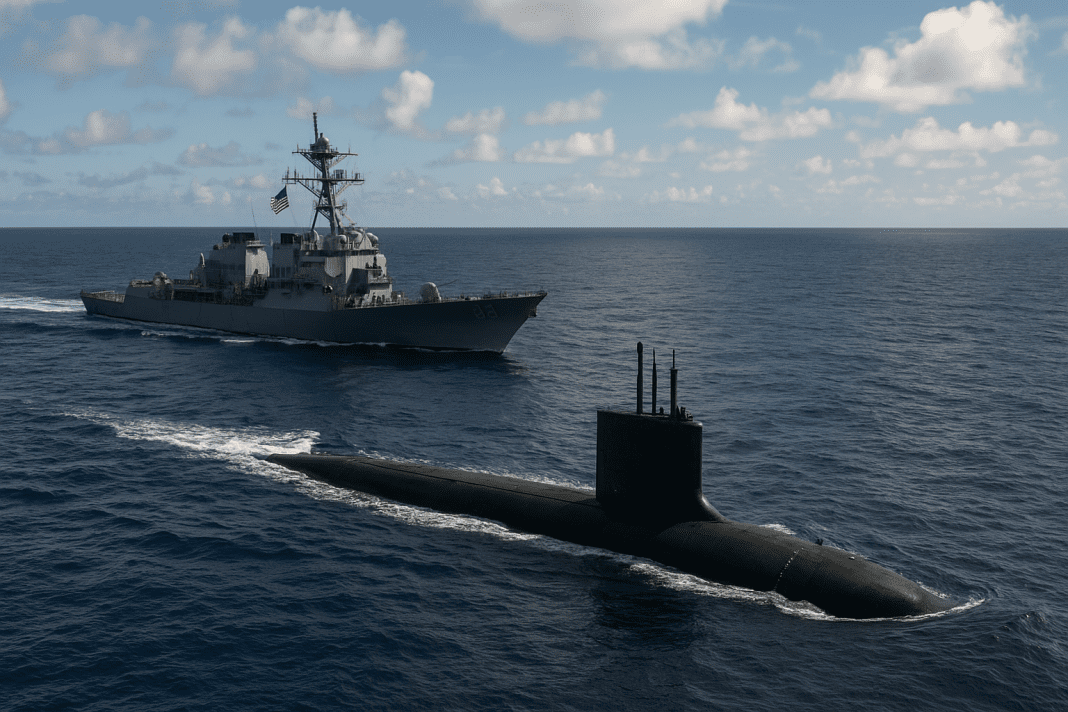
Over the past several months, the U.S. military has sharply increased its presence near Venezuela, raising significant national security questions in Washington. The build-up includes multiple warships in the Caribbean, an aircraft carrier strike group, and even a nuclear-powered submarine. These moves have drawn concern from lawmakers and legal experts who are examining whether the missions follow established rules.
Another important briefing is scheduled for Tuesday. Admiral Alvin Holsey, the outgoing commander of U.S. Southern Command (SOUTHCOM), will meet separately with House and Senate members. SOUTHCOM oversees U.S. military operations across Latin America.
Holsey is stepping down on Friday, less than two months after announcing an early retirement, which sparked speculation about internal tensions. Some sources believe he was pressured by Defense Secretary Pete Hegseth over disagreements about the rapidly expanding operations, while others point to confusion surrounding the new regional strategy. Holsey has not publicly explained his decision.
The Pentagon has faced increasing scrutiny after a September 2 strike on a suspected drug boat in the Caribbean. Video later shown to lawmakers reportedly revealed two unarmed, shirtless men clinging to wreckage after the first attack, with no communications equipment visible. The Defense Department’s Law of War Manual strictly forbids targeting shipwrecked or incapacitated individuals unless they attempt to flee or fight. It states that firing on survivors at sea is a “clearly illegal” order.
These developments have increased pressure on Trump’s national security team. Officials continue to defend the operations as part of a broader effort to protect U.S. national security by disrupting drug cartels that smuggle narcotics into the country.
Conflicting Accounts Add to Uncertainty
As the situation unfolds, additional reports have revealed confusion over leadership at Southern Command. While some insiders claim Admiral Holsey was removed for not meeting expectations, others say the sudden shift in strategy created internal tension. The Pentagon has not publicly addressed these disagreements, adding to the mystery surrounding Holsey’s exit.
Officials familiar with the operations say the campaign has resulted in nearly 90 arrests so far. However, critics in Congress—particularly among Democrats—warn that the legal framework for these missions is unclear. Some worry that the government is using military force in situations that law enforcement normally handles. Others fear that the operations may violate international law or U.S. military guidelines.
Top security officials plan to brief lawmakers on Tuesday to provide explanations and updates. Although officials have not disclosed the exact subjects, their participation suggests they may discuss major decisions or sensitive developments.
With tensions escalating and questions surrounding the latest military operations, the briefings come at a critical moment. Lawmakers will likely push for more clarity about the rules governing the missions, the legality of recent actions, and the real reasons behind Admiral Holsey’s sudden retirement.
As of now, the White House and Pentagon have not issued public statements regarding the upcoming sessions. All information has come from individuals familiar with the planning, who requested anonymity because the details remain classified.
Officials and lawmakers are expected to meet behind closed doors, signaling the seriousness of the situation and the high stakes involved in current U.S. operations near Venezuela.