
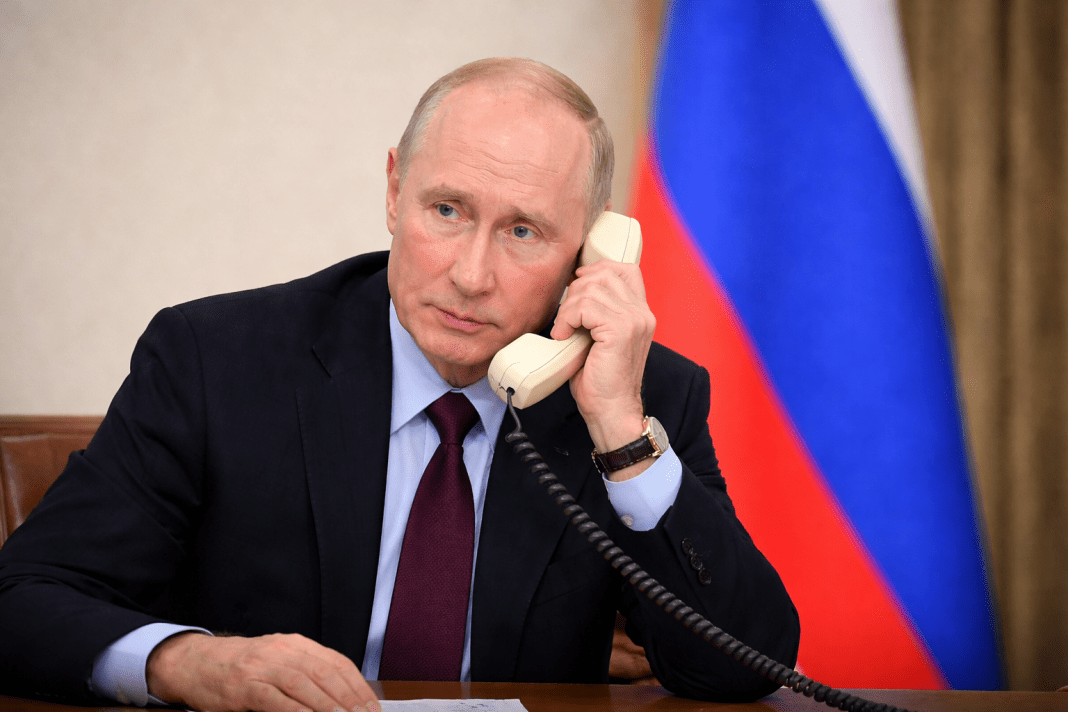

Russian President Vladimir Putin took an active role in Middle East diplomacy on January 16, holding separate telephone conversations with Israeli Prime Minister Benjamin Netanyahu and Iranian President Masoud Pezeshkian. These high-level calls positioned Moscow as a potential mediator at a time when tensions in the region are rising, with a particular focus on Iran’s internal unrest and the broader security situation.
The Kremlin confirmed that Putin devoted much of the day to discussing Iran, signaling Russia’s commitment to political and diplomatic efforts aimed at stabilizing the region. During the conversations, both Netanyahu and Pezeshkian received detailed outlines of Russia’s approach to reducing tensions and promoting constructive dialogue. This move highlights Moscow’s efforts to play a balanced role, engaging with both Israel and Iran simultaneously.
Putin Outlines Russia’s Role as a Regional Mediator
According to the Kremlin, Putin highlighted his “basic approaches to increasing political and diplomatic efforts to ensure stability and security in the region” during his call with Netanyahu. Both leaders agreed to continue discussions at multiple levels, reflecting Russia’s aim to serve as a bridge between competing regional powers.
Suspected Iranian arms cargo ship sinks in the Caspian, spotlighting a shadow war route to Russia
A Kremlin statement noted that Russia is offering assistance not only to Iran but to the entire region, demonstrating a wider commitment to regional peace and stability through careful diplomacy. Kremlin spokesman Dmitry Peskov emphasized in a briefing that Russia’s presidential activity is focused on helping de-escalate tensions in the Middle East, highlighting Moscow’s proactive approach.
Earlier, on January 15, during a ceremony for foreign ambassadors in Moscow, Putin reiterated Russia’s opposition to external interference in Iran’s internal affairs. He also underlined Moscow’s dedication to developing cooperation with Middle Eastern and North African countries based on principles of trust and partnership. This approach underscores Russia’s long-term strategy of engaging diplomatically with multiple regional players while maintaining its influence in the area.
Iran Faces Protests and Rising International Pressure
The diplomatic outreach comes as Iran faces widespread protests, drawing global attention in recent weeks. The unrest has raised security concerns for foreign diplomats, prompting several Western nations to close their missions in Tehran.
New Zealand was the latest country to shut down its embassy in the Iranian capital, following similar decisions by Britain, France, and Australia. These closures highlight the growing international concern over the safety of foreign personnel and the escalating political instability within Iran, which makes diplomatic interventions increasingly urgent.
South Africa begins naval drills with China, Russia and Iran to strengthen maritime cooperation
During his call with President Pezeshkian, Putin focused on the situation in Iran, discussing recent developments and regional security challenges. Russia’s engagement in these talks is meant to provide political and diplomatic support to reduce tensions while maintaining the long-standing relationship with Tehran. By positioning itself as a mediator, Moscow signals its willingness to act as a stabilizing influence in a region facing multiple crises.
Russia Balances Relations Between Israel and Iran
Russia has historically maintained close ties with Iran, supporting cooperation in areas like energy, trade, and security. At the same time, Moscow seeks to preserve dialogue with Israel, ensuring it can mediate conflicts and reduce regional tensions.
Prior to the recent escalation, Russia reportedly removed several staff from its embassy in Israel, reflecting caution amid the rising instability. These steps demonstrate Moscow’s careful approach, engaging both countries while avoiding actions that could worsen tensions.
Iran Sold Nearly $3 Billion in Missiles and Drones to Russia as Ukraine War Intensified
The Kremlin’s recent diplomatic efforts show Russia’s commitment to facilitating constructive dialogue among all interested parties. By explaining its proposed approaches to diplomacy in detail to both Netanyahu and Pezeshkian, Moscow emphasizes its desire to remain actively involved in the Middle East, balancing relationships with regional powers while contributing to security and stability.
Through these talks, Russia aims to maintain open channels with key players, reduce misunderstandings, and provide a platform for dialogue, demonstrating the country’s strategic intent to act as a mediator amid complex geopolitical dynamics.