
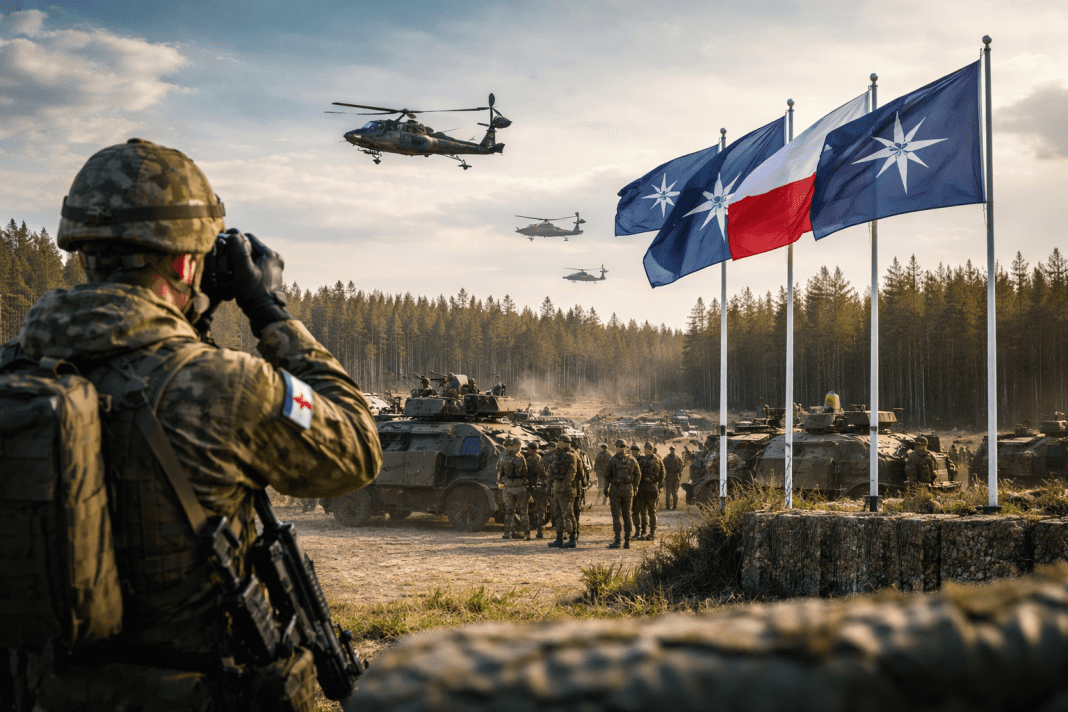

Finland has issued a stern warning about Europe’s security, emphasizing that the threat from Russia remains significant even if a peace agreement is reached in Ukraine. Finnish leaders have said that Russia is likely to redeploy its military forces toward NATO’s eastern borders, reinforcing the need for strong defenses along NATO borders once hostilities in Ukraine end.
Finland urges Europe to strengthen defenses along NATO borders amid ongoing tensions
This prospect has prompted Finland to urge other European nations to provide more funding and support for countries on the frontline, which share land or maritime borders with Russia and Belarus.
The warning highlights the delicate security situation along Europe’s eastern flank. Some nations farther from the border may mistakenly assume that a peace deal in Ukraine will reduce the threat, leading them to scale back defense spending. Finland stresses that this assumption could leave Europe vulnerable, as Russia’s military presence near NATO borders is expected to remain a significant concern.
Silent Tension in the Channel — British Navy Closely Tracks Russian Submarine in NATO Waters
Several European nations have already responded by increasing their defense budgets. Countries such as Estonia, Lithuania, and Poland plan to spend more than 5 percent of their GDP on military preparedness next year. These countries are already among Ukraine’s largest financial supporters, despite facing economic pressures of their own. Other frontline nations are also stepping up their contributions, signaling a strong commitment to maintaining stability along NATO borders.
Rising Defense Spending and Military Cooperation Along NATO Borders
Leaders from eight countries bordering Russia and Belarus are preparing to meet to coordinate their military strategies, focusing on more than just spending increases. They are prioritizing the strengthening of air defense systems, expanding drone capabilities, and modernizing land forces. These actions aim to enhance security and ensure that forces along NATO borders can respond effectively to potential threats.
The countries are also working to improve the rapid movement of troops and weaponry across the continent. They view efficient logistics and joint exercises as essential for quickly responding to any escalation near NATO borders. Finland has highlighted that the broader European Union must provide financial support to maintain readiness and deter potential Russian actions.
Trump threatens NATO with ultimatum: no unity, no sanctions on Russia
Although some European states have already allocated resources to military projects, Finland and its eastern flank neighbors are pushing EU leaders to provide additional funding. They are requesting both unused funds from existing programs and a portion of the roughly €130 billion earmarked for defense in the EU’s next budgetary period. Officials warn that without proper financing, frontline countries could become vulnerable along NATO borders.
Finland Maintains Strong Defense Measures
Despite facing a decade-long economic slump, Finland has continued to prioritize national security. The country has invested heavily in civil defense measures, including bomb shelters, reserves of critical materials, and extensive training programs for both young citizens and military personnel. These measures are designed to ensure that Finland remains fully prepared to respond to any threat from Russia near NATO borders.
Finnish leaders have also highlighted the decreasing military engagement of the United States in Europe. As American forces focus on other global security concerns, Europe will need to take a more active role in defending its eastern flank. Finnish officials warn that the continent cannot rely solely on external allies and must strengthen security along NATO borders through both cooperation and funding.
In addition, the Finnish government has called for decisive action during upcoming EU summits. Leaders will discuss key issues such as financial support for Ukraine, access to frozen Russian assets, and defense funding for member states. Finland’s message is clear: Europe must show solidarity with frontline nations and ensure that NATO borders remain secure, even as discussions about peace in Ukraine continue.
The situation underscores the ongoing challenges Europe faces in balancing economic pressures with the need to maintain strong military defenses. For Finland and its neighbors, remaining vigilant along NATO borders is essential to prevent any future escalation and maintain regional stability.