

Lebanon is taking unusually firm steps to push back against Iran’s influence, sending a clear message that the balance of power inside the country is shifting. At the same time, the fragile cease-fire with Israel and the risk of a wider war threaten to complicate Beirut’s efforts and could end up benefiting Tehran instead of weakening it.
Lebanon Tightens Its Stance Against Iran and Hezbollah
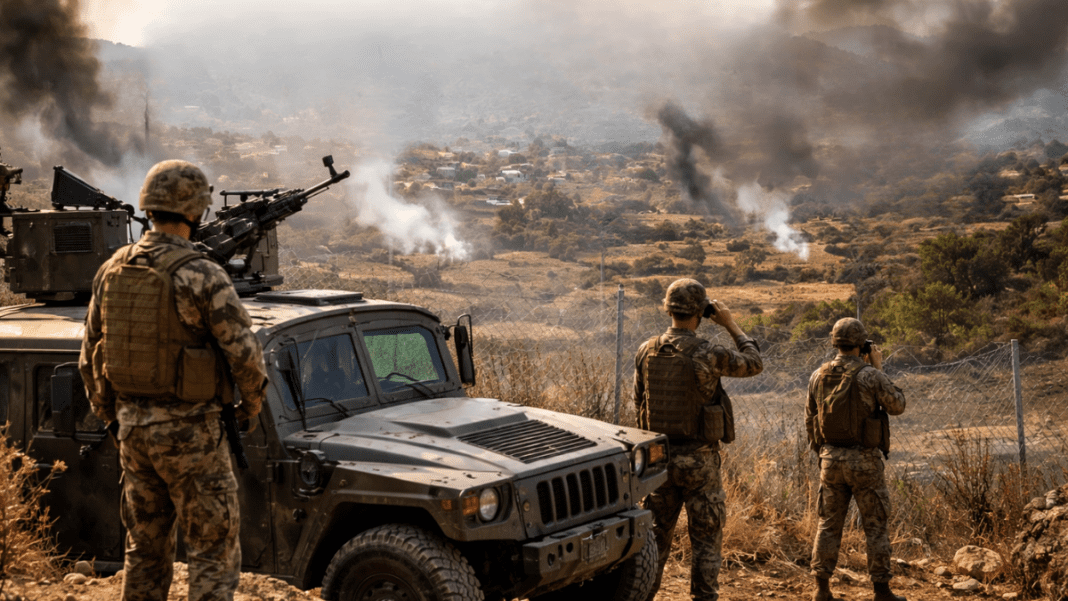
Lebanese President Joseph Aoun is trying to convince the United States and other members of the international committee overseeing the cease-fire with Israel that Lebanon is serious about restoring full state control in the country’s south. The main focus is the area south of the Litani River, where Hezbollah has long operated armed units and military facilities outside government authority.
The Lebanese army has been assigned to remove Hezbollah’s weapons and dismantle its infrastructure in this region. Officials say the task is dangerous and complex, requiring more time than originally planned. Because of this, Lebanon is seeking an extension to the end-of-year deadline set for completing the operation.
Israel carries out airstrikes in southern Lebanon killing one and wounding seven
At the same time, Lebanon’s leadership has taken a noticeably tougher diplomatic stance toward Iran, Hezbollah’s key supporter. This marks a major shift from previous years, when Beirut largely avoided direct confrontation with Tehran.
Foreign Minister Youssef Rajji recently rejected an invitation to visit Iran from his counterpart, Abbas Araghchi, signaling this change. Lebanon has also barred Iranian planes from landing at Beirut’s airport, and President Aoun refused to meet Iranian National Security Adviser Ali Larijani. Earlier this year, Aoun told Iran’s parliament speaker that Lebanon was “tired of the wars other countries wage on its soil.”
Rajji also delayed approving Iran’s new ambassador, saying Tehran has played a “very negative role” in Lebanon. He said dialogue is possible only if Iran stops interfering in Lebanese affairs and supporting armed groups outside state control.
Iran Pushes Back as Diplomatic Tensions Rise
Iran has firmly rejected accusations of interfering in Lebanon’s internal affairs, saying it was surprised by media reports that cited “official Lebanese sources.” Those reports said senior Iranian officials frequently visited Lebanon without notice and met directly with Hezbollah leaders, behaving as if Iran held influence over the country.
The same sources said Iranian officials sometimes met Lebanon’s formal leadership, but many Lebanese officials viewed these meetings as symbolic. They believe Iranian officials used them to provide cover for more important discussions with Hezbollah and allied groups operating outside state control.
Public comments by senior Iranian figures have added to the tension. Ali Shamkhani, a close adviser to Iran’s supreme leader, said efforts to disarm Hezbollah would fail because its weapons “belong to the Lebanese people” for their defense. Another adviser, Ali Akbar Velayati, went further, claiming Hezbollah mattered more to the Lebanese people than “bread and water.”
Israel’s Controversial Move: Captured Russian Weapons from Lebanon May Go to Ukraine
Lebanese leaders reacted angrily, viewing these remarks as direct challenges to national sovereignty. Beirut wants Tehran to recognize that the situation has changed and that Hezbollah can no longer act as a parallel authority within the state.
Iran has made clear it will continue supporting Hezbollah as part of its “Axis of Resistance” against Israel. For Lebanon, the dispute goes beyond weapons, reflecting a broader effort to limit Iran’s influence over national policy and prevent the country from being used as a regional battleground.
Regional Pressures and the Risk of War With Israel
Israel has warned that it could launch a large-scale military operation in Lebanon if Hezbollah does not fully disarm, making the situation far more fragile. While Israel intends these threats to pressure Beirut and Hezbollah, they could end up serving Iran’s interests rather than weakening them.
A full-scale war would remove Iran’s difficult balancing act. It would no longer need to adjust to Lebanon’s tougher stance while trying to preserve Hezbollah’s power. Conflict could allow Tehran to rally support around Hezbollah, justify continued involvement in Lebanon, and shift attention away from growing pressure on the group to disarm.
Media reports suggesting Iran may be considering changes within Hezbollah’s leadership, including the possible replacement of Secretary-General Naim Qassem, add to this picture. Although the credibility of these reports is unclear, their appearance signals concern in Tehran about losing influence in Lebanon.
These worries come at a challenging moment for Iran. Regionally, it has suffered major setbacks, including its effective ouster from Syria and rising criticism in Iraq over its political role. The fall of Syria’s Assad regime last December and the recent Iranian-Israeli conflict, which involved U.S. strikes on Iranian nuclear facilities, have further weakened Iran’s position.
Hezbollah seeks to restore relations with Saudi Arabia amid escalating strikes in Lebanon
At home, Iran is facing serious economic and social strain. A severe drought has drained water reserves, the national currency has plunged to record lows, and fuel prices have risen despite fears of public unrest. Support from Russia and China has also fallen short of expectations.
Despite improved ties with Gulf states, deep mistrust remains. As Beirut awaits another possible visit by Iran’s foreign minister, Lebanon is asserting itself more clearly, even as the risk of war threatens to upend the situation.