
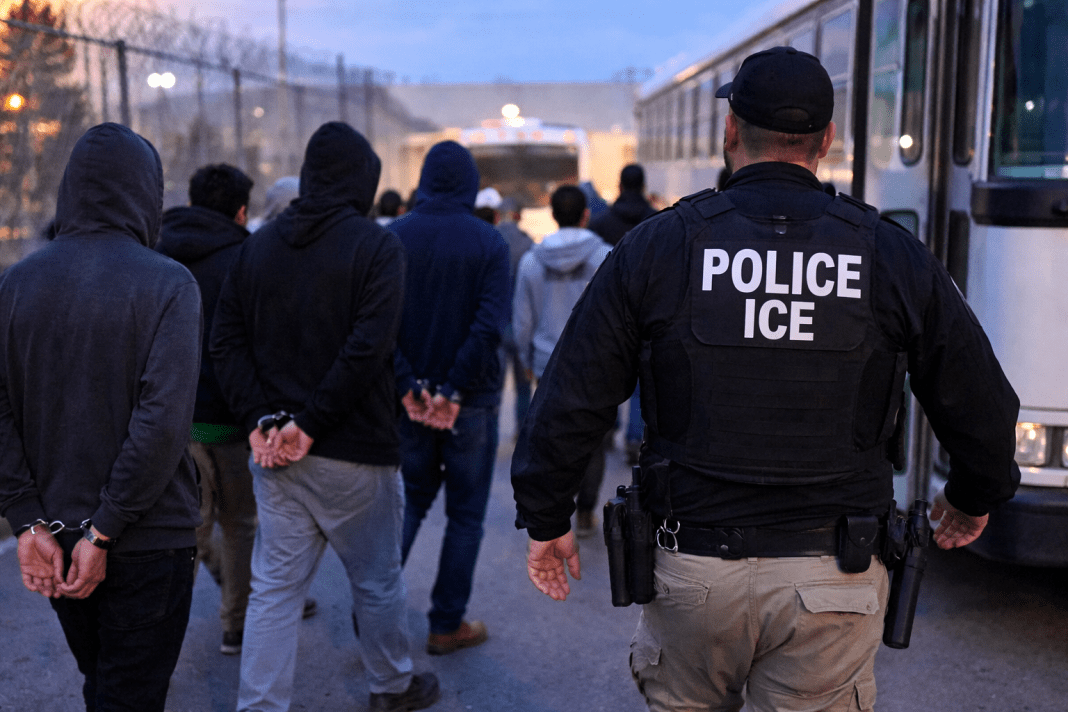

Federal immigration enforcement is back in focus as new ICE data reveals what happened to nearly 1,600 people arrested during the Chicago raids this fall. The records show that arrests rose quickly and that detainees were moved through a large network of facilities across the country, often leaving families with little information about where their loved ones were taken.
Chicago Raids Drove the Sharpest Rise in ICE Arrests
Illinois recorded the largest spike in immigration arrests of any state following the start of the Chicago raids. ICE data shows arrests in Illinois jumped by more than 500 percent in the first weeks of the operation compared with the weeks before it began. No other state saw growth at that level during the same timeframe.
During the Chicago raids, federal agents carried out arrests in neighborhoods, near schools, and close to child care centers. These actions caused fear and confusion across communities. Residents responded by warning neighbors, escorting children to school, and organizing local support networks.
Chicago immigration flashpoint intensifies—21 detained as faith leaders defy enforcement tactics
Most people arrested during the Chicago raids were first taken to a processing facility located in a suburb west of the city. This site served as the main entry point before detainees were transferred elsewhere. Complaints about crowding and lack of basic care later led a federal judge to order improvements, including access to beds, hygiene items, medication, meals, and phone calls.
The ICE data shows that many people arrested during the Chicago raids were not held for long at this first location. Instead, they were quickly moved into the national detention system, often far from Illinois.
From Chicago Raids to a Nationwide Detention Network
After initial booking, people arrested during the Chicago raids were transferred to detention facilities in 13 different states. These locations included county jails, privately operated detention centers, and newly built facilities on military bases. Transfers often happened with little notice, making it difficult for families to locate detainees.
The most common destination for people arrested in the Chicago raids was a large detention center in rural Michigan. ICE held hundreds of people at the facility within weeks of the operation. The site had previously functioned as a federal prison, and authorities reopened it to house immigration detainees, making it the largest detention center in the Midwest.
4 Indian Nationals Exploit U-Visa Loopholes in Chicago
Detainees reported cold temperatures, delayed meals, limited medical care, and restricted access to legal support inside the facility. People held at other detention sites during the operation raised similar complaints.
ICE transferred some detainees to facilities in Texas, including centers that detain families with children. Testimonies and legal filings described poor food quality, unsanitary conditions, and limited educational activities for children, prompting concerns about how authorities treated families during the enforcement action.
Indiana also emerged as a major holding area. Because Illinois law limits the use of local jails for immigration detention, ICE relied heavily on county jails in Indiana. These facilities held hundreds of people arrested during the Chicago raids, where detainees reported overcrowding and shortages of hygiene supplies.
Conditions, Transfers, and Pressure to Leave
The ICE data shows that detention after the Chicago raids was often long and unpredictable. Many people were moved several times between facilities, sometimes across different states. These frequent transfers increased stress and made it harder for families and lawyers to stay in contact.
Several detention centers used after the Chicago raids have faced complaints for failing to meet ICE standards. One major example was a large tent-based facility on a military base in Texas. Inspections and detainee accounts described poor sanitation, limited medical care, and shortages of food.
More than 50 people arrested during the Chicago raids were held at this site before being deported, while many others remained there weeks later. By late November, the facility was holding thousands of detainees.
Advocacy groups say harsh conditions and long detention periods after the Chicago raids pushed some people to sign voluntary departure agreements. These agreements allow detainees to leave the U.S. without fully fighting their cases, often due to fear or exhaustion.
Legal challenges have also emerged over arrests made during the Chicago raids without proper warrants. While courts allow individual reviews, many detainees remain in custody as cases continue.