
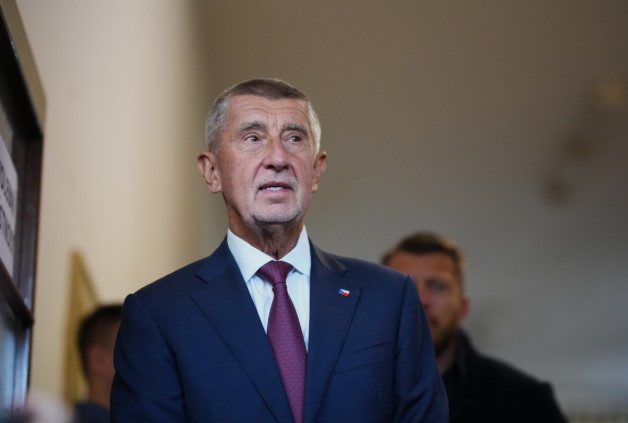

Czech politics saw a major shift this week as President Petr Pavel appointed Andrej Babis as the new prime minister in a ceremony broadcast live on national television. Babis, the billionaire leader of the populist ANO party, returns to power four years after leaving office, following ANO’s strong win in the October 3–4 parliamentary elections. With his appointment, he now begins forming a new government, with his full cabinet expected to be approved later this month, officially replacing the outgoing centre-right coalition.
Babis Returns to Power After Shifting His Political Path
Andrej Babis, now 71 years old, has been a central figure in Czech politics for more than a decade. However, his political direction has changed noticeably in recent years.
While Babis once positioned himself closer to the political centre, he shifted during his time in opposition. Over the past four years, he aligned more closely with right-wing groups in Europe. This included joining Patriots for Europe, a political alliance in the European Parliament associated with fringe right movements.
This political shift has been discussed widely across the Czech Republic because it could influence the country’s future policies, especially in areas such as relations with the European Union, responses to the war in Ukraine, and climate initiatives.
The new cabinet Babis plans to form reflects this shift. It will include:
- SPD – a far-right, anti-EU, and pro-Russian party
- Motorists for Themselves – a party known for strongly opposing EU climate regulations
Both coalition partners have drawn significant attention and concern among Czech citizens, European leaders, and political analysts.
New Government Raises Questions About Support for Ukraine
One of the biggest areas of uncertainty is the country’s future stance on military support for Ukraine.
Babis has stated that he wants to reduce national budget spending on military aid sent to Ukraine. He has also raised doubts about continuing the Czech-led ammunition initiative—a major program that helps purchase large-calibre ammunition for Ukraine from suppliers around the world.
This ammunition scheme has been one of the Czech Republic’s most important contributions to supporting Ukraine during the ongoing conflict with Russia. The initiative has also received strong backing from President Petr Pavel, who has openly supported continued assistance to Ukraine.
Czech Academics Face Dangerous Espionage Threat from China
Babis has claimed the program lacks transparency and is too expensive. However, he has not yet provided a final decision on whether his government will stop or modify the program. This has created debate across the country, especially among citizens who worry about the impact on Czechia’s international relationships.
Even though Babis and President Pavel come from different political backgrounds, the president moved forward with appointing him as prime minister. According to Czech law, the president must appoint the prime minister who is able to form a functioning government based on election results.
Conflict-of-Interest Concerns Addressed Before Appointment
Before appointing Babis, President Pavel needed clarity on a major issue—Babis’s business empire. Babis owns Agrofert, a massive conglomerate with more than 200 companies involved in farming, chemicals, food production, media, and more.
Agrofert has long been at the centre of controversy. Critics claim that Babis’s political decisions could influence Agrofert’s profits, especially when it comes to EU subsidies and state regulations. This raised concerns about a conflict of interest.
To address this, Babis announced last week that he would move Agrofert into a trust structure, similar to what he did during his earlier time in office. This move was seen as necessary to follow Czech laws and EU standards.
From Newsroom to Spy: Czech Republic Exposes Russian Agent Natalia Sudliankova in Spy Purge
After receiving this assurance, President Pavel proceeded with the appointment, allowing the political transition to move forward.
With Andrej Babis back in power, the Czech Republic enters a new chapter in its political landscape. His return marks a significant moment, not only for Czech voters but also for Europe, where his leadership decisions—including those involving Ukraine, EU relations, and climate policies—will be closely watched in the weeks ahead.