
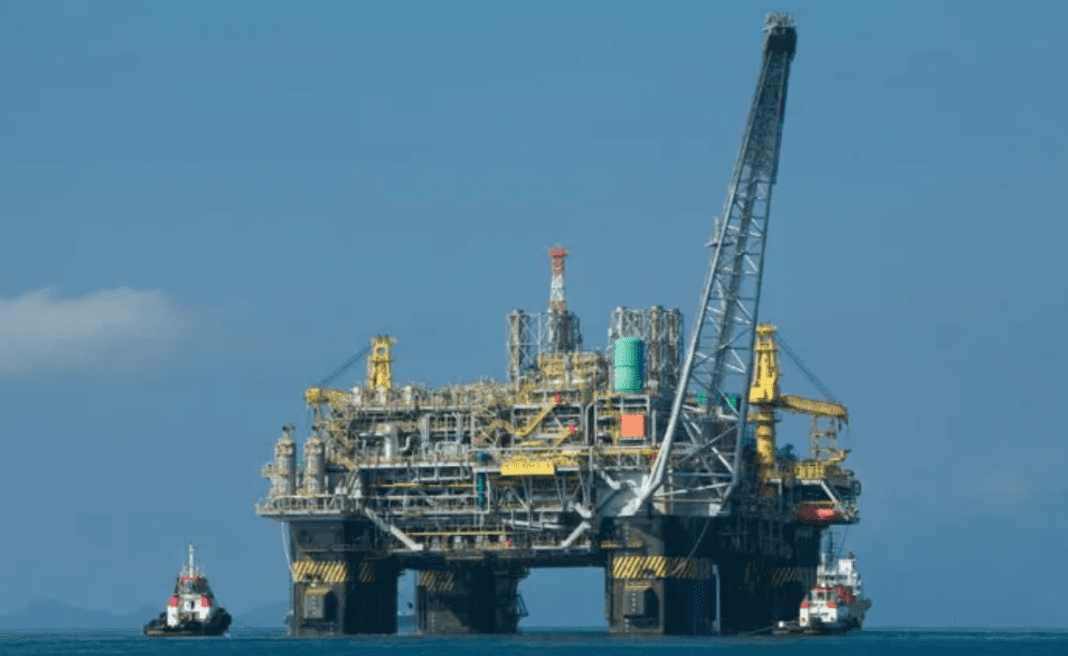

A key decision by the administration of Donald Trump has reignited debate over energy and environmental priorities in the Gulf of Mexico. By granting an exemption under the Endangered Species Act, officials have allowed expanded oil drilling despite concerns about endangered marine life, drawing strong reactions from both industry and environmental groups.
A Major Policy Shift in the Gulf of Mexico
In a controversial move, officials from the administration of Donald Trump approved an exemption allowing oil and gas drilling in the Gulf of Mexico to bypass protections under the Endangered Species Act. The decision came from the Endangered Species Committee, often called the “God Squad” because it can permit projects that may harm protected species. The panel had not met for over three decades.
The meeting took place as global oil markets face pressure linked to tensions involving Iran. Rising fuel prices and supply concerns have pushed U.S. officials to focus on boosting domestic energy production, especially from key regions like the Gulf.
How cartels are turning red snapper into a profitable commodity in the Gulf of Mexico
During the discussion, Defense Secretary Pete Hegseth said legal challenges from environmental groups were delaying projects. He warned this could weaken energy security during conflict and stressed the need for stronger domestic oil output.
Environmental Concerns and Legal Challenges
While the decision supports energy production, it has triggered strong concern among environmentalists. Critics warn that the exemption could threaten several marine species, especially the rare Rice’s whale, which lives only in the Gulf of Mexico. Scientists estimate that only about 50 individuals remain, making the species extremely vulnerable to disturbances.
Experts caution that even small disruptions—such as noise from drilling operations, increased ship traffic, or the risk of oil spills—could push the whale closer to extinction. Environmental lawyer Patrick Parenteau criticized the move, saying that if the species disappears, it would mark an unprecedented environmental loss.
China warns Mexico over new foreign investment checks, launches trade probe
Legal action has already been initiated. The Center for Biological Diversity has urged Rudolph Contreras to cancel the exemption, although the judge declined to block the committee from meeting. Meanwhile, Andrew Bowman argued that oil production has continued in the Gulf despite existing protections.
Scientists also highlight broader risks to marine ecosystems. Oil drilling can harm wildlife through ship collisions, pollution, and underwater noise. Past disasters like the Deepwater Horizon oil spill show long-term impacts, with some species, including the Rice’s whale, still struggling to recover.
Energy Priorities and Industry Impact
The decision reflects a broader shift in U.S. energy policy under Donald Trump, with a clear focus on increasing fossil fuel production and rolling back environmental regulations. This approach stands in contrast to the policies of former President Joe Biden, who had aimed to restrict offshore drilling in several coastal areas due to rising climate concerns.
The Gulf of Mexico continues to play a crucial role in the country’s energy sector. It produces nearly 2 million barrels of oil each day, which accounts for about 15% of the total U.S. oil output. Due to this significant contribution, industry groups have strongly supported the exemption, viewing it as essential for maintaining energy supply and stability.
Erik Milito from the National Ocean Industries Association stated that repeated legal challenges by environmental organizations have delayed key energy projects. He argued that the exemption could help streamline approvals and reduce such delays, allowing companies to move forward more efficiently.
Mexico’s navy launches a major search for two sailboats carrying humanitarian aid to Cuba
Although the decision may make it easier to start new drilling projects, experts caution that it will not lead to an immediate drop in fuel prices. Oil exploration and production require years of planning, investment, and development before any output reaches the market.
The move, supported by officials including Doug Burgum, is also notable because it uses national security as a justification under the Endangered Species Act. This rare use continues to face criticism and legal challenges from environmental groups.