
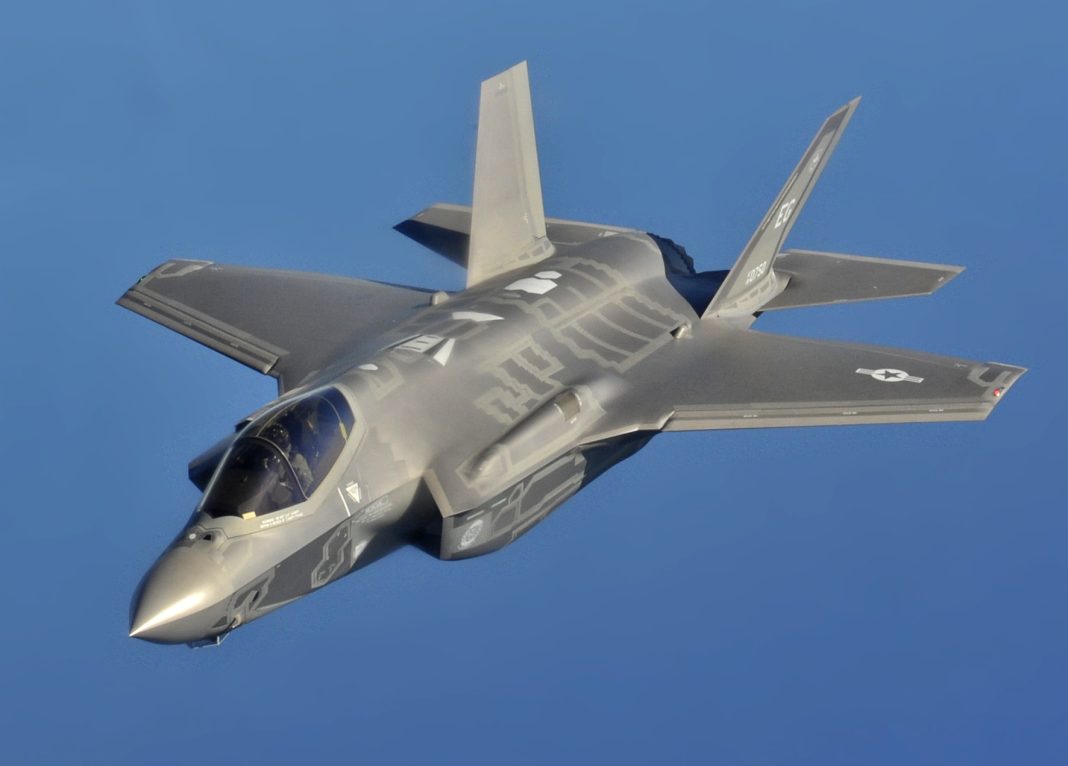

Denmark will send four F-35 fighter jets to support NATO’s Arctic Sentry mission. The move strengthens NATO’s presence in the Arctic and North Atlantic. It adds advanced aircraft for air patrols and cooperation among allied countries. The goal is to better monitor airspace and improve safety in a region of growing strategic importance.
What the Arctic Sentry Mission Is About
The Arctic Sentry mission aims to strengthen NATO’s presence in the Arctic. Specifically, it focuses on monitoring airspace, sharing information among allies, and showing commitment to protecting northern territories. Importantly, the mission does not change borders or laws but helps countries stay alert in a region with harsh weather and long distances.
Furthermore, the Arctic is gaining importance as melting ice opens new sea and air routes, making travel between continents faster. The region is also near NATO members like Denmark, which oversees areas linked to Greenland and the Faroe Islands. As a result, Denmark plays a key role in Arctic security planning within the alliance.
F-35 fallout, sanctions, and a possible reset explain why U.S.–Türkiye ties are shifting again
Additionally, NATO says Arctic Sentry helps maintain peace and stability through patrols and better coordination, reducing confusion and tensions. Moreover, several allies are expected to contribute to the mission, and Denmark’s F-35 fighter jets are among the most advanced assets supporting monitoring and protection in this strategically important region.
Why the F-35 Fighter Jets Matter
The F-35 is a modern fighter jet designed to handle many tasks at once. It can fly long distances, gather detailed information, and share that data with other allied forces. This makes it useful for missions like Arctic Sentry, where clear communication and awareness are essential.
Operating in the Arctic is challenging. Extreme cold, strong winds, and limited daylight can affect equipment and crews. The F-35 is built to work in tough environments, making it suitable for northern missions. Its sensors can detect objects at long ranges, helping pilots understand what is happening around them even in poor weather.
By providing four F-35 jets, Denmark is adding a strong and visible capability to NATO’s mission. The aircraft can patrol large areas and respond quickly if needed. They also work well with other NATO systems, which helps different countries coordinate their efforts.
Britain strengthens Arctic deterrence with massive Norway troop surge
The presence of these jets sends a clear message about cooperation within NATO. It shows that member countries are willing to share resources and support common goals. In the Arctic, where distances are vast and response times can be long, having advanced aircraft ready for patrol improves overall awareness.
The decision also highlights Denmark’s role as an active NATO ally in the Arctic and North Atlantic. With responsibilities tied to Arctic territories, Denmark’s involvement is seen as a practical step to support regional security efforts.
International Context and Allied Contributions
The Arctic Sentry mission comes at a time when the Arctic’s future is being widely discussed. Interest in the region is growing because of its natural resources and its strategic location between North America and Europe. NATO says the mission is meant to strengthen presence and understanding, not to raise tensions.
Alongside Denmark’s move, the United States is also expected to support the NATO mission. The country has long experience operating in the Arctic and works closely with other NATO members. Its involvement would add more strength and coordination to the effort.
F-35 deal under scrutiny as Canada eyes Gripen for Arctic and NORAD missions
The announcement was made ahead of the Munich Security Conference, where global security issues are discussed. Arctic security has become a topic of growing interest at such meetings as attention on the region increases.
NATO has stressed that Arctic Sentry focuses on visibility and cooperation. By sharing information and maintaining a steady presence, the alliance aims to reduce misunderstandings and improve safety in the challenging Arctic environment.