
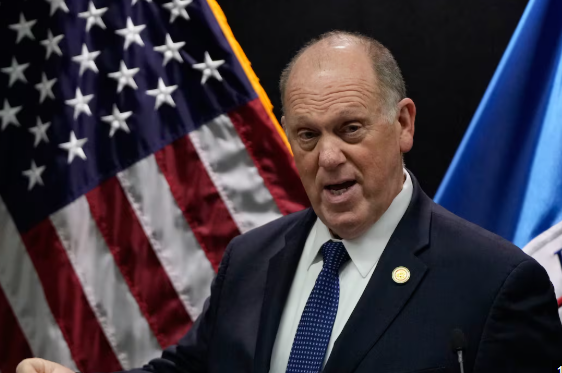

White House border czar Tom Homan announced on January 29, 2026 that the federal government is planning to reduce the number of immigration agents — including officers from U.S. Immigration and Customs Enforcement (ICE) and Border Patrol — currently deployed in Minnesota. This plan is sometimes called a “drawdown” because it means gradually pulling some immigration agents out of the state.
Federal Shift: Trim Down ICE, Border Patrol and Immigration Agents
Homan said that the reduction of immigration agents is not happening immediately and will only occur if state and local officials work with federal authorities. He stressed that this cooperation is needed to make enforcement safer and more efficient before fewer immigration agents are required on the streets.
Officials in Minnesota — including Governor Tim Walz, Attorney General Keith Ellison, and Minneapolis Mayor Jacob Frey — have had meetings with Homan about these plans involving federal immigration agents. Local leaders want to ensure public safety and protect community rights before agreeing to anything related to the presence of immigration agents.
ICE accused of leaving ‘ace of spades’ intimidation cards after detaining Latino workers
Homan also made it clear that the federal government is not abandoning its immigration enforcement mission. He said immigration agents will continue efforts to remove people who are in the United States illegally, especially those who have committed crimes.
Why This Plan Is Happening Right Now
The plan to reduce immigration agents in Minnesota comes after several intense and controversial events in recent weeks that brought national attention to federal enforcement actions.
Large federal deployment: In late 2025 and early 2026, the U.S. government launched one of the largest immigration enforcement operations in the region, known as Operation Metro Surge. The effort increased the federal presence in the Minneapolis–St. Paul area from about 80 officers to nearly 3,000 personnel, including ICE and Border Patrol officers.
Fatal shootings: The expanded presence of immigration agents led to deadly encounters. Two U.S. citizens — Alex Pretti and Renée Good, both 37 — were shot and killed during federal immigration enforcement actions in Minneapolis earlier in January 2026. These incidents involving immigration agents triggered strong public outrage, protests, and legal challenges.
Public protests and backlash: The deaths sparked widespread protests across Minnesota, including demonstrations and a general strike. Many community groups, activists, and some political leaders criticized how immigration agents conducted operations and called for changes in federal enforcement tactics.
Together, these events increased pressure on federal and state officials to rethink how immigration agents operate in Minnesota.
What Homan Said About Immigration Agents and Conditions for Drawdown
At a press conference in Minneapolis, Tom Homan outlined several conditions that would affect whether the federal enforcement presence in Minnesota would be reduced.
Cooperation is crucial: Homan said that cutting back the deployment depends heavily on cooperation from state and local authorities. This includes allowing federal officers access to county jails so they can take custody of individuals flagged for removal.
He explained that when local officials share information and provide access to detainees, immigration authorities would need fewer personnel to conduct enforcement in neighborhoods.
Fear spreads in Maine as ICE arrests more than 200 people in sweeping enforcement surge
Targeted enforcement: Homan said the focus would shift to targeted operations. This means federal officers will prioritize people considered public safety threats or those with criminal records, rather than broad sweeps.
Acknowledgement of imperfections: Homan admitted that recent operations have not always been perfect. He said mistakes have occurred but insisted internal reviews and adjustments are underway. Despite this, he emphasized that the overall federal mission remains unchanged.
Protester interference: Homan warned that attacks on enforcement personnel or interference with federal operations could delay any drawdown. He said there is zero tolerance for violence against officers — and that such actions could keep more federal forces deployed longer.
Homan did not provide a specific timeline for when federal personnel might begin leaving Minnesota. He said he would remain in the state “until the problem’s gone,” signaling continued federal involvement.
What Local Leaders Have Said
Minnesota leaders responded cautiously to the statements about federal immigration enforcement.
Virginia hospital fires nurse after anesthetist suggests drugging and sabotaging ICE agents
- Attorney General Keith Ellison said he did not agree to any formal arrangement with Homan and called for transparent investigations into the shootings involving federal officers.
- Minneapolis Mayor Jacob Frey described the talks as productive but said meaningful changes must follow. He stressed that enforcement actions must respect state laws and community safety.
Local officials continue to push for limits on how federal immigration enforcement operates while demanding accountability and clarity from Washington.