
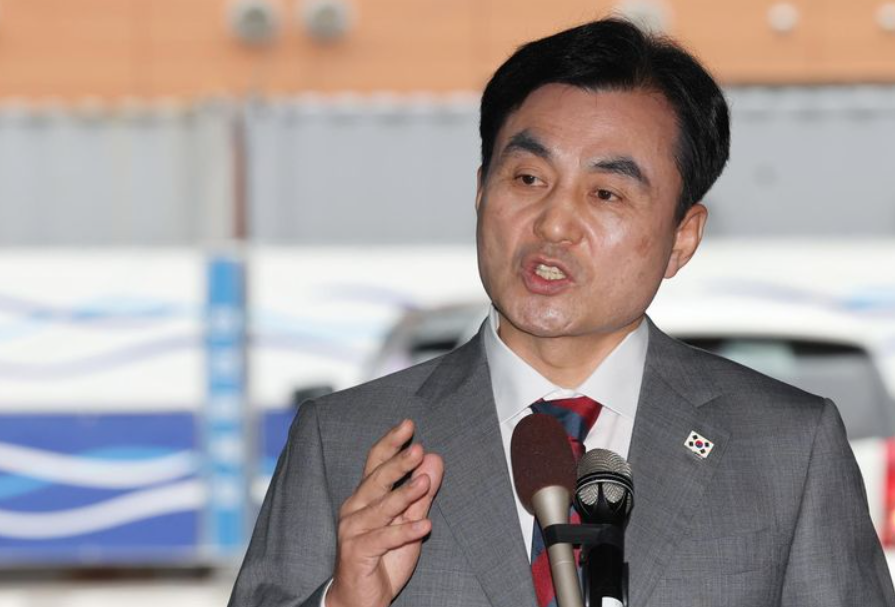

South Korea’s Defense Minister Ahn Gyu-back met US senators Jeanne Shaheen, Jacky Rosen, Thomas Tillis, and John Curtis in Seoul. They discussed defense cooperation. The talks included plans for nuclear-powered submarines. Both sides reaffirmed strong bipartisan support. They also emphasized the importance of their long-standing alliance and regional security.
Ahn Gyu-back Emphasizes Strengthening a Long-Standing Alliance
During the meeting, Ahn Gyu-back expressed appreciation to US lawmakers for their consistent support toward South Korea’s defense and security efforts. He emphasized that strong bipartisan backing from Washington is essential for maintaining stability on the Korean Peninsula and in the wider region, especially as security challenges continue to evolve.
Ahn noted that the alliance should move forward in a “future-oriented and mutually beneficial” direction. This reflects a shared intention to strengthen cooperation not only in defense but also in technology, policy, and strategic planning beyond immediate concerns.
US pulls key missile defenses from South Korea as interceptor stockpiles face growing pressure
The US senators described the alliance as one of the most successful partnerships of the past 70 years and reaffirmed their commitment to keeping it strong. They highlighted the importance of trust and coordination between both nations.
Both sides agreed that cooperation must continue at multiple levels, including government institutions and legislative bodies, to effectively address growing global and regional security challenges.
Focus on Nuclear-Powered Submarine Plan
A major topic in the discussion was South Korea’s plan to acquire nuclear-powered submarines, a move seen as an important step in strengthening its naval capabilities. Unlike conventional submarines, these vessels can remain underwater for much longer periods and travel greater distances without needing to surface. This makes them highly effective for surveillance, deterrence, and long-range operations, especially in regions with rising security concerns.
The issue has been under discussion for some time. It was first raised during the Asia-Pacific Economic Cooperation meetings and later became part of high-level talks between the leaders of South Korea and the United States at a summit held in October last year. These discussions laid the groundwork for more detailed cooperation on the project.
South Korea targets Canada’s $60 trillion submarine deal with sweeping industrial and energy offer
Following these engagements, South Korea established an interagency task force that includes officials from both its Foreign and Defense ministries. This group is responsible for studying the feasibility of the submarine program and coordinating closely with US counterparts on technical and policy matters.
Key issues being discussed include securing a stable supply of nuclear fuel and ensuring that the program aligns with international nuclear regulations. During the meeting, Ahn Gyu-back also sought strong support from the US Congress to help move the project forward.
Broader Defense Cooperation and Legislative Role
The meeting also covered deeper cooperation in shipbuilding and maintenance, repair, and overhaul (MRO), which are essential for keeping naval forces strong and ready. Defense Minister Ahn Gyu-back highlighted that expanding collaboration in these areas could bring meaningful advantages to both South Korea and the United States.
He pointed out that South Korea has built a global reputation for its efficient and advanced shipbuilding industry. Its ability to design and construct modern naval vessels at a faster pace could support ongoing efforts in the United States to strengthen its own shipbuilding capacity. This cooperation could help address production delays and improve overall efficiency in maintaining naval fleets.
South Korea moves toward nuclear-powered submarines as defense ministry seeks special law
In addition, closer coordination in MRO activities would ensure that ships remain in good condition and are ready for deployment when needed. Faster repairs, regular upgrades, and shared technical expertise can significantly enhance operational readiness and reduce downtime for both navies.
Officials from both sides stressed that strong legislative support is necessary to turn these plans into reality. Lawmakers play a key role in approving budgets, shaping defense policies, and ensuring that agreements move forward without delays.
Later in the day, Vice Defense Minister Lee Doo-hee met with a separate group of US House lawmakers, continuing discussions on expanding defense and industrial cooperation.