
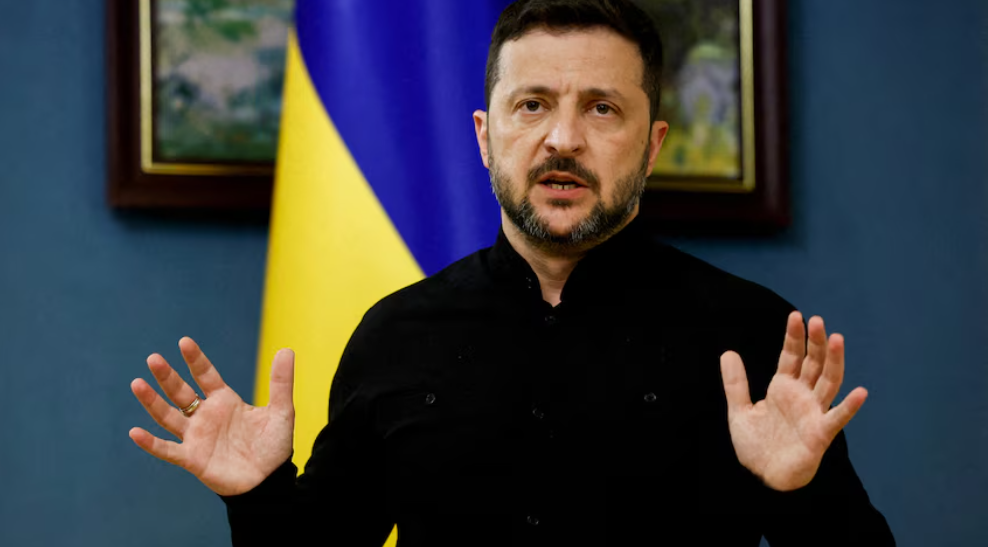

Intensified aerial attacks have increased pressure on cities and defense systems, causing damage and civilian harm across several regions. In response, authorities are introducing new agreements and support measures to strengthen air defense, including IRIS-T systems, and to improve protection through better missile supplies and systems.
Deadly wave of combined strikes across multiple cities
A series of intense attacks has struck multiple regions, causing destruction across several cities and leaving civilians affected in different areas. The strikes involved combined use of missiles and other aerial weapons, targeting both major cities and smaller settlements, resulting in widespread damage, fear, and disruption in daily life.
In Dnipro, a missile hit residential areas, killing several people and causing heavy destruction. Emergency teams quickly arrived to carry out rescue operations and provide medical aid. In Cherkasy, an eight-year-old child lost their life during the attack, adding to the deep human tragedy caused by the strikes.
Other areas, including Kharkiv, Kryvyi Rih, Chernihiv, parts of the Donetsk region, and Zaporizhzhia, were also targeted. In Zaporizhzhia, a strike near a bus stop killed a civilian. The repeated use of combined strike tactics has made it harder to defend against attacks and has increased pressure on air defense systems.
New PAC-2 and IRIS-T air defense agreements strengthen protection
Authorities have secured new agreements to strengthen air defense systems in response to ongoing attacks and rising security challenges. These measures aim to improve protection for cities, civilians, and critical infrastructure.
The agreement includes the supply of PAC-2 missiles, which work with Patriot air defense systems. These interceptors destroy incoming aerial threats, including ballistic missiles, before they reach their targets. The plan aims to increase the availability of these missiles to ensure stronger and more reliable air defense coverage.
Officials have also arranged new launchers for IRIS-T air defense systems. IRIS-T systems defend against aircraft, missiles, and drones at shorter ranges, and the additional launchers will expand their operational reach and improve protection across more regions.
Ukraine air defense shoots down more than 2,300 drones and missiles during a month of heavy strikes
Support from European partners has also increased, with Germany and Norway contributing additional resources to a joint program aimed at strengthening air defense capabilities. A coordination system known as PURL is also helping organize the supply of anti-ballistic missile support and related equipment.
Along with missile deliveries, there are ongoing efforts to improve overall defense infrastructure, including better coordination between partner countries and more stable supply chains. These combined steps are intended to increase the number of available interceptors and improve readiness against continuous aerial threats.
Daily missile demand and expanding defense cooperation efforts
The ongoing situation has created a constant demand for air defense missiles, and officials stress that forces need supplies every day due to continuous attacks. Air defense systems rely heavily on interceptor missiles to stop incoming threats, and without a steady flow of these weapons, protecting cities becomes much more difficult. This has made international cooperation and new agreements a top priority.
Along with immediate deliveries, authorities are also expanding joint defense production with European partners. The aim is to increase manufacturing capacity for air defense systems, missiles, and related equipment so that supply can better meet rising needs. This cooperation also includes exploring joint production of drones, which now play a major role in modern warfare for both attack and defense.
There is also a growing focus on strengthening long-range defense systems and improving domestic capabilities by combining local resources with international support. This helps create a more layered and responsive defense network capable of handling multiple types of aerial threats at the same time.
Repeated combined strikes have increased the pressure on air defense systems protecting cities, transport hubs, and critical infrastructure. In response, new supplies of PAC-2 missiles and IRIS-T launchers are being integrated into existing systems to improve interception rates and expand coverage. Continued cooperation between partner countries aims to ensure stable supplies and uninterrupted operational readiness.