
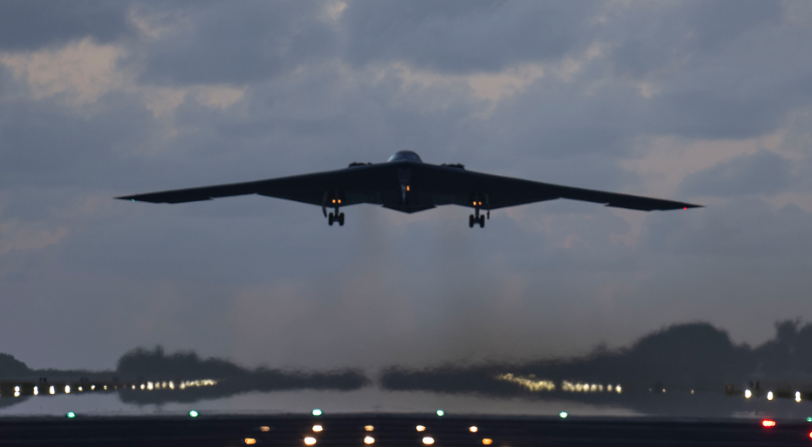

A major military operation has drawn global attention after revealing the scale and reach of long-distance air strikes carried out by the United States. The operation, known as “Epic Fury,” involved powerful bomber aircraft flying directly from the US to Iran and back, staying in the air for more than 30 hours at a time. These missions highlight not only advanced technology but also the level of planning and coordination required to carry out such complex strikes across vast distances.
Epic Fury Highlights Massive Reach of Long-Distance Bombing Missions
During a recent military operation known as “Epic Fury,” American bombers carried out a series of extremely long and complex missions targeting military sites in Iran. One of the most striking details from the operation is that 18 bomber missions involved round-trip flights directly from the United States. Each of these missions lasted more than 30 hours, showing the remarkable endurance of both the aircraft and the crews.
These flights were not short or simple. The bombers took off from bases in the United States, traveled thousands of kilometers across oceans, completed their strikes, and then returned home without landing in between. This kind of mission requires careful planning, advanced technology, and constant coordination.
The 14-day ultimatum: What Donald Trump’s latest speech means for the Iran conflict
Such long-duration flights are rare in modern warfare. Staying in the air for over a full day means the crews must manage fatigue, monitor systems continuously, and rely heavily on support aircraft. These missions highlight how far modern military aviation has come in terms of range and capability.
Mid-Air Refueling and Advanced Aircraft Made It Possible
A key factor that made these missions possible was mid-air refueling. Special tanker aircraft met the bombers in the sky and refueled them while they were still flying. This allowed the bombers to stay in the air for extended periods without needing to land.
The bombers used in these missions are among the most advanced in the world. Stealth bombers, in particular, are designed to avoid radar detection, making them effective for striking heavily defended targets. These aircraft can carry powerful weapons and fly long distances without being easily tracked.
Iran’s main oil export hub on Kharg Island hit by multiple strikes as tensions peak
In addition to the missions flown from the United States, other bombers took off from bases in Europe. These aircraft supported the operation by carrying out additional strikes. Together, these missions formed a large and coordinated air campaign.
The operation also relied on a wide network of support teams. Ground crews prepared the aircraft before takeoff, while logistics teams ensured that everything from fuel to equipment was ready. This behind-the-scenes effort played a major role in making the long missions successful.
Thousands of Targets Hit During Five-Week Campaign
The bombing missions were part of a large-scale military campaign called Epic Fury, which lasted for about five weeks. During this period, more than 13,000 targets across Iran were struck, showing how extensive and intense the operation was. The high number of targets highlights the level of planning and resources involved in carrying out such a wide campaign.
The targets included important military sites such as air defense systems, missile storage facilities, drone bases, naval assets, and weapons production centers. These locations were considered critical for military operations. Officials reported that a significant number of these sites were destroyed during Epic Fury, reducing operational capabilities in several areas.
B-1B Lancer bombers strike deep inside Iran in long-range missile operation
The scale of Epic Fury required strong coordination and precise execution. Thousands of strikes over several weeks meant that aircraft schedules had to be managed carefully. Flight paths needed to be secured, and each target had to be clearly identified before any mission was carried out.
Even after a ceasefire was announced, tensions in the region remained high. Some reports suggested that limited strikes continued briefly. At the same time, Gulf countries reported missile and drone activity, showing that the situation remained unstable and complex across different regions.