

Ukraine’s air defense system saw a sharp rise in activity during March. More than 2,300 Russian aerial targets were intercepted. This marks a significant increase compared to February. The rise reflects intensified drone and missile attacks. It also shows a stronger and more coordinated response. Multiple defense units operated across the country.
Massive Increase in Aerial Interceptions in March
Ukraine’s air defense system saw a sharp rise in activity during March, with more than 2,300 Russian aerial targets destroyed. These included drones and other airborne weapons used in repeated attacks. Official military updates show this is about a 55% increase compared to February, highlighting a significant escalation in aerial operations.
Attacks continued throughout the month without slowing down, keeping air defense units active day and night. The steady rise in intercepted targets reflects both the growing scale and frequency of drone and missile launches.
Ukraine faces Power Crisis as Russian attacks trigger widespread power outages
Military reports also note that helicopters played an important role in defending the skies. Since the beginning of March, they have destroyed hundreds of attack drones, adding an important layer to the overall defense system.
Despite constant pressure, Ukraine’s interception efforts remained strong across multiple units. The rising figures indicate sustained and coordinated action by different branches of the air defense network to counter ongoing aerial threats throughout the month.
Interceptor Drones Become Key Part of Air Defense
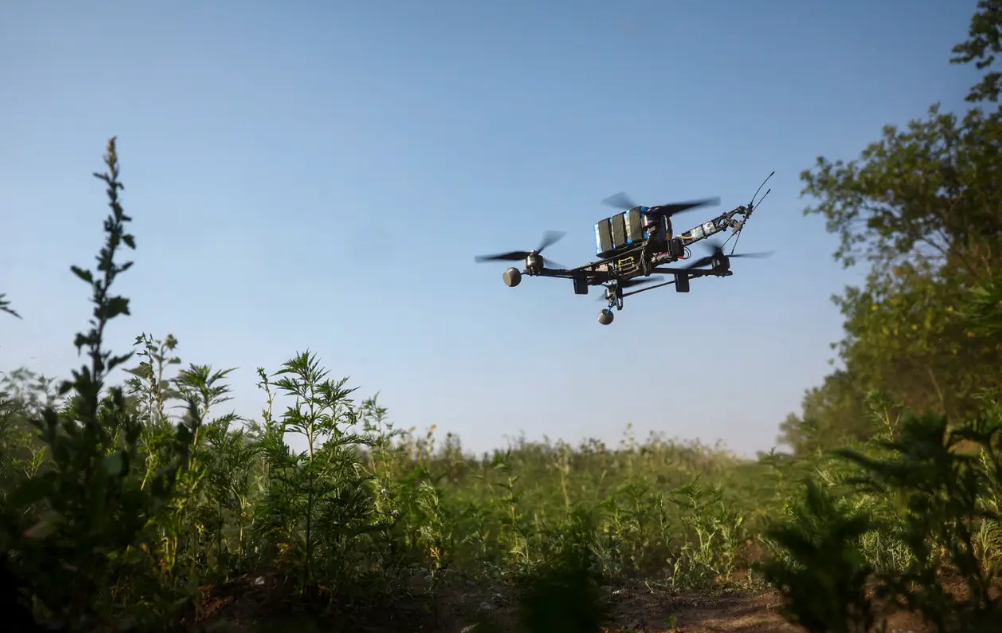
A major reason behind the rise in intercepted aerial targets is the rapid expansion of interceptor drone use. These drones are specially designed to detect, track, and destroy incoming enemy drones before they can reach their intended targets. Their growing use has significantly strengthened Ukraine’s layered air defense system.
Unlike traditional missile-based systems, interceptor drones are far cheaper to operate and can be deployed in large numbers. This makes them highly effective in situations where repeated drone attacks occur, especially when many targets arrive simultaneously in waves. Their cost advantage also helps preserve more expensive missile systems for high-priority threats.
Military updates indicate that interceptor drones have become one of the most important elements of Ukraine’s air defense strategy. They now operate alongside surface-to-air missile systems, mobile fire groups, anti-aircraft guns, and radar-based detection units. Together, these systems create a coordinated defense network that responds to threats at different ranges and speeds.
One of the key strengths of interceptor drones is their flexibility and speed. They are particularly effective against small, low-cost attack drones that are often used in large groups to overwhelm defenses. Reports also show that Ukrainian-made interceptor drones are performing at a high level, with their deployment increasing rapidly. As a result, they are now handling a growing share of aerial interceptions within the overall defense structure.
Mixed Air Defense Systems Stop Continuous Attacks
Ukraine’s air defense network operates as a layered system, where multiple tools and units work together to stop incoming aerial threats. In March, this system included interceptor drones, surface-to-air missile units, helicopters, mobile fire groups, and anti-aircraft machine gun teams. Each layer had a specific role depending on the speed, size, and type of threat detected.
Russian forces reportedly increased drone production during the month and used repeated waves of attacks. These coordinated waves were designed to test and overwhelm Ukraine’s air defense coverage across different regions. Despite the pressure, interception activity remained strong and continuous.
Sweden targets Russia’s shadow fleet with second major ship seizure in weeks
Surface-to-air missile systems continued to destroy incoming aerial targets at longer ranges, while mobile fire groups responded quickly to threats closer to the ground. Anti-aircraft machine gun units were also used to engage low-flying drones that managed to pass deeper into defended areas.
Helicopters added another important layer by directly engaging attack drones in the air, with reports stating they destroyed 379 drones in March alone. At the same time, interceptor drones became increasingly important, helping manage large volumes of incoming threats and providing a more cost-efficient way to strengthen overall air defense performance.