

Rising tensions over Iran have come under global focus after US President Donald Trump made sharply different statements within hours. His messages signals, shifting between strong military rhetoric and hints of de-escalation, have created confusion among observers and raised questions about US policy direction.
Trump Sends Mixed Messages on Iran War Within Hours
In the last 48 hours, US President Donald Trump has made a series of statements on the Iran situation that appear to contradict each other, creating confusion among policymakers, financial markets, and global observers tracking rising tensions in the Middle East.
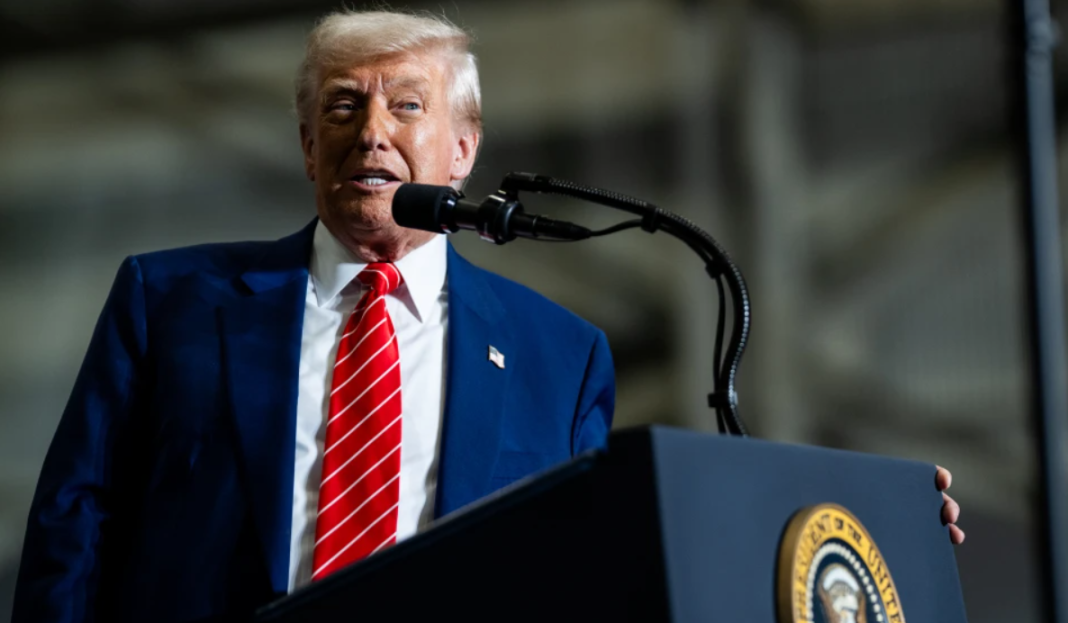
On Friday afternoon, speaking outside the White House, Trump took a strong and aggressive stance. He said he does not support a ceasefire at this stage, stating, “I don’t want to do a ceasefire. You don’t do a ceasefire when you’re literally obliterating the other side.” The comments suggested continued military operations involving the United States and Israel, with no immediate pause expected.
However, just hours later, Trump posted a different message on Truth Social. He said the US was “getting very close to meeting our objectives” and was “considering winding down” military efforts in the Middle East, particularly regarding Iran.
The shift created a sharp contrast between escalation and possible de-escalation. The rapid change in tone raised questions about consistency in US policy and decision-making. Observers noted the statements appeared aimed at different audiences, adding to uncertainty about the true direction of US strategy.
Markets React as Oil Prices Surge and Stocks Drop
Following President Donald Trump’s remarks, financial markets reacted quickly to rising uncertainty over the Iran situation. US equity markets fell sharply as investors responded to fears of possible escalation in the Middle East.
Traders said the main driver of the sell-off was instability. When geopolitical tensions increase, investors usually move money away from stocks and into safer assets like gold and government bonds. This shift was seen again as markets reacted to Trump’s conflicting signals.
At the same time, global oil prices rose. Energy markets are highly sensitive to developments involving Iran because of its key role in global oil supply routes. Even small signs of conflict or disruption in the region can push prices higher.
Just ask… we’ll come: Iran reacts to Trump’s Greenland remarks
Market participants also highlighted that uncertainty itself was a major factor. Trump’s mixed messages—suggesting both continued military action and possible winding down—made it difficult to predict future policy direction. This uncertainty increased volatility, causing larger and more frequent price swings than usual.
Analysts further noted concerns around the Strait of Hormuz, a critical passage for global oil shipments. Any risk of escalation in this area raises fears of supply disruptions, which directly affects global energy prices. Overall, both stock and oil markets reflected heightened anxiety and unstable expectations among investors.
Communication Strategy and Internal Contradictions in Messaging
The situation has raised questions about how US President Donald Trump is communicating during the Iran crisis. His statements appear to be aimed at different audiences at different times, including domestic voters, international partners, and political supporters.
On one side, remarks made outside the White House showed a strong and hardline military posture. This type of messaging is often used to signal strength and control during international tensions, sending a message of firmness to both allies and opponents.
On the other side, a post on Truth Social presented a softer tone, suggesting the possibility of winding down military activity. Social media messages are often used to communicate directly and quickly, without the formal structure of official briefings.
The strategic reason why the US is betting on unmanned surface vessels for naval warfare with Iran
The contrast between these two messages has raised concerns about consistency. Analysts say the rapid shift in tone may reflect competing pressures within the administration, including input from different advisors, political considerations, and fast-changing developments on the ground.
The language used also highlights the communication gap, with strong terms like “obliterating” contrasted with softer phrases such as “winding down.”
Officials have not issued a single unified statement clarifying policy direction, leaving space for interpretation and uncertainty. This has led to overlapping narratives and differing public understanding of US intentions.