
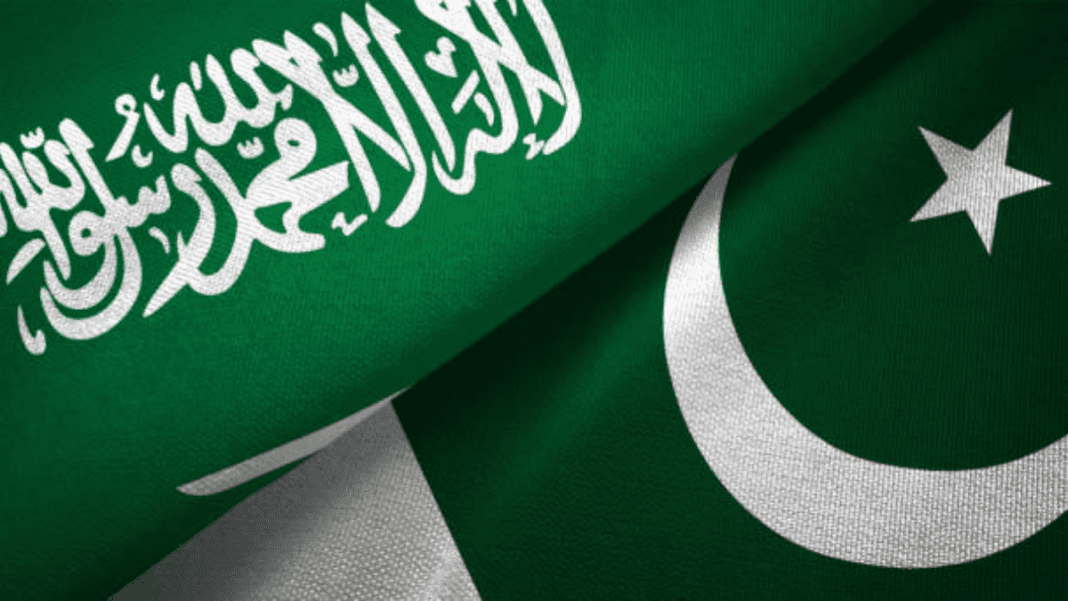

In recent days, Pakistan has emerged at the centre of a growing global challenge as tensions in the Middle East continue to escalate. A conflict between Saudi Arabia and Iran, two powerful neighbouring countries with long-standing rivalries, has intensified, and Pakistan, a key Muslim nation with strong connections to both sides, now faces a significant test of its foreign and defence policies.
Pakistan Faces a Critical Test
So far, Pakistan has carefully avoided participating in the clashes between Saudi Arabia and Iran. The country’s leaders are focusing on managing internal security challenges and handling ongoing border conflicts, which already demand significant military and political attention.
The recent escalation, however, has increased pressure on Pakistan from allies and regional observers. Leaders in Islamabad now must weigh their next moves carefully to avoid making hasty decisions.
Pakistan holds talks with Saudi Arabia on Islamic defence cooperation amid Middle East tensions
The situation has drawn global attention because Pakistan’s choices could affect the broader balance of power in the Middle East. Analysts are watching closely to see whether the country will honour its defence commitments with Saudi Arabia or maintain a cautious approach to avoid escalating tensions with Iran.
Rising Tensions Between Saudi Arabia and Iran
The Middle East is experiencing a tense, almost “war‑like” situation. Iran has launched missile and drone attacks on Saudi cities, including areas with key energy facilities. These strikes have damaged infrastructure and raised fears that the conflict could spread to neighbouring countries and impact global energy markets.
In response, Saudi Arabia has boosted its defenses and coordinated with allied nations to prevent further attacks. How countries tied to Saudi Arabia through defence agreements respond is now a major factor in the crisis.
Pakistan is particularly significant because of its Strategic Mutual Defence Agreement with Saudi Arabia, signed in September 2025. Under this pact, both nations promised to assist each other if either faced an attack, meaning Pakistan could be drawn into the conflict if tensions escalate.
This agreement represents collective security, where an attack on one is considered an attack on both. While it reassures Saudi Arabia, it puts Pakistan in a delicate position, as joining a military action could have major consequences for its domestic stability, foreign relations, and internal security.
High-Level Diplomacy and Pakistan’s Current Position
Amid rising Middle East tensions, Pakistan’s top military leader, Field Marshal Asim Munir, recently visited Riyadh and met Saudi Defence Minister Khalid bin Salman. Their discussions focused on Iran’s missile and drone attacks on Saudi cities, regional security concerns, and ways the two nations could coordinate responses under their defence agreement. Saudi officials highlighted the risks these strikes pose to regional stability and urged caution to prevent escalation.
Pakistan has publicly condemned Iran’s attacks and reaffirmed its strong ties with Saudi Arabia but has avoided committing to active military involvement. Diplomatic efforts continue with both Riyadh and Tehran, with Islamabad calling for dialogue and restraint rather than direct engagement.
China-made weapons face scrutiny after reported failures in Pakistan, Venezuela and Iran
The situation is further complicated by Pakistan’s domestic and regional challenges. The country faces serious security issues at home, border tensions, and conflicts in neighbouring areas. Pakistan’s large Shia population has cultural and religious ties with Iran, making any choice between the Gulf powers sensitive. Additionally, millions of Pakistani workers in Saudi Arabia and other Gulf countries mean that balanced relations are crucial for economic stability.
At present, Pakistan has expressed solidarity with Saudi Arabia and held high-level talks but has not confirmed participation in any war. Analysts worldwide are watching closely to see whether Islamabad will activate its defence pact or continue a neutral stance. These developments highlight Pakistan’s careful balancing of strategic commitments, regional diplomacy, and internal considerations amid one of the Middle East’s most sensitive geopolitical crises.