
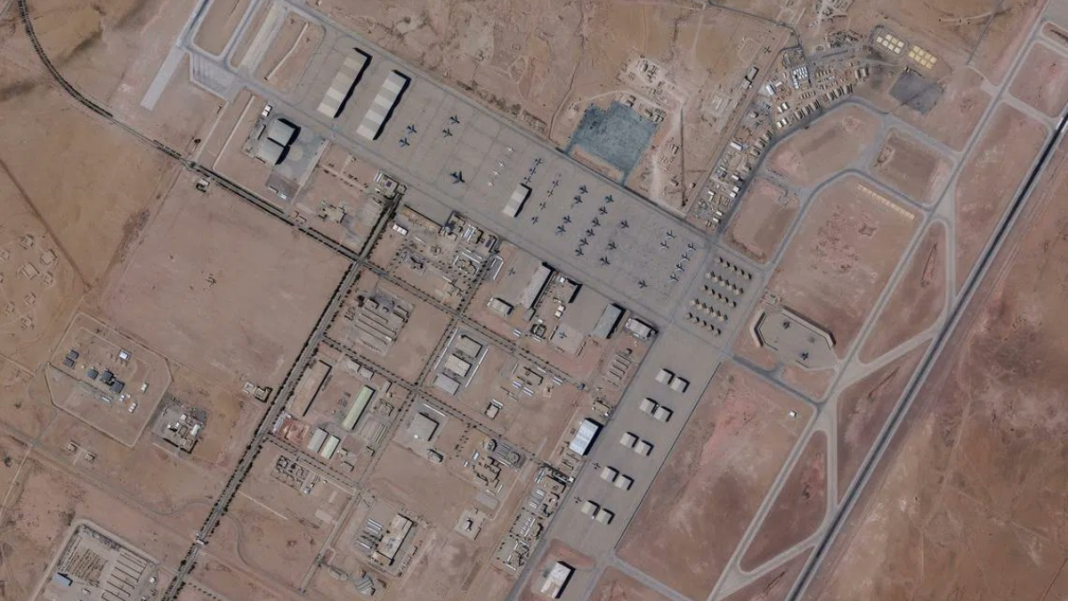

For nearly three days, daily life in Saudi Arabia appeared largely unchanged despite rising tensions across the Middle East, even as concerns quietly grew around the safety of key oil refinery infrastructure. Schools opened as usual on the morning of March 2.
Office workers attended meetings, traffic moved normally through cities, and flights continued arriving and departing across the country. Many residents and foreign workers carried on with routines, even as news of conflict elsewhere in the Gulf — and rising risks to major refinery sites — dominated international headlines.
Calm Daily Life Suddenly Disrupted by Reports of Drone Strike
Reports of a drone strike near Saudi Arabia’s largest oil refinery disrupted what had been days of relative calm inside the kingdom. Sources familiar with the matter said operations at the Ras Tanura refinery on the Persian Gulf were halted after an attack nearby. The facility is one of the country’s most important energy sites, capable of processing more than half a million barrels of oil daily.
U.S. approves $15.6 billion arms sales to Saudi Arabia and Israel amid Middle East tensions
Officials did not immediately confirm details or provide an update on the refinery’s operational status, creating uncertainty among markets and observers. The lack of official information fueled concerns about possible disruptions to global energy supplies.
The reported strike signaled a major shift in the regional conflict, suggesting that hostilities were reaching critical infrastructure within Saudi Arabia rather than remaining confined to distant battle zones. Authorities had already reported intercepting missiles targeting Riyadh and the eastern province. For many residents, the drone attack marked the moment when a distant conflict suddenly felt much closer to home.
Oil Refinery Infrastructure Becomes a Central Target in Expanding Conflict
The reported strike carried major significance because oil facilities are central to Saudi Arabia’s economy and play a vital role in global energy supply. Ras Tanura is one of the world’s most important refining and export hubs, acting as a key gateway for crude oil shipments to international markets. Any disruption at such a site can quickly influence global oil prices and financial markets.
Energy infrastructure has long been viewed as a sensitive target during regional conflicts. After news of the strike emerged, Saudi stock markets reversed earlier gains, reflecting investor caution, while energy-related shares rose as crude prices climbed on fears of tighter supply.
Once close allies, Saudi Arabia and the UAE now clash over power in the Middle East
The attack followed a series of strikes launched by Iran against Gulf states beginning on Feb. 28, described as retaliation linked to earlier military actions involving Israel and the United States. This escalation widened the conflict, drawing multiple countries into rising tensions rather than keeping the crisis limited.
Saudi Arabia had previously sought to remain outside direct regional confrontations while focusing on economic reforms and diversification efforts. However, attacks on domestic infrastructure increased pressure on the kingdom. Authorities responded by intensifying diplomatic actions, criticizing Tehran and urging stronger international attention as missile interceptions highlighted growing security risks within Saudi territory.
Rising Tensions Reflected in Markets and Regional Reactions
Financial markets reacted swiftly after reports of the refinery strike emerged. Saudi equities, which had been trading higher earlier, reversed gains as uncertainty grew over the security of key energy infrastructure. Investors closely monitored the situation, aware that even temporary disruptions could affect oil exports and economic stability.
Crude oil prices rose amid fears of supply risks in one of the world’s most important energy-producing regions. Markets often respond sharply to tensions in the Gulf because disruptions there can influence global fuel costs, transportation expenses, and inflation.
Saudi Defense Chief Warns Washington: If Trump Blinks on Iran, Tehran Will Only Grow Stronger
Inside Saudi Arabia, daily life largely continued as normal, but awareness of the conflict’s proximity increased. The contrast between routine city activities and reports of attacks showed how quickly regional tensions can impact domestic sentiment.
The eastern province, home to many major oil facilities, remained a strategic focus after reports of intercepted missiles targeting assets in the area. Diplomatic messaging also intensified, with Saudi officials urging stronger international responses to escalating attacks, reflecting growing concern about regional stability.
With no immediate official confirmation on the refinery’s full operational status, uncertainty persisted. The reported drone strike near Ras Tanura marked a significant escalation, bringing the wider Middle East conflict closer to Saudi territory.