
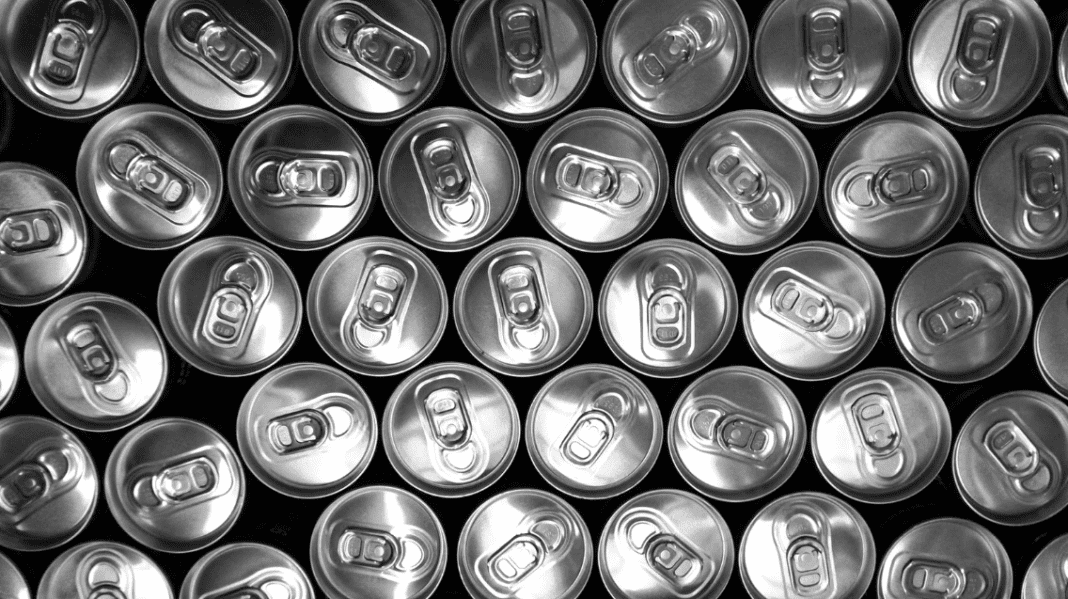

Russia has taken control of the local assets of a major Polish-American aluminum packaging company. The company is known around the world for making beverage cans. The government issued an order. The order placed the company’s Russian businesses under what it calls “temporary external management.” In simple terms, this means the company no longer controls its own factories and shares inside Russia.
A sudden takeover that changed control overnight
The decision also affected a large Danish insulation company that makes mineral wool products for buildings. Both companies had worked in Russia for many years, building factories, hiring local workers, and selling most of their products inside the country.
Under the order, a Russian industrial firm took control of all shares in the packaging company’s main Russian units, while a newly created Russian company took over the Danish group’s main business in Russia and a majority share in another unit. From one day to the next, the foreign owners lost the power to manage these businesses.
The aluminum packaging company, which began in Poland in the early 1990s, had become one of the world’s biggest can makers and a key supplier in Russia, once producing nearly one-third of the country’s cans. The Danish insulation group, present in Russia since the 1990s, said it no longer controls its four factories and will remove these assets from its financial results, while both companies’ plants continue to run under Russian-appointed managers.
Why Russia is taking foreign company assets
Since the war in Ukraine began in 2022, Russia has faced strong economic pressure from Western sanctions, which have limited access to money, technology, and global markets. To cope with this, the state has been looking for ways to support its budget and keep important industries running.
One method used more often is placing foreign-owned companies under “temporary administration.” Although officials describe this as a short-term step, many people see it as a way for the state to take control of valuable businesses without paying for them. Over the past few years, this policy has affected hundreds of companies across many industries.
The official reason is to protect jobs, keep factories open, and prevent key businesses from closing. Critics, however, say the real aim is to fill budget gaps and keep the economy going during a very difficult period.
In the latest cases, both the Polish-American can maker and the Danish insulation group have lost control of businesses they built over many years. The Danish company said it would try to defend its rights, but admitted it is not hopeful, and news of the takeover quickly hurt investor confidence.
Impact on businesses and the wider picture
For ordinary people in Russia, the factories may still look the same from the outside. Workers may still go to work, and products may still appear in shops. But behind the scenes, the ownership has changed in a major way, with foreign companies losing control over businesses they built over many years.
For these companies, the loss is not only about money. It also means losing the results of long-term planning, investment, and growth in a large and important market. The aluminum packaging company had become a key supplier for Russia’s drinks industry, while the insulation company played an important role in the construction sector.
This move also sends a clear message to other foreign firms that still operate in Russia. The risk of suddenly losing control over their assets has become very real. Some companies have already chosen to leave, selling their businesses at low prices or writing them off. Others stayed, hoping the situation would calm down and that they could continue serving local customers.
Russia issues war-linked warning after EU unveils plan to funnel frozen assets into Ukraine’s budget
In Poland, the can maker has been placed on a list made by an international university group that tracks companies still doing business in Russia. Critics often call it a “list of shame,” saying firms should not continue operations in a country involved in a major war. The company has said it also runs factories in Ukraine and has faced difficult choices since the conflict began.
Overall, these events show how deeply the business environment in Russia has changed. Rules that once seemed stable can now shift suddenly, and even large, well-known companies are no longer safe from sudden state takeovers.