
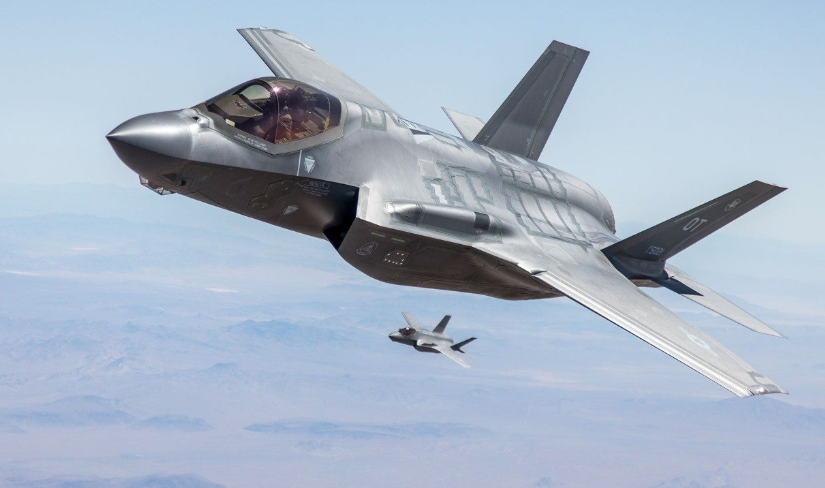

Australia has reached a major milestone with Defence officially declaring Final Operational Capability (FOC) for its fleet of F-35 Lightning fighter jets, confirming that all aircraft, systems, and support infrastructure are fully ready for every required mission. This achievement marks the completion of more than two decades of planning, training, and technology development, bringing Australia’s newest generation of air power into full, reliable service for national defence.
A Long Road to Full Operational Capability
FOC means the Royal Australian Air Force now has all 72 F-35 jets, enough fully trained pilots, and all maintenance and support systems functioning together as intended. Although this milestone was achieved on 7 July, it was only revealed publicly during a recent parliamentary hearing. Defence did not highlight the achievement at the time, and the reason remains unclear.
The journey to Operational Capability began long before the jets even touched Australian soil. Australia joined the F-35 development program in 2002 but did not commit to purchasing the jets until 2006. From there, the program shifted into one of the largest and most complex defence acquisitions in the country’s history.
Shock Exit? NATO Allies Reconsider F 35 Deals Amid Growing U.S. Distrust!
The first pair of aircraft arrived in December 2018, and the rest followed over the next few years. The final nine jets landed in December last year, completing the fleet. Because the fighters arrived in batches, the RAAF gradually introduced them into service, training pilots and crews step by step.
With all jets now in Australia, flying hours have naturally increased. Defence officials explained that more flying time helps determine the best balance between real-world flying and simulator training. This ensures that pilots remain skilled while also managing the high cost and complexity of maintaining advanced fighter jets.
How Technology Upgrades Delayed Completion
Originally, Operational Capability was planned for December 2023, but it was delayed due to complex hardware and software upgrades. These upgrades—called Technology Refresh 3 (TR-3) and Block 4—are essential for unlocking the F-35’s newest and most advanced abilities.
The final nine aircraft delivered to Australia were the first in the fleet to receive the TR-3 enhancements. These improvements include:
- Much more powerful onboard processors
- Expanded memory
- New and upgraded cockpit displays
This technology update acts as the foundation for the Block 4 upgrades. Block 4 adds a wide range of enhancements such as:
- A new APG-85 radar with improved detection capabilities
- A better Distributed Aperture System (DAS) for enhanced situational awareness
- Integration of extra weapon types
- More advanced electronic warfare features
🇨🇭 Swiss outrage erupts as Trump slaps record 39% tariffs, shaking F-35 jet deal
These upgrades significantly improve the aircraft’s performance, awareness, and ability to operate in complex environments. They represent a major step in making sure the jets remain effective for decades to come.
Because the upgrades took longer than expected, the final certification of the entire RAAF fleet was pushed back. Once the required software and hardware were fully ready, Defence was able to declare the fleet fully operational and confirm Final Operational Capability.
Workforce Adjustments and Sustainment Efforts Remain Key to Operational Capability
During the parliamentary hearing, questions were raised about whether Australia was cutting back on F-35 support and maintenance, but Defence officials firmly denied this. They explained that although some roles at the RAAF Base Williamtown sustainment hub were reviewed, most affected staff were successfully redeployed rather than removed.
Of the 68 positions adjusted at one company, 63 workers were reassigned to new roles, and changes at another contractor saw only one employee not redeployed. Defence also noted that the workforce is set to expand, with new maintenance lines and service bays expected to require around 100 additional employees between mid-2026 and mid-2028.
Officials stressed that sustainment remains a key priority and that keeping the F-35 fleet airworthy depends on trained technicians, engineers, and modern infrastructure. With Final Operational Capability now declared, Australia’s fleet is fully supported and ready for ongoing operations.