
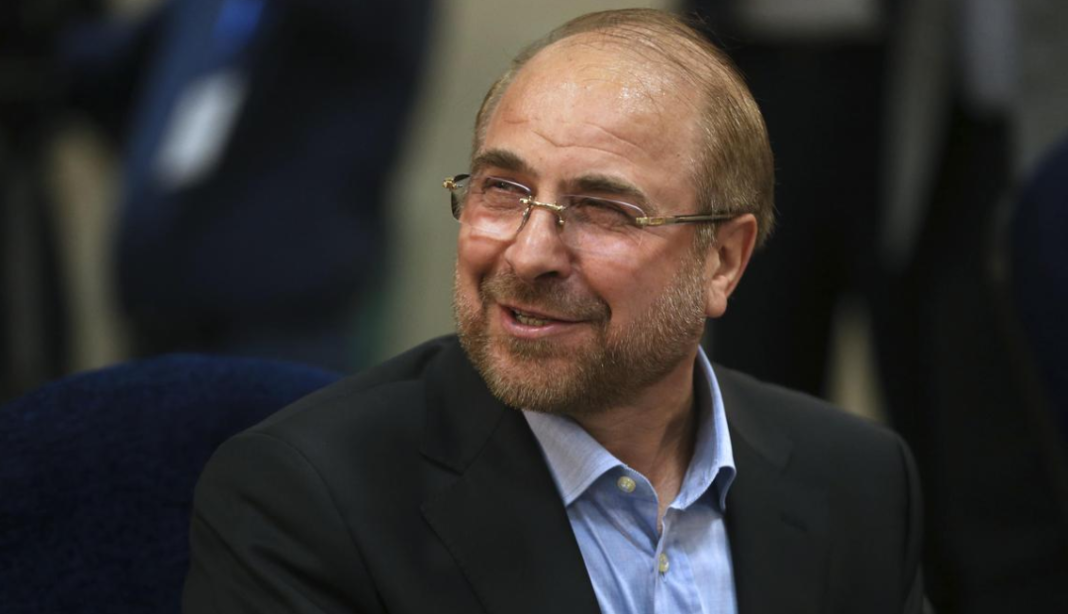

Tensions between the United States and Iran have taken a new turn as reports suggest that the administration of Donald Trump is considering a controversial idea. According to a report by Politico, officials in Washington are discussing whether Iran’s Parliament Speaker, Mohammad Bagher Ghalibaf, could play a larger role in future negotiations between the two countries.
This development comes at a time when relations between the US and Iran remain tense. There have been ongoing conflicts, threats, and deep mistrust on both sides. Despite this, some officials believe that certain figures within Iran’s political system could help open the door to talks.
White House Considers Ghalibaf as a Key Negotiator
According to reports, Mohammad Bagher Ghalibaf is being considered by some White House officials as a “hot option.” This means he is among the leading names for a possible role in future talks between Iran and the United States. His inclusion shows that Washington is exploring different figures within Iran’s leadership for potential engagement.
The “15 points” mystery: Trump claims productive talks with Iran despite Tehran’s denial
Ghalibaf is a powerful and experienced political figure. At 64, he serves as Iran’s Parliament Speaker and has previously held senior roles in the military as well as serving as Tehran’s mayor. However, he also strongly opposes the United States and has warned its allies of retaliation, which makes his potential role more complicated.
A White House official said Ghalibaf ranks among the top candidates but emphasized that the administration has not made a final decision yet. The administration is still reviewing multiple options, carefully weighing the risks and possible benefits before moving ahead.
Trump Pauses Military Action, Mentions Talks
In another key development, Donald Trump said his administration has been in contact with what he called “very solid” figures inside Iran. Although he did not reveal any names, his statement has fueled speculation about possible backchannel communication between the two sides. Such indirect talks often happen during times of tension, even when both countries publicly deny engagement.
Trump also shared that he has put on hold a plan to strike Iran’s energy infrastructure. The pause, set for five days, suggests that Washington may be giving diplomacy a chance instead of taking immediate military action. This move indicates a cautious approach as the US balances pressure with the possibility of dialogue.
Stealth below surface: Iran’s mini submarines shift the balance in Hormuz waters
However, Iranian officials have strongly rejected these claims. Mohammad Bagher Ghalibaf dismissed reports of talks with the United States as “fake news,” and said that others are using such narratives to influence global oil prices and financial markets rather than to reflect real diplomatic efforts. His response shows Iran’s clear position of publicly denying any engagement with Washington.
Ghalibaf also stressed that Iran’s leadership and people remain united, with strong public demand for firm action against perceived aggressors. His remarks highlight the internal pressure to maintain a tough stance, even as the US hints at possible talks. This contrast underscores the deep divide, with both sides sending very different messages about the situation.
Comparisons to Venezuela Raise Questions
Another key detail in the report highlights how some officials in the administration of Donald Trump are drawing comparisons with Venezuela and exploring a similar strategy. In Venezuela, the US supported Delcy Rodríguez after the removal of Nicolás Maduro, hoping she would cooperate with Washington, especially on oil and economic matters.
Officials believe they could apply a similar approach in Iran by supporting a leader who stays in power while also working with the US. They aim to secure favorable oil deals and reduce tensions through cooperation. However, experts warn that Iran’s political system has multiple power centers and strongly resists outside influence, making this strategy difficult to implement.
Stealth below surface: Iran’s mini submarines shift the balance in Hormuz waters
Analysts like Ali Vaez from the International Crisis Group argue that Mohammad Bagher Ghalibaf remains deeply embedded in Iran’s system. While he appears practical and ambitious, he strongly supports preserving the current political structure, which makes major concessions to the US unlikely.
Vaez also pointed out that Iran’s military and security institutions would restrict any leader’s flexibility. He added that deep mistrust—especially after recent actions by the US and Israel—continues to shape attitudes in Tehran, as many people doubt that any agreement will be honored.