
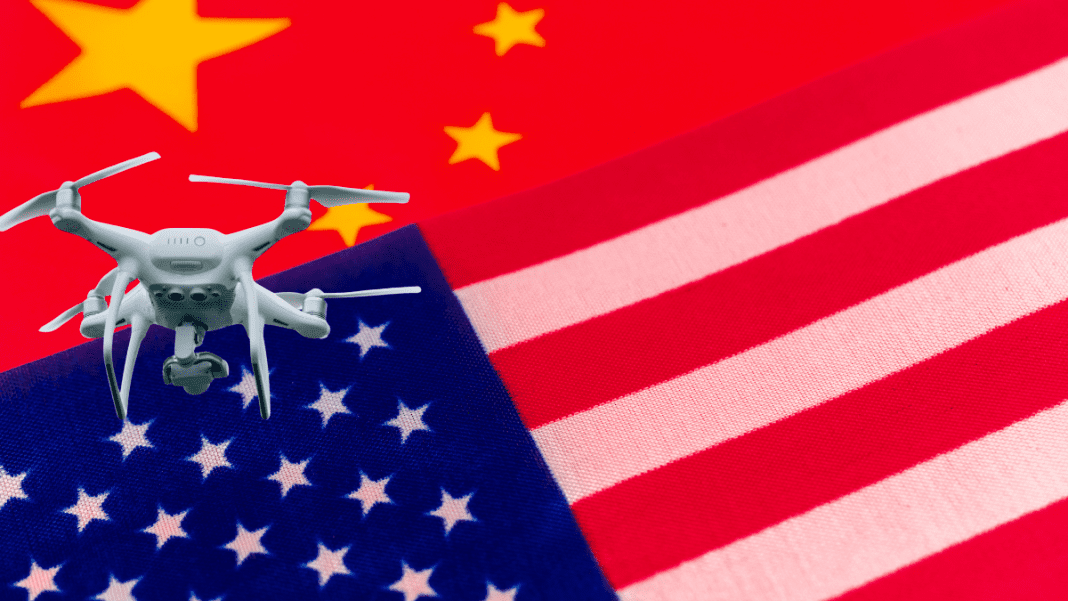

The United States has taken a major step against foreign-made drones. The new rule targets drones from Chinese companies. The Federal Communications Commission (FCC) has banned the import and sale of all new drone models and critical equipment considered a national security risk. This move focuses on leading manufacturers, including DJI, which dominates the global drone market. Drones already approved for sale or currently in use will not be affected. However, no new models from these companies can be sold to U.S. consumers.
The ban comes amid growing concerns about the widespread use of foreign drones in the U.S. Private owners, public safety agencies, farmers, and professional videographers all use these drones. DJI alone controls about 70% of the global market. This makes the restriction a major setback for both the company and American users who rely on these drones for work and personal projects.
FCC Cites Security Risks
The FCC’s decision was driven by worries over potential security threats linked to foreign-made drones. According to the regulator, drones and their components from foreign companies could be used for “persistent surveillance, data exfiltration, and destructive operations” over U.S. territory. These concerns are part of a broader effort to protect American airspace and critical infrastructure.
China unleashes colossal uncrewed submarines in South China Sea, dwarfing U.S. Navy’s Orca drones
The rule, however, does not stop people from using drones they already own or from purchasing models previously approved by the FCC. Only new drones and essential equipment from listed companies are affected. The agency said that this approach balances national security with ongoing consumer and business use of existing drones.
This action follows a government-mandated review required by the 2025 National Defense Authorization Act, which examined the safety and security of drones made by DJI, Autel Robotics, and other foreign companies. The FCC decision is based on a determination made by a White House-convened interagency group after reviewing potential security threats.
Industry and International Reactions
The announcement has drawn strong reactions from both industry and international observers. DJI expressed disappointment over the FCC’s ruling. The company said no evidence had been publicly shared to support the claim that its products posed security risks. It also stated that it is committed to product safety and transparency. DJI offered to cooperate with U.S. authorities for detailed reviews of its drones.
Flying Danger: Why Chinese Drones May Face U.S. Ban
On the international front, the Chinese government criticized the decision as “discriminatory.” It urged the U.S. to create a fair and non-discriminatory business environment for Chinese companies. Similar concerns have appeared before regarding other Chinese tech firms such as Huawei and ZTE. These companies were also added to the FCC’s Covered List over national security worries.
Historical Concerns About Chinese Drones
Concerns over Chinese drones are not new. As early as 2017, U.S. authorities, including the Army and Department of Homeland Security, raised alarms about potential cybersecurity issues with DJI drones. The warnings suggested that sensitive flight data could be sent back to manufacturers in China. DJI also faced U.S. sanctions in 2020 for alleged human-rights abuses and high-tech surveillance activities. Additional restrictions followed in the years after.
Chinese drone subs set to make first public appearance in Beijing parade
Despite these challenges, DJI drones have remained popular in the U.S. They are used by professionals, hobbyists, and public service agencies alike. The FCC’s ban now marks the first major step to prevent new models from entering the market. It signals a more aggressive stance on foreign-made drone technology.
The new FCC rule highlights the ongoing tension between national security and technology innovation. By banning new drone models from major foreign manufacturers, the U.S. government aims to reduce potential risks. At the same time, existing drones can continue serving American users. The move will have a significant impact on the drone market and on the thousands of individuals and organizations that rely on these devices every day.