
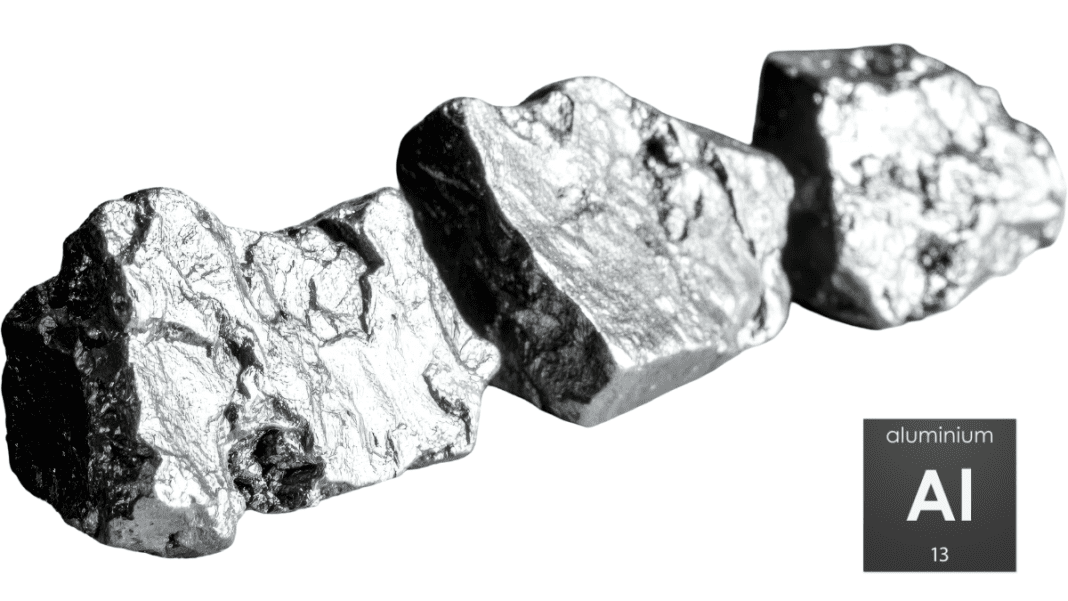

Global attention has focused on rising oil and gas prices after the US-Israel-Iran conflict. Aluminium is quietly surging too. Its price hit a four-year high on the London Metal Exchange, reaching $3,544 per ton. The war is disrupting shipments through the Strait of Hormuz. This threatens supply in an already tight market.
Strait of Hormuz Disruption Hits Aluminium Supply
The Strait of Hormuz is a key route not just for oil and gas, but also for aluminium. Gulf countries like Bahrain, Qatar, Saudi Arabia, and the UAE produce over 5 million tons annually, about 8 percent of global output, mainly shipped to Europe and the US.
The ongoing conflict has made the strait nearly impassable for aluminium shipments. Gulf smelters face a double challenge: they cannot export finished aluminium and struggle to import raw materials like bauxite and alumina. Ships are rerouting toward Asia, including vessels carrying alumina to Bahrain.
Iran links free passage through Strait of Hormuz to expulsion of US and Israeli diplomats
Aluminium production relies on three linked stages: refining bauxite into alumina, smelting alumina into aluminium, and supplying industries from construction to packaging. Any disruption affects the entire market.
The conflict has forced major actions. Qatar’s Qatalum smelter began shutting down after a gas supply suspension. The plant, producing 648,000 tons yearly, could take six to twelve months to restart, signaling a serious blow to global aluminium supply.
Tight Global Market Pressures
Even before the Iran war, the aluminium market was under pressure. China, the world’s largest producer, capped smelting at 45 million tons, limiting global growth. Western countries have also removed Russian aluminium from trade due to sanctions, further tightening supply. London Metal Exchange stocks fell by over 330,000 tons in 2025 and dropped further in early 2026.
Supply pressures are rising outside the Gulf as well. A major smelter in Mozambique paused operations due to electricity supply issues. This has pushed aluminium contracts into a premium, meaning near-term prices are higher than future deliveries. Last week, the premium for cash aluminium over three-month contracts reached $47.4 per ton, the highest since early 2022.
Hormuz in Flames? US Demands China to Stop Blockade Shock!
Over the past two decades, Gulf countries have become a global aluminium powerhouse. Large smelters powered by abundant natural gas allowed production to rise from 2.7 million tons in 2010 to over 6 million tons last year. The Gulf now supplies about 30 percent of Europe’s aluminium imports and more than 20 percent of US imports. Integrated smelters like Aluminium Bahrain, Emirates Global Aluminium, and Qatar Aluminium produce both primary aluminium and specialized alloys.
The impact is already visible. Aluminium Bahrain declared force majeure, and Qatar Aluminium started controlled shutdowns. Europe is especially affected, as other suppliers like Mozambique are also offline, and inventories remain low with much of the available metal from sanctioned Russian sources.
Impact on India’s Aluminium Trade
ndia, a major aluminium producer, is less vulnerable to supply disruption than Europe or the United States, thanks to domestic smelters operated by companies like Hindalco and Vedanta, supported by homegrown bauxite reserves. However, India still imports certain aluminium grades and alloys for automobile manufacturing, electrical equipment, and packaging.
Gulf producers form a significant, though not dominant, part of India’s imports. In 2023, India bought about $590 million worth of unwrought aluminium alloys, with Qatar, Bahrain, and the UAE collectively supplying roughly half. For non-alloyed aluminium, Gulf countries represented a smaller share, with Oman supplying most imports.
Iran IRGC says Strait of Hormuz passage open to states expelling US and Israeli envoys amid oil risk
Even if physical shortages are limited, higher global aluminium prices can increase production costs for Indian industries, from car makers to construction companies. On the flip side, Indian producers may gain from stronger export opportunities if Gulf aluminium shipments remain constrained.
As the world watches oil prices climb, aluminium is quietly catching fire, showing how the Iran war’s ripple effects reach far beyond energy markets and into industries that touch everyday life worldwide.