
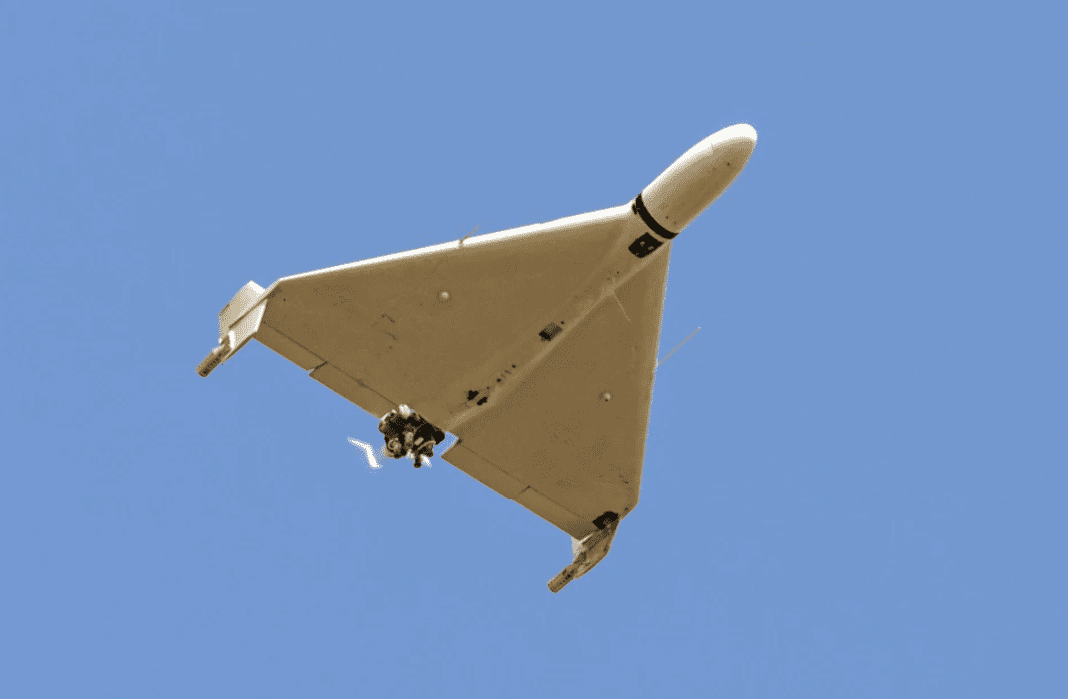

Ukrainian unmanned forces conducted coordinated night strikes inside Russia targeting Shahed drone hubs and key military infrastructure. The reported attacks hit drone preparation sites, air defense systems, and logistics facilities across multiple regions. The operations are described as aimed at disrupting drone deployment and weakening supporting military networks.
Targeted Night Strikes on Shahed Drone Bases
Ukrainian unmanned forces carried out coordinated night strikes inside Russia. They targeted key drone launch sites linked to Shahed-type UAV operations. The attacks focused on Navlya in the Bryansk region. They also hit the Khalino airfield in the Kursk region. Both sites are believed to support long-range drone launches.
These hubs are used to assemble Shahed drones. They are also used to fuel and program them before deployment. By striking these points, the operation aimed to disrupt the launch process at its source. It also aimed to reduce the ability to deploy drones efficiently across targeted areas.
Cheap drones, costly defence: how Shahed strikes are reshaping modern warfare
The strikes took place overnight between April 3 and April 4. This timing was chosen to reduce visibility. It also limited the effectiveness of air defenses. The targeted sites were described as pre-flight training points and operational hubs. They were located in swampy, hard-to-access areas that provide natural cover. Despite this, the sites were successfully hit.
Damage to Air Defense and Support Infrastructure
Alongside the strikes on Shahed drone hubs, additional attacks targeted key military infrastructure, including radar systems and air defense units. One major target was a radar station linked to the S-400 surface-to-air missile system in Feodosia. This system is known for its long-range detection capabilities and plays a crucial role in identifying incoming aerial threats such as drones and missiles.
The loss of such a radar station can weaken airspace monitoring significantly. Without proper radar coverage, it becomes harder to track incoming threats, especially low-flying or fast-moving objects. This can create gaps in defense systems, increasing the chances of successful aerial attacks and reducing response time for interception.
Ukraine’s STING interceptor drone shoots down jet-powered Shahed armed with air-to-air missile
Another important target was the Tor air defense missile system, which is designed for short-range protection against threats like drones. Damaging this system can make nearby areas more vulnerable, as it is often used to defend critical locations from low-altitude attacks that larger systems might miss.
In addition to these systems, other facilities were also struck, including warehouses, command posts, and technical support sites. These locations are essential for storing equipment, managing operations, and maintaining systems. By targeting both defense units and support infrastructure, the strikes appear aimed at disrupting the broader network that supports drone operations.
Impact on Drone Operations and Logistics
The reported strikes highlight the critical role of logistics in modern warfare. Drone operations depend on a wide network of support systems, including storage facilities, maintenance units, programming centers, and launch coordination points. These elements work together to ensure that drones can be prepared and deployed efficiently. When any part of this network is disrupted, the overall ability to carry out attacks is reduced.
Shahed drones, in particular, require detailed preparation before they can be launched. This process includes installing navigation and guidance systems, fueling the drones, and carefully setting their flight paths. These steps are usually carried out at dedicated hubs or staging areas. If these hubs are damaged or destroyed, the preparation process is interrupted, making it difficult to launch drones as planned.
Ukrainian President Zelensky says US requests help to counter Iranian Shahed drones in Middle East
The strikes on Navlya and Khalino appear to have specifically targeted these key stages of drone deployment. By hitting both storage areas and preparation sites, the operation aimed to reduce the number of drones ready for use. This approach focuses on limiting capacity rather than reacting to drones already in the air.
Damage to command-and-control nodes further impacts operations. These centers are responsible for planning and directing missions, so their disruption can cause delays, confusion, and communication breakdowns between units.