
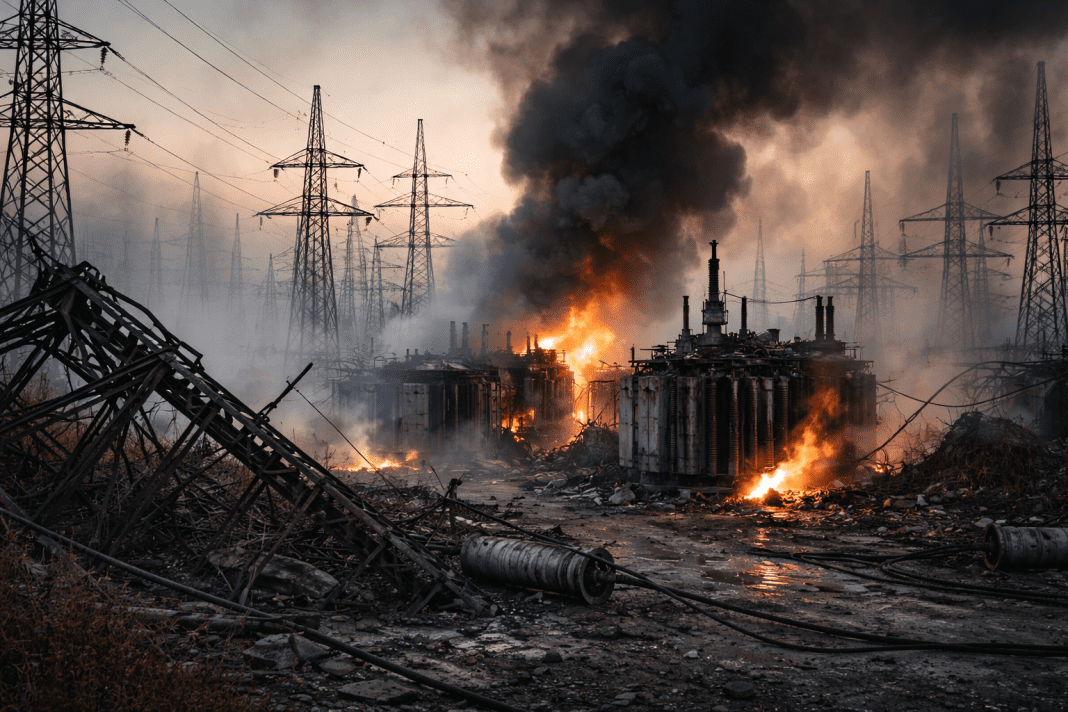

Ukraine is facing a severe Power Crisis. Russian missile and drone attacks have damaged energy infrastructure in Kharkiv, Sumy, and Chernihiv regions. Thousands of households and businesses were left without electricity on March 9. Power engineers are working nonstop to restore supply where it is safe. However, ongoing fighting in frontline areas is slowing repairs. This has intensified the Power Crisis.
Widespread Outages and Emergency Restoration Efforts Amid Power Crisis
The attacks on energy infrastructure have not only cut electricity to homes but also affected industrial facilities. In response, Ukraine has applied temporary power-limitation schedules for industries and hourly outages for residential consumers. These measures aim to prevent overloading the grid and reduce the impact of the ongoing Power Crisis.
On March 9, electricity consumption at 9:30 a.m. was 4.5% lower than the previous working day. Experts attribute this drop partly to clear weather across Ukraine, which has allowed household solar panels to generate electricity. The energy generated from solar systems has reduced reliance on the national grid, highlighting the importance of alternative energy in easing the Power Crisis.
Ukraine war becomes drone battlefield as 20-kilometer ‘kill zones’ reshape combat
Authorities advised residents to use electricity during the hours when solar power is most productive, typically between 11:00 a.m. and 4:00 p.m. In regions where scheduled outages are active, people are encouraged to shift energy-intensive activities to nighttime, after 10:00 p.m., to help stabilize the grid and mitigate the Power Crisis.
Despite efforts to restore power, the consequences of earlier attacks on the energy system remain. Several areas continue to experience power limitations, and scheduled outages are still in effect to manage energy distribution safely.
Energy Shortages Affect Households and Industries
Ukraine has experienced significant energy deficits over the winter, but recent efforts have reduced the shortfall from a peak of 5–6 gigawatts to around 1 gigawatt. While this improvement has eased pressure on businesses, the grid remains vulnerable to attacks, and electricity for households is still interrupted in multiple regions, prolonging the Power Crisis.
Industrial facilities continue to operate under power limits. Hourly electricity outages are in place for factories and other large consumers to conserve energy and prevent further stress on the grid. Residential consumers also face intermittent power cuts throughout the day, creating challenges for families and small businesses.
The situation demonstrates the ongoing struggle of Ukraine’s energy sector to maintain stability while under attack. Solar power has emerged as one of the fastest and most cost-effective sources of energy during the crisis. By generating electricity locally, households can reduce pressure on the national grid and help ease the Power Crisis, continuing essential activities even during outages.
Government and Energy Authorities Respond to Crisis
Ukrenergo, the national energy operator, continues to coordinate with local teams to restore power as quickly as possible. Emergency crews immediately repair damaged equipment and stabilize the grid. The company emphasizes that crews carry out restoration work only when safety conditions allow, especially in frontline regions where fighting continues.
The government has urged citizens to practice prudent energy use and follow the schedules for electricity outages. By adjusting consumption habits, residents can help prevent additional blackouts and support the overall stability of Ukraine’s power system, reducing the strain of the Power Crisis.
Ukraine strikes Belgorod energy systems leaving hundreds of thousands without heat or power
Authorities are monitoring the grid closely and have asked industrial and residential consumers to cooperate with the measures in place. The combination of scheduled outages, prudent energy use, and local solar generation helps Ukraine manage the effects of repeated attacks on the energy infrastructure.
As of March 9, power remains disrupted in several regions, but authorities continue their efforts to restore electricity where possible. The situation reflects both the resilience and challenges of Ukraine’s energy system amid ongoing attacks, highlighting the crucial role of emergency response teams and alternative energy sources in addressing the Power Crisis.