

Ukraine’s Main Intelligence Directorate said precision strikes on December 13 dealt a major blow to Russian forces in occupied Crimea by destroying key Radar Systems used for air surveillance and missile defense, significantly weakening the ability to detect aircraft, drones, and missiles and reducing Russia’s capacity to monitor airspace and coordinate air defenses over the peninsula.
Radar Systems Destroyed in Precision Strikes
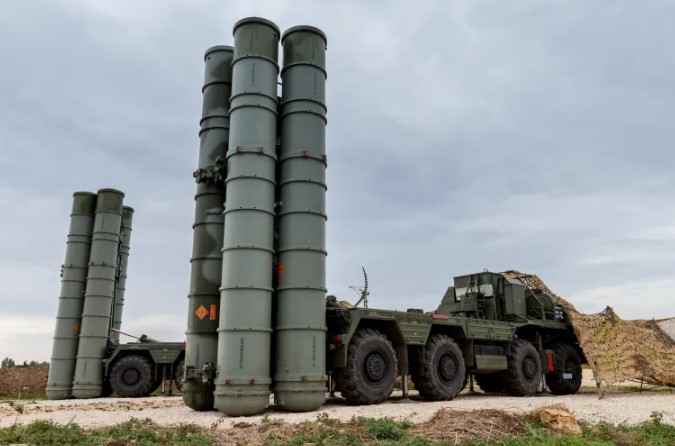
The intelligence agency stated that a special unit carried out carefully planned strikes against two Russian radar stations positioned in occupied Crimea. These included the 39N6 “Kasta-2E2” and the 96L6 radar, which works as part of the S-400 “Triumf” air defense system. Military forces consider both Radar Systems essential for detecting and tracking airborne targets.
Radar works like electronic eyes, sending out signals and listening for their return after they hit objects in the sky. This process lets operators identify what is flying nearby, its altitude, and its speed. When attacks destroy such Radar Systems, air defense units struggle to respond in time.
Drone Hell Hits Russia’s Oil Heartland — S-400 Base Ablaze, Novorossiysk Engulfed in Chaos
The 39N6 “Kasta-2E2” radar is designed to detect low-flying objects, including drones and helicopters. The 96L6 radar plays an even bigger role by feeding information directly into the S-400 system. Together, these Radar Systems help create a picture of the airspace and guide defensive missiles toward their targets.
The intelligence agency said the loss of these assets significantly weakened Russian surveillance and air defense capabilities in Crimea. In a statement, it described the destroyed equipment as the “eyes” of the S-400, highlighting how important these Radar Systems were for controlling airspace over the peninsula.
Drone Strike Knocks Out Tunguska Air Defense Vehicle
In a separate but related operation, Ukrainian forces reported that a drone bomber operated by Marine Corps units destroyed a Russian 2S6 Tunguska self-propelled air defense system. The vehicle protects military units from aircraft and drones at close range and often operates alongside larger Radar Systems to provide layered defense.
Footage from the strike showed a drone drop a heavy munition onto the front of the Tunguska, causing a strong explosion. A second strike then hit the turret and triggered additional blasts, likely from missiles stored on the vehicle.
U.S. softens on S-400 standoff — Türkiye’s F-35 return back on the table
Fighters from a National Guard unit carried out the attack with support from unmanned systems specialists and a coastal defense brigade. The use of drones against air defense vehicles shows how modern warfare relies on speed, coordination, and precision rather than large-scale assaults.
By removing the Tunguska from service, Ukrainian forces reduced another layer of Russian air protection, further limiting the ability of remaining Radar Systems and missile units to operate effectively together.
Wider Operations Target Military Assets in Occupied Areas
The intelligence update also referred to earlier actions by Ukraine’s Special Operations Forces in occupied parts of the Donetsk region and Crimea. During overnight missions, FP-2 strike drones hit several Russian targets, including a train carrying fuel and lubricants.
Such supply trains are critical for military operations. Fuel powers vehicles, generators, and aircraft, while lubricants keep engines and machinery working. Striking these targets disrupts daily operations and weakens the ability to support air defenses, vehicles, and remaining Radar Systems.
Russia’s S-400 blueprint nearly stolen — ISI spy network dismantled in St. Petersburg sting
These operations focused on precision rather than scale, aiming at assets that support surveillance, defense, and logistics. Radar stations, air defense vehicles, and supply lines form the backbone of modern military control. Damaging them limits coordination and reduces overall effectiveness.
The intelligence agency said that the combined effect of these actions significantly reduced Russian surveillance and air defense strength in occupied territories. By targeting key equipment and support systems, the operations focused on weakening the structures that allow military forces to monitor, defend, and operate across Crimea and nearby regions.