
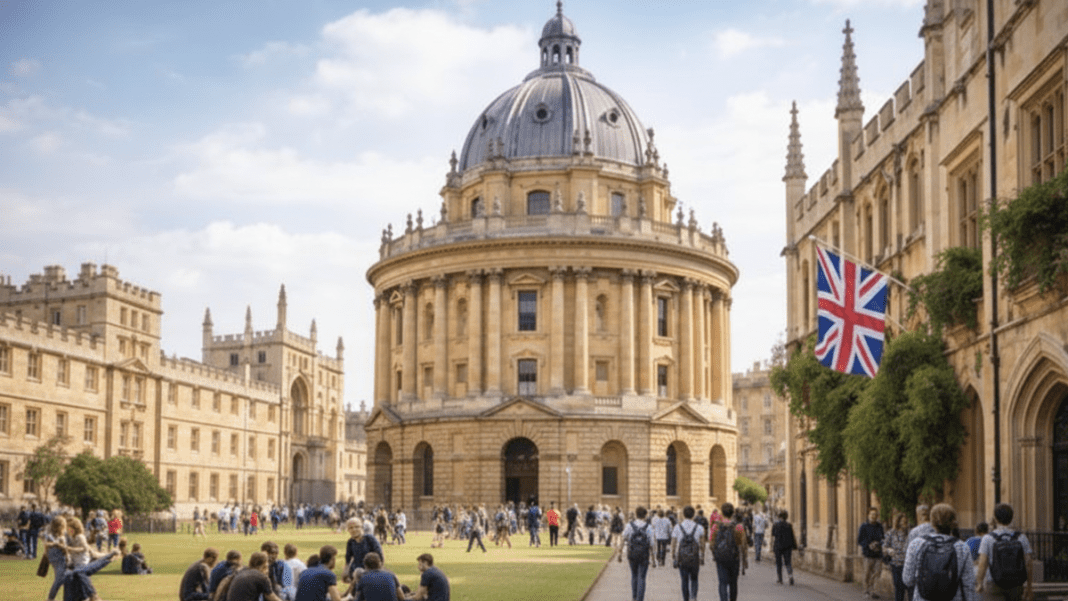

The United Arab Emirates has recently made a big change affecting its students. The government has decided to limit funding for Emiratis studying at UK universities. This marks a shift in how the UAE views its relationship with the UK, a country that has long been one of its closest education partners.
This decision affects not only scholarships but also the recognition of UK degrees in the UAE. It is a major concern for students, families, and universities alike. For many years, the UK has been a top choice for Emirati students. However, this favorable position is now under strain as political and security concerns between the two nations have grown.
According to people familiar with the matter, the funding restriction is not temporary and reflects deeper disagreements between the two governments.
Security Concerns Drive a Harder Education Policy
UAE officials have raised concerns about Islamist influence and political activism on British university campuses. People with direct knowledge of the discussions said Emirati authorities fear that students studying in the UK could be exposed to extremist ideas.
One person familiar with the talks said the concern was clear: the UAE wants to prevent its students from becoming radicalized while studying abroad. Authorities treat even rare cases of radicalization as serious risks.
Once close allies, Saudi Arabia and the UAE now clash over power in the Middle East
Global conflicts have heightened these concerns by fueling protests and activism on university campuses. In the UK, government officials flagged a small number of students under the Prevent program for signs of Islamist radicalization, with cases rising in the most recent academic year.
Since the Arab uprisings of 2011, the UAE has taken a strict stance against Islamist movements. Under President Sheikh Mohammed bin Zayed al-Nahyan, the country has imposed tight domestic controls and acted regionally to curb the influence of political Islam.
UK officials, responding to questions about the funding decision, stressed the importance of academic freedom and open debate as core principles of British higher education. This difference in outlook has contributed to the growing divide.
UK Universities Excluded From Approved Scholarship List
The funding cut became clear in June when the UAE’s higher education authorities published an updated list of international universities approved for state scholarships and official degree certification. The reform aimed to direct students toward institutions the authorities consider both high quality and appropriate.
While the list included universities from countries such as the United States, Australia, France, and Israel, it excluded British institutions. Officials later confirmed that the omission was intentional.
Rare public rift: Saudi Arabia claims UAE aided escape of wanted Yemeni leader
Students who had already begun their courses were, in some cases, allowed to continue receiving support. However, new students enrolling in UK universities are generally no longer eligible for federal scholarships.
More significantly, the UAE has said it will not recognize degrees from institutions outside the approved list. This limits the value of UK qualifications for Emiratis seeking government employment or regulated professional roles after graduation.
Some wealthier families have continued to send their children to the UK by paying tuition fees directly, but this option remains out of reach for most students.
Declining Student Numbers and Strained Relations
The impact of the policy is already visible. The number of Emirati students granted UK study visas has fallen sharply over the past few years, reflecting both the funding restrictions and wider diplomatic tensions.
The scholarship decision comes amid broader strains in UAE–UK relations. Disagreements have emerged over media ownership, regional conflicts, and sports governance. The UAE has also repeatedly raised concerns about the UK’s refusal to ban the Muslim Brotherhood, a group it considers a security threat.
A comprehensive UK government review in 2015 found that the Muslim Brotherhood was not linked to terrorist activity in Britain. Prime Minister Sir Keir Starmer’s administration has since said the issue remains under close review.
Nigel Farage, leader of the right-wing Reform UK party, has publicly said he would ban the Muslim Brotherhood if he became prime minister. The UAE government paid for Farage to visit the country last year, according to earlier reports.
UK made components found in Iranian radiation devices despite international sanctions
Despite tensions, education remains an important link. British universities have branch campuses in the UAE. They offer UK degrees locally. Academic cooperation continues between the two. UK officials say the funding ban’s impact is unclear. There are isolated cases of scholarships still available.
This includes some military-linked students. A UAE official did not comment on the exclusion of UK universities. The funding and recognition restrictions signify a major policy shift. This change affects students’ choices and alters the academic relationship.