

The U.S. has approved major weapons sales to Saudi Arabia and Israel. The total value is about $15.6 billion. These are among the largest recent arms deals announced by the State Department. The announcement comes amid rising tensions in the region. Concerns include Iran and the ongoing conflict in Gaza.
What Are the New Arms Deals?
Saudi Arabia Deal – $9 Billion
Saudi Arabia will buy 730 Patriot missile defense systems and related gear from the United States. The high‑tech missiles, designed to shoot down aircraft or ballistic missiles, will be operated by Saudi forces. The U.S. says the purchase will strengthen Saudi Arabia’s defenses and enhance regional security.
Israel Deal – $6.67 Billion
Israel’s package is divided into four parts:
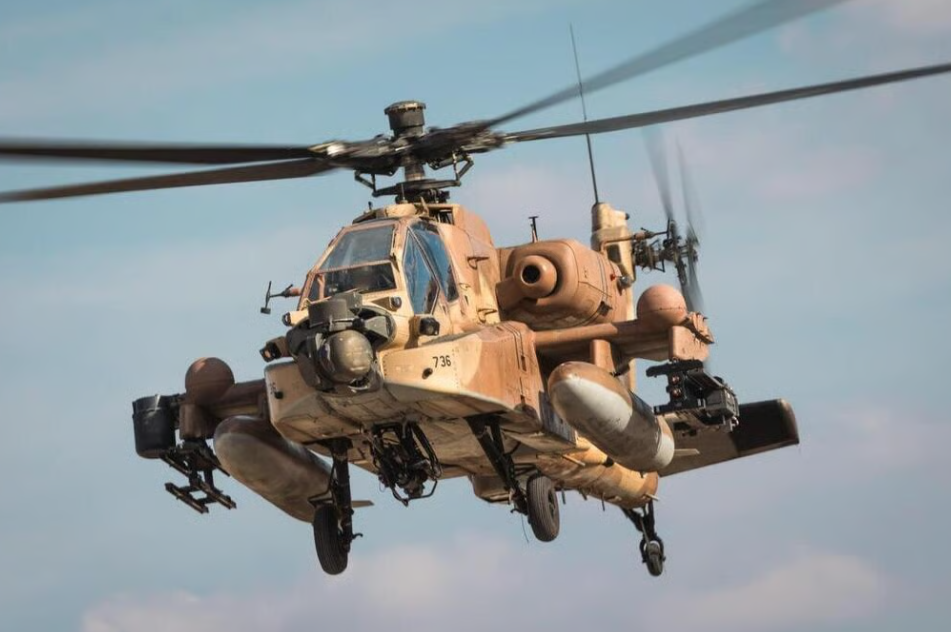
- 30 Apache attack helicopters — these are heavy helicopters that can carry rockets and missiles, and have advanced targeting systems. They are often referred to as “flying tanks”.
- 3,250 light tactical vehicles — used to move troops, equipment and supplies.
- Power packs for armoured vehicles — these help keep existing military vehicles running, and cost about $740 million.
- Light utility helicopters — worth about $150 million, these are smaller, versatile aircraft for transport and support.
- The Apache helicopters alone make up the biggest chunk of the Israel deal, at nearly $3.8 billion.
Why These Sales Are Happening Now
Officials say the timing of these arms sales is closely linked to strategic security concerns in the Middle East. Tensions in the region have been rising due to multiple factors, including ongoing disputes and threats from Iran. The United States has indicated that it may take military action against Tehran if certain issues escalate, signaling a readiness to protect its interests and allies in the area.
In response to U.S. warnings, Iran has stated that any strike against it could make American forces and assets in the region legitimate targets for retaliation. This has heightened concerns about regional stability and the safety of U.S. personnel and allies. Experts say that the arms sales to Saudi Arabia and Israel will bolster the countries’ defensive and offensive capabilities against such threats.
Netanyahu launches quiet campaign to stop US F-35 jets reaching Saudi Arabia and Turkey
Saudi Arabia and Israel, both longstanding allies of the United States, are expected to gain significantly from these deals. Washington has emphasized that helping these countries strengthen their defenses supports broader regional security goals. For Saudi Arabia, the purchases include advanced missile systems, while Israel’s package focuses on attack helicopters, tactical vehicles, and support equipment to reinforce its military readiness.
At the same time, the Trump administration continues to pursue diplomatic efforts in the region. These include a plan for a Gaza ceasefire and long-term proposals aimed at establishing Palestinian statehood. The arms sales have been officially notified to the United States Congress, as required for deals of such size, ensuring oversight while highlighting the administration’s strategic approach to balancing military support with diplomatic initiatives.
Political and Strategic Context
These large arms packages are part of long‑standing U.S. relationships with both Saudi Arabia and Israel. Both nations already receive American military support in different forms, and these new deals add to that long history.
Patriot missiles are air defence systems that help protect against aircraft and long‑range missiles.Many countries use these systems as defensive tools to shield themselves from incoming attacks.
Military forces operate Apache helicopters for both defensive and offensive missions. Heavily armed, these helicopters can fly at night or in poor weather, making them valuable assets for complex operations.
Once close allies, Saudi Arabia and the UAE now clash over power in the Middle East
The timing of the arms approvals — just as regional tensions remain high — highlights how closely linked U.S. foreign policy and national security decisions are with military support for partner countries.
This major announcement marks one of the biggest recent U.S. arms sales to the Middle East. The United States intends these deals to deepen defence cooperation with its allies and to address emerging security challenges in the region.