
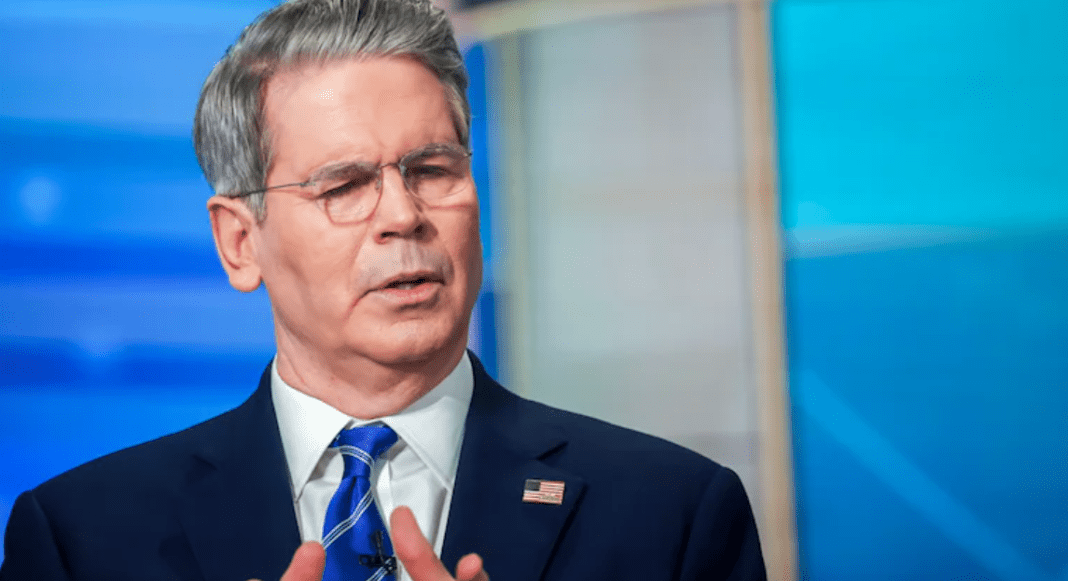

US Treasury Secretary Scott Bessent spoke at the World Economic Forum in Davos. He said the 25 percent tariff on Indian imports linked to Russian oil could be rolled back. Indian refineries have sharply reduced their purchases from Russia. Bessent added that the tariff has largely achieved its goal.
Tariffs and Trade Tensions Between India and the US
The 25 percent tariff is part of a larger trade tension issue between India and the United States. Currently, Indian exports to the US face a total tariff burden of 50 percent, after President Donald Trump doubled duties in August 2025. The US cited India’s energy ties with Russia, particularly in the wake of the Ukraine conflict, to impose the tariffs.
Analysts suggest that the US may have used the extra tariffs as a negotiating tool in the ongoing trade talks with India. Bessent’s latest comments hint at a potential easing of the tariff burden, signaling possible progress in these discussions.
Trump cancels tariff plan on eight European countries after NATO signals talks on Arctic security
These remarks contrast with statements made earlier by US Commerce Secretary Howard Lutnick, who had suggested that trade negotiations had stalled because Indian Prime Minister Narendra Modi “didn’t call” Trump at the right time. India quickly rejected this claim, emphasizing that no such conversation had occurred.
The new US ambassador to India, Sergio Gor, has also confirmed that trade negotiations are continuing. Meanwhile, Trump, speaking to Moneycontrol at Davos, expressed a positive view of the bilateral relationship. “I have great respect for your Prime Minister. He’s a fantastic man and a friend of mine,” Trump said. He added that he was confident both sides would reach a trade agreement despite ongoing tariff tensions.
Conflicting Reports on Russian Oil Imports
Bessent’s recent statement that Indian refiners have reduced imports of Russian oil echoes earlier comments made by former President Trump. In November, Trump claimed that India had “largely stopped” buying oil from Russia, signaling what he described as progress in curbing India’s energy ties with Moscow.
Trump also highlighted his personal rapport with Prime Minister Narendra Modi, noting that Modi was supportive and in regular contact with him regarding these purchases. The former president emphasized that their friendly relationship played a role in discussions on energy trade.
Russian Urals oil hits historic discount in China after Indian buyers pull back
Despite these claims, India has not officially confirmed any significant reduction in Russian oil imports. The Indian government has maintained that no formal change or halt in purchases has been announced by the country’s refineries.
When Trump stated in October 2025 that Modi had “assured” him India would stop buying Russian oil, New Delhi quickly rejected the assertion. Officials clarified that no such conversation had taken place, maintaining that India’s energy trade decisions remain independent.
Bessent Signals Potential Shift in US-India Trade
Earlier this week, Bessent also spoke to Fox Business, saying, “India started buying Russian oil after the (Ukraine) conflict began, but President Trump put a 25 percent tariff on them, and India has geared down and has stopped buying Russian oil.”
Bessent also mentioned a bill introduced by US Senator Lindsey Graham proposing a 500 percent tariff on secondary purchases and resale of Russian oil. He noted, however, that the Senate was exploring whether additional authority was necessary, while the administration believes existing powers under IEEPA may be sufficient.
Trump also reiterated his optimism at Davos about the bilateral relationship, saying that the US and India are “going to have a good deal,” although the future of tariff relief would depend on Washington’s assessment of India’s energy imports from Russia.
This latest statement by Bessent signals a potential shift in US-India trade relations, with the 25 percent tariff possibly being reduced. While India has yet to officially confirm a halt in Russian oil imports, the comments indicate progress in ongoing trade negotiations and highlight the importance of the US-India economic partnership in the global trade landscape.