
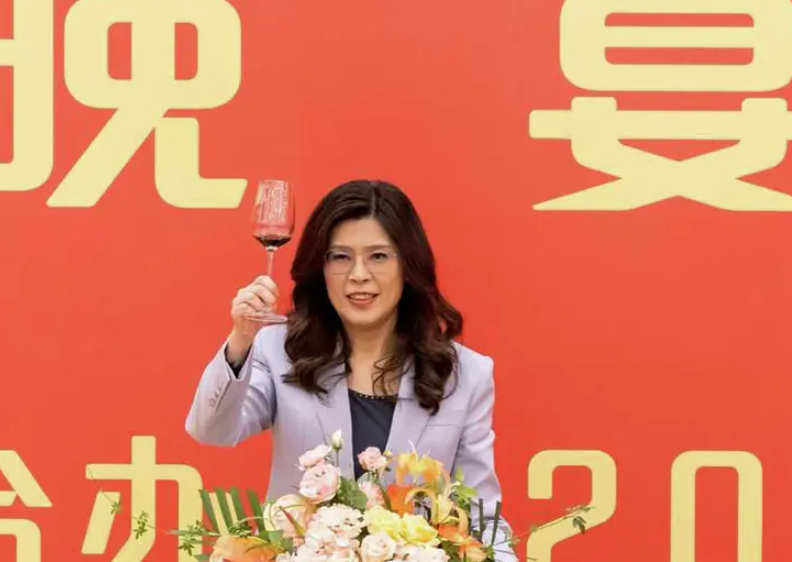

Tensions between Taiwan and China remain high as a senior opposition leader visits China with a message of peace. Her “peace mission” comes at a time of rising military activity, highlighting the contrast between calls for dialogue and ongoing tensions in the region.
A Message of Peace Delivered from Shanghai
A senior opposition leader from Taiwan shared a strong message of peace during her visit to China, urging calm at a time of rising military tensions. Speaking in Shanghai, she said the skies should be filled with birds, not missiles, and the seas with fish, not warships. Her simple words carried a powerful meaning.
The visit was described as a “peace mission” aimed at reducing tensions between Taiwan and China, which have increased in recent months. Her presence has drawn attention as military activity around Taiwan continues.
China uses disguised drone flights in South China Sea amid Taiwan tensions
While addressing reporters at a major port, she used poetic language, recalling how ancient sailors once called the sea the “road of the whale.” She said such ideas reflect humility and respect for nature. Her message highlighted the importance of choosing peace over conflict. She emphasized that nature should remain undisturbed, instead of being overshadowed by weapons and military actions.
Rising Military Activity Around Taiwan
Even as the peace message was being shared, military activity around Taiwan continued. According to official updates, several aircraft and warships were detected near the island within a single day. This ongoing presence has raised concerns among leaders and citizens alike.
The situation reflects growing tension in the region. China considers Taiwan as part of its territory and has increased its military pressure in recent years. On the other hand, Taiwan sees itself as self-governed and has its own elected leadership.
Chinese J-16 deploys flares during close encounter with Taiwanese F-16 over Taiwan Strait
Officials in Taiwan have pointed out that the continued military presence sends a strong signal. They say it shows that the pressure is not decreasing, even during efforts to promote peace. Some leaders have described the situation as serious and worrying.
At the same time, calls have been made for direct communication between both sides. Taiwan’s administration has urged China to engage in dialogue rather than relying on military actions. They have also asked that threats be reduced to create a safer environment for everyone.
Despite these appeals, China has not shown willingness to hold talks with Taiwan’s current leadership. This has added another layer of difficulty to an already tense situation.
Words Inspired by History and Hope
During her speech, the visiting leader also quoted a famous poem from World War One. The lines spoke about remembering those who lost their lives in war and the importance of keeping faith with them. By sharing these words, she reminded people of the heavy cost of conflict.
She said that while past generations may not have always achieved peace, today’s people still have a chance to do better. Her message was clear: peace is still possible if people choose it.
Her words were broadcast live on television in Taiwan, allowing many people to hear her message directly. The speech quickly became a topic of discussion, especially because it came at a time when tensions are already high.
B-21 and F-47 fleets too small to strike deep inside China in Taiwan war, report warns
The visit is expected to include more meetings, possibly at higher levels. These discussions are seen as part of efforts to keep communication open, even when disagreements remain strong.
Meanwhile, reactions in Taiwan have been mixed. Some see the visit as a positive step toward reducing tension. Others believe that stronger actions are needed to address the military pressure.
As the situation continues to develop, both the message of peace and the reality of military activity remain side by side. The contrast between words and actions highlights the challenges faced in maintaining stability in the region.