
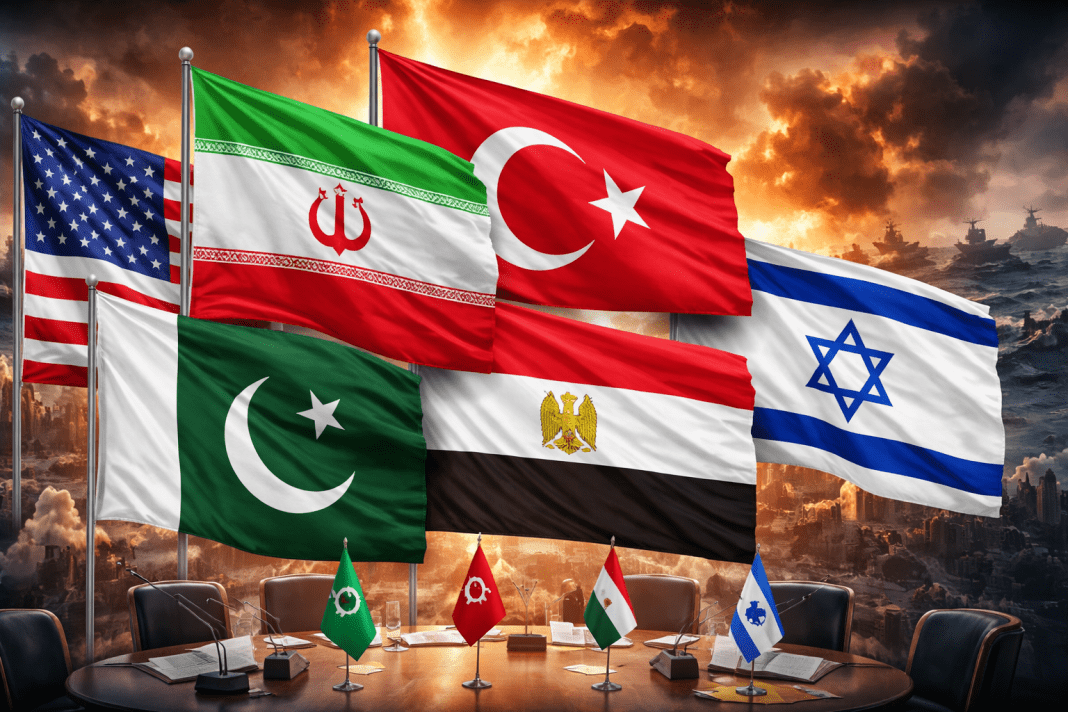

Tensions in the Middle East remain high. The United States and Iran are communicating indirectly through mediators. Countries like Pakistan, Turkey, and Egypt are helping pass messages. Reports suggest they may also be trying to arrange talks. However, there is no official confirmation yet.
An Iranian Foreign Ministry official said messages from Washington have been received. These points are now being reviewed. This shows some level of engagement. Still, public statements from both sides do not match.
Meanwhile, Donald Trump said there have been “very good and productive conversations.” He also hinted at possible agreements. However, Iranian authorities have strongly denied that any formal talks are taking place.
Mediation Efforts Intensify Amid Conflicting Claims
The situation has become more complex due to mixed messaging from different leaders. While Washington hints at progress, Tehran has pushed back strongly. Iranian Parliament Speaker Mohammad Bagher Ghalibaf dismissed the claims of negotiations, stating that no such talks have taken place. He also accused the US of trying to influence global financial and oil markets through such statements.
“Just ask… we’ll come”: Iran reacts to Trump’s Greenland remarks
Despite these denials, mediation efforts appear to be gaining momentum. Countries like Pakistan, Turkey, and Egypt are actively involved in facilitating communication between the two sides. These nations often act as neutral intermediaries in global conflicts, helping rivals exchange messages without direct contact.
Reports indicate that Islamabad has offered to host a high-level meeting between US and Iranian officials. This shows Pakistan’s willingness to play a central diplomatic role in easing tensions. The involvement of multiple mediators also suggests that the situation is serious and requires coordinated international effort.
Meanwhile, a senior official from Israel has acknowledged that “contacts are underway” to organize such a meeting. This statement adds another layer to the ongoing developments, as Israel is closely monitoring any potential agreement between the US and Iran.
Islamabad Emerges as Possible Venue for Talks
One of the most talked-about developments is the possibility of Islamabad becoming the venue for crucial discussions. Reports suggest that a meeting involving senior US and Iranian representatives could take place there as early as this week.
There are also indications that US Vice President JD Vance may represent Washington if such talks happen. However, no official confirmation has been provided by the White House.
White House Press Secretary Karoline Leavitt addressed the situation cautiously. She stated that these are sensitive diplomatic matters and emphasized that nothing should be considered final until officially announced. Her comments highlight the uncertain and evolving nature of the situation.
According to reports, even Israeli officials were surprised by the public statements made by Donald Trump about progress in talks. This suggests that not all parties involved are fully aligned or informed about the developments.
War Tensions and Diplomatic Signals Collide
The backdrop to these diplomatic efforts is the ongoing tension involving the US, Iran, and Israel. The region has been on edge due to rising hostilities and threats of military action. At one point, Donald Trump had issued an ultimatum to Iran and even considered strikes on its energy infrastructure. However, he later delayed such actions, possibly to allow room for diplomacy.
The mention of “15 points of agreement” by Trump has raised eyebrows, especially since Iran has denied any negotiations. This contrast between public statements and behind-the-scenes communication reflects the complexity of international diplomacy.
British nuclear submarine HMS Anson moves into strike range of Iran amid widening Middle East war
Countries like Turkey and Egypt have historically played balancing roles in regional conflicts. Their involvement in this situation indicates an effort to prevent further escalation. Pakistan’s offer to host talks also shows how multiple nations are stepping in to reduce tensions.
At present, there is no officially confirmed meeting, agreement, or direct negotiation between the United States and Iran. However, the exchange of messages through mediators and the preparation for possible talks suggest that diplomatic channels are active.
The situation remains fluid, with governments carefully choosing their words in public while continuing discussions privately.