
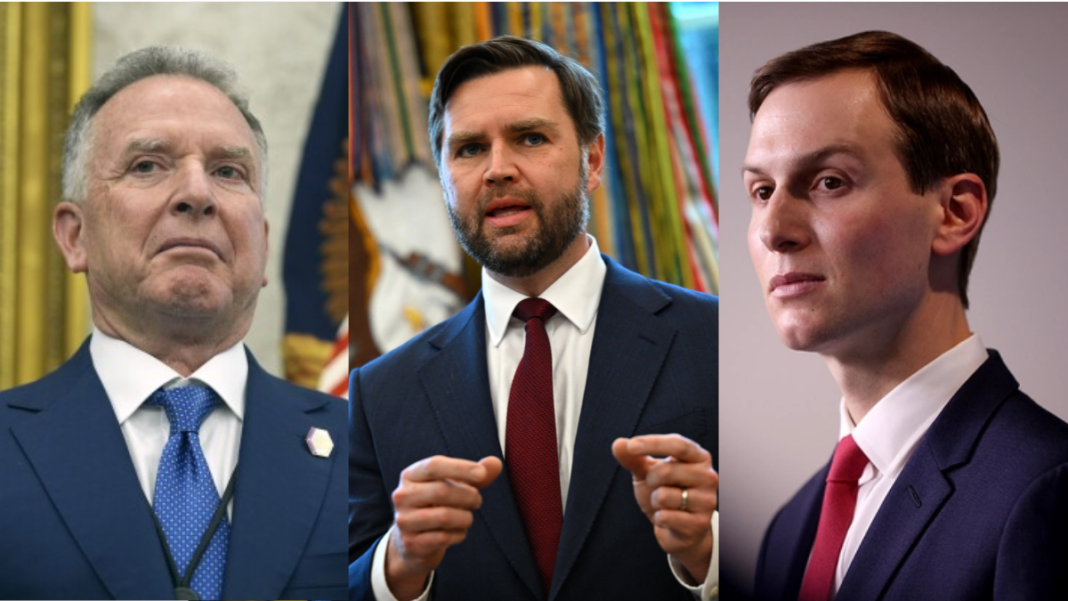

Iran has signaled a fresh shift in its approach to tensions with the United States. Iranian representatives have expressed a clear preference on who they want to engage with in negotiations. Reports say Iran does not want to resume talks with Steve Witkoff and Jared Kushner. Both were involved in earlier diplomatic efforts. This decision marks a clear change in strategy. It also shows concern over how past negotiations were handled.
Iran now appears more open to talks with JD Vance. This choice points to a deeper trust issue. Earlier negotiations had failed. Since then, tensions have increased. Military actions involving the United States and Israel have also taken place. Iran is acting cautiously. It wants a different approach this time. It is trying to avoid the setbacks seen in earlier talks.
Iran Negotiation Trust Concerns
White House eyes Iran’s Parliament Speaker Ghalibaf as potential key to future talks
At the same time, the United States has indicated that its approach remains broad and inclusive of multiple key figures. The leadership has made it clear that negotiations are being handled by a team rather than a single individual. This shows that the US is maintaining a structured and coordinated approach to diplomacy despite the challenges.
The situation has also drawn attention to how sensitive international negotiations can be. A change in negotiators, tone, or approach can influence how talks progress. In this case, Iran appears to believe that engaging with a different representative could open the door for more constructive discussions.
Perceptions of Leadership and War Intentions
JD Vance Warns of Rising Danger as China and Russia Eye Greenland
Additionally, Karoline Leavitt has clarified that the final decision on who negotiates rests with the President. This reinforces the idea that while many people may be involved, the overall direction is set at the highest level.
Recent remarks from Donald Trump have also influenced the situation. The President has stated that the United States has achieved a strong position in the conflict, including claims about significant damage to Iran’s naval and air capabilities. Such statements can affect how negotiations are viewed by both sides, especially when it comes to power balance and confidence.
Pakistan’s Offer Adds New Dimension
Iran TV live sports feed abruptly cut as alleged hack airs Trump and Netanyahu
Pakistan’s proposal highlights its interest in playing a constructive role in promoting regional stability. By offering to support dialogue, it is positioning itself as a potential bridge between two countries facing serious tensions. Such efforts can sometimes help restart stalled negotiations or create new opportunities for engagement.
At the same time, the success of any mediation effort depends entirely on the willingness of both parties to participate. The United States and Iran would need to agree on the terms and structure of such discussions. Until then, the situation remains complex, with multiple factors influencing how events unfold.