
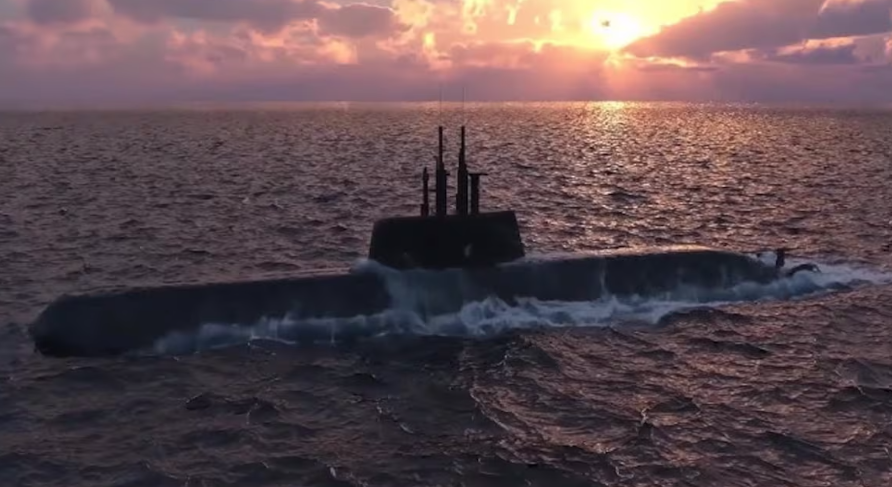

South Korea is aiming to win Canada’s next-generation submarine program, a deal worth up to 60 trillion won, by offering more than just submarines. The country plans a government-to-government strategy that links defense capabilities with industrial, technological, and energy cooperation, targeting Canada’s priorities like the “Buy Canadian” policy and resource security to secure the defense contract.
Korea’s Strategy: Beyond Submarine Performance in the Defense Contract
South Korea is emphasizing a comprehensive approach that combines advanced technology with industrial partnerships. While the submarines themselves are high-tech, the country is aiming to show Canada that it can offer more than just military hardware. The government plans to include energy partnerships, critical mineral processing, and advanced manufacturing capabilities in its cooperation strategy.
The strategy also highlights areas where Korea can outshine competitors, such as space technology, satellite communications, Arctic sea route monitoring, and midstream processing of critical minerals. These offerings aim to appeal to Canada’s long-term interests and national security priorities, rather than focusing solely on the submarine’s combat capabilities.
By linking industrial and technological contributions with national defense needs, Korea aims to position itself as a reliable partner for Canada, offering not just a product, but a full-scale strategic collaboration to secure the defense contract.
Coordinated Effort Across Government, Industry, and Defense Contract Initiatives
To ensure a strong bid, South Korea is planning a coordinated effort that involves multiple government agencies, the National Assembly, and major industrial companies. Officials are preparing to present the submarine project as a national strategic initiative rather than a simple business contract. The approach aims to deliver a comprehensive defense contract package.
The government intends to operate a central task force to coordinate interagency efforts. This includes diplomacy, defense, trade, finance, and technology, all working together in a “one-team system.” The goal is to present Canada with a seamless and flexible partnership, addressing both industrial and diplomatic needs.
South Korea to Get U.S. AGM-65G2 Maverick Missiles — Precision Firepower to Deter Regional Threats
High-level government visits are also part of the strategy. Officials from the trade, industry, and national security ministries will travel to Canada later this month. They will discuss the industrial cooperation package with Canadian authorities and industry leaders. Leading South Korean companies involved in the submarine bid will participate, further showing the country’s commitment to a long-term defense contract partnership.
Competition with Germany and the Global Defense Market
Germany, through its ThyssenKrupp Marine Systems, is Korea’s main competitor in the Canadian submarine program. Germany is presenting a structured proposal that includes Arctic cooperation, energy partnerships, critical mineral agreements, and naval technology collaboration. The German bid is seen as highly organized and aligned with Canada’s policy priorities.
Korea’s approach is designed to differentiate itself by offering capabilities that Germany has not fully presented. By combining industrial, technological, and defense strengths, Korea hopes to provide a more comprehensive and flexible solution for Canada’s strategic needs, strengthening its bid for the defense contract.
Canada moves to finalize submarine deal as Germany and South Korea compete for navy contract
Experts emphasize that the difference between winning and losing this defense contract may not be about the submarines themselves, but how well the bid aligns with Canada’s national goals. By integrating government support, industrial capabilities, and technological innovation, Korea is presenting itself as a partner that can meet Canada’s long-term objectives and secure the coveted defense contract.
This strategy highlights Korea’s growing confidence in tackling complex global defense projects. The government-wide approach aims to deliver a unique combination of technology, industrial cooperation, and strategic alignment to win one of the world’s most significant defense contracts.