
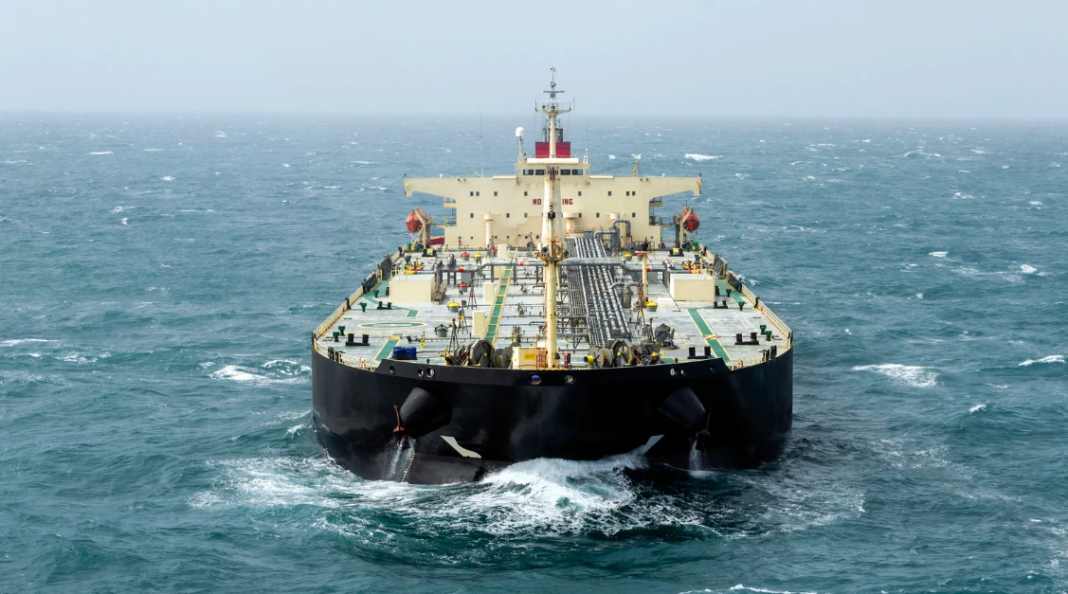

In a dramatic change in global oil trade, seven large tankers carrying Russian oil, initially destined for China, have turned around mid-journey and are now heading toward India. The sudden rerouting comes as India steps up efforts to secure energy supplies amid disruptions caused by the ongoing conflict in Iran. These shifts underline how geopolitical events can quickly reshape the flow of global energy and Russian oil.
India Becomes Unexpected Destination for Russian Oil
The Aqua Titan, a medium-sized crude oil tanker, is scheduled to arrive at New Mangalore port on Saturday, March 21. Earlier, the tanker loaded Russian oil at a Baltic Sea port in late January and had originally planned to deliver it to the Chinese port of Rizhao.
However, just days after the United States granted India a temporary waiver to buy sanctioned Russian oil, the Aqua Titan changed its course and is now heading to India. Meanwhile, another tanker, the Suezmax Zouzou N, also reversed its route and is expected to arrive at Sikka port in Gujarat’s Jamnagar region around March 25.
Russian oil revenues jump $1.3 billion as Strait of Hormuz crisis shifts global supply
These unexpected changes show how quickly tanker routes carrying Russian oil can shift in response to new rules and global disruptions. Data from maritime tracking firms confirmed the course changes, highlighting India’s growing role in redirecting Russian oil during this turbulent period in international oil markets.
Disruptions in the Strait of Hormuz Fuel Rerouting
The backdrop to these changes is the ongoing conflict in the Middle East, which has heavily disrupted oil shipping through the Strait of Hormuz. This narrow waterway is a key global passage, carrying about one-fifth of the world’s oil and gas. Since the conflict began, Iran’s actions have slowed ship movements, causing delays and forcing traders to find alternate routes.
These disruptions have made it harder for countries to access oil from the Middle East, pushing nations like India to look for other sources. At the same time, the United States issued a temporary 30-day waiver that allows India to buy Russian oil already stranded at sea.
Pakistan signals negotiated safe passage as state-run tanker clears the Hormuz blockade
The waiver lets Indian refiners legally acquire crude that international sanctions would otherwise have restricted. The combination of supply disruptions and this temporary approval triggered the sudden rerouting of several tankers from China to India.
India acted quickly to take advantage of this window. In just one week, Indian refiners purchased about 30 million barrels of Russian oil. This rapid surge in imports shows how sensitive global energy supply chains are to political events and shipping disruptions.
Tanker Movements Reflect Changing Energy Priorities
The recent shift of seven Russian oil tankers, originally bound for China, toward India highlights growing uncertainty in the global oil market. Shipping through the Strait of Hormuz has become increasingly unreliable due to regional tensions, forcing some oil that would normally reach China to be redirected to India. This is significant because China has long been one of the largest buyers of Russian crude.
Ship tracking firms report that dozens of other Russian tankers remain in Asian waters, waiting for new instructions. The sudden rerouting shows how quickly oil shipments can respond to geopolitical tensions and regulatory changes. Even small disruptions along key shipping routes can create ripple effects across the global market, pushing countries to adapt rapidly to secure energy supplies.
In a major shift, survey finds citizens of key Western allies now trust China over the United States
India’s role as an alternative buyer of Russian oil has grown amid these changes. The temporary U.S. waiver allowing Indian refiners to import sanctioned Russian oil has enabled the country to secure steady fuel supplies despite disruptions in other shipping routes. The waiver has created a rare window for Indian refiners to act quickly and maintain their energy needs.
These developments demonstrate the volatility of global energy trade and how rapidly shipping routes can shift when nations act to protect vital resources. The sudden U-turns of the seven tankers underline the unpredictable nature of international oil markets and the impact of geopolitical tensions, sanctions, and maritime disruptions on global crude flows.