
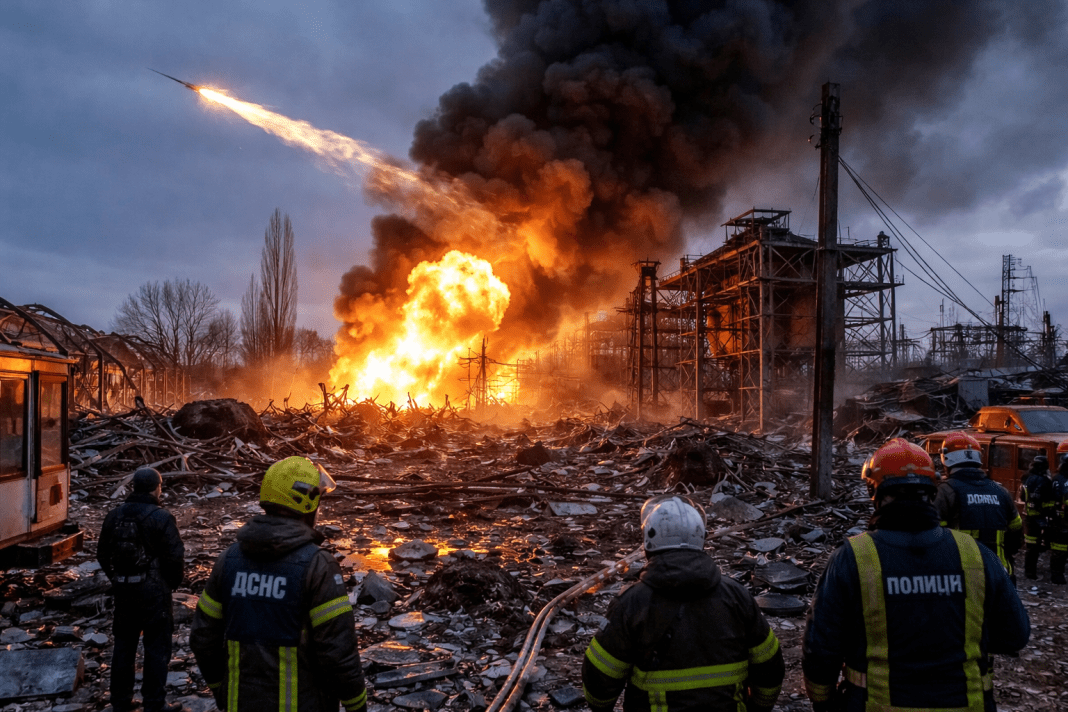

Canada and several European countries have strongly condemned Russia for using a hypersonic missile in Ukraine, calling it a dangerous escalation. The missile struck western Ukraine, damaging energy facilities and civilian areas. The weapon is extremely fast and hard to stop, and Russia has warned it could be used against countries supporting Ukraine. Officials say the strike raises tensions, spreads fear, and signals a more serious stage in the conflict.
A Powerful Missile and Why It Matters
The weapon used in the attack belongs to a new category called hypersonic weapons. These move much faster than traditional arms, sometimes many times the speed of sound, and can change direction mid-flight, making them very difficult to detect and intercept. Most air defence systems are designed to track projectiles following predictable paths, so hypersonic weapons are much harder to stop.
Russia has stated that this missile, known as the Oreshnik missile, can bypass defence systems and reach its target with little chance of being intercepted. It is also capable of carrying a nuclear warhead, though it was not used that way in this strike. The launch of a nuclear-capable missile, even with a conventional warhead, has alarmed many countries.
Ukraine strengthens air shield with new Patriot systems against hypersonic missiles
This was only the second known use of the missile, raising concern that such weapons could become more frequent in the conflict. Experts warn that introducing such powerful weapons can change the way wars are fought and increase risks for everyone involved.
The missile strike hit multiple targets, including critical energy infrastructure needed for heating, electricity, and daily life. Residential areas were also damaged, creating fear and anger among civilians. For ordinary people, this means more power outages, home damage, and daily life disruptions. For other countries, it signals a more unpredictable and dangerous phase in the war.
International Reaction and Rising Tension
Canada and several European countries have condemned Russia’s hypersonic missile strike in Ukraine, calling it a serious escalation. Officials warn that the attack shows the conflict is becoming more dangerous and could worsen if such weapons are used again. The strike also seems to send a warning to countries supporting Ukraine, suggesting that more direct help could provoke even stronger attacks.
Ukraine has requested international meetings to discuss the missile, the first such talks since its use over a year ago. These discussions aim to alert other countries to the threat and explore ways to respond. The missile launch came just days after Ukraine and its allies agreed on measures to protect the country if a U.S.-led peace process succeeds, making the attack both a political message and a physical threat.
Tensions have also risen through sanctions. Russia recently imposed restrictions on Canadians of Ukrainian origin in retaliation for earlier Canadian sanctions. This shows that the conflict is being fought not only on battlefields but also through political and economic pressure.
For Canada, which strongly supports Ukraine, the strike is a serious concern. European nations have expressed similar worries, saying that hypersonic weapons lower barriers for more extreme actions and make it harder to manage the conflict safely. The international reaction highlights the growing risks of the ongoing war.
The Impact on Civilians and Daily Life
While political and military discussions dominate, the main impact is on Ukrainian civilians. The missile strikes damaged energy systems, causing problems with electricity, heating, and water. During cold months, these disruptions become serious threats to health and safety.
Residential areas were affected as well, adding to the stress and fear civilians experience daily. Families face more nights worrying about air raid alerts, spending time in shelters, and wondering if their homes or schools will remain safe.
The speed and difficulty of intercepting hypersonic missiles make daily life even more stressful. People know that defences may not always protect them, creating heightened anxiety.
For international observers, the strike highlights that the war is intensifying and becoming more dangerous. Canada’s condemnation shows that the country, alongside others, is deeply concerned about this trend. Diplomatic actions, sanctions, and military moves are all happening at the same time. The use of this hypersonic weapon adds a new and worrying chapter to the conflict. It demonstrates growing risks for Ukraine and the wider world.