
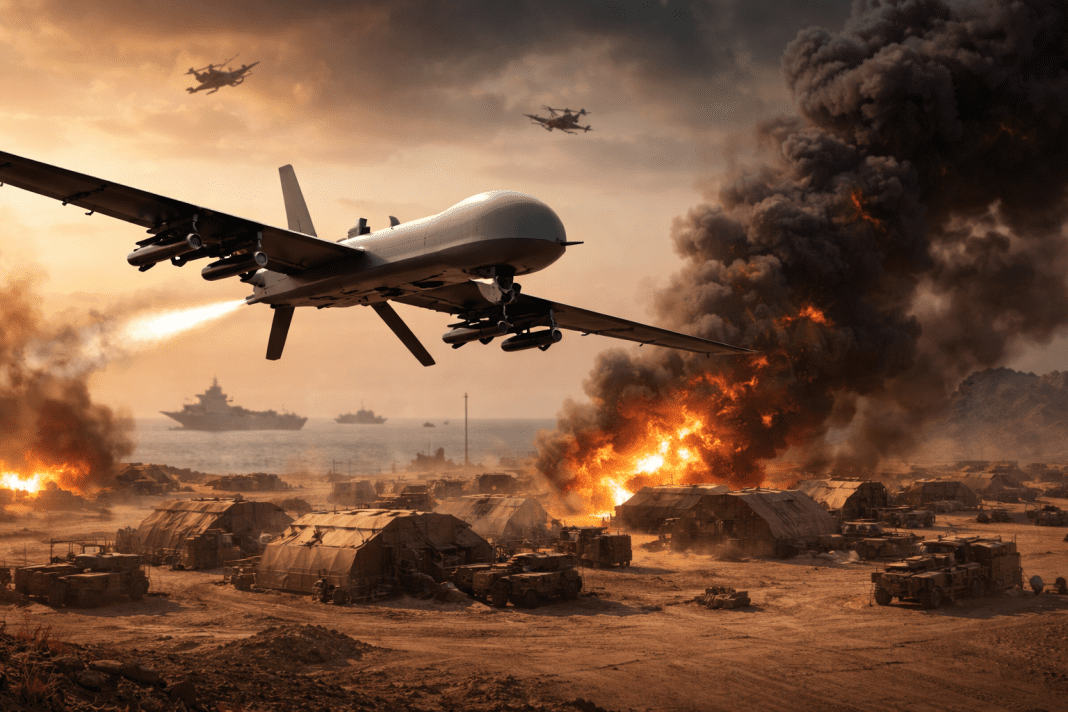

New intelligence reports indicate that Russia is assisting Iran by sharing sensitive information about the locations and movements of United States military forces. This intelligence reportedly includes details about American troops, naval ships, and aircraft operating in the region, marking a significant development in the ongoing conflict. The sharing of such information represents the first clear evidence that Russia may be actively supporting Iran, highlighting a deeper level of involvement than previously known.
Reports Reveal Intelligence Sharing Between Russia and Iran
The intelligence reportedly comes from sources familiar with the matter. Much of it is believed to come from satellite imagery collected by Russia’s advanced network of surveillance satellites. These satellites orbit the Earth and capture detailed images of activities on land, at sea, and in the air, making them valuable tools for military planning.
Using this satellite data, Iran can track where American forces are positioned and how they are moving. This information allows military planners to make more informed decisions about when and where to launch attacks, giving them a strategic advantage on the battlefield.
It remains unclear whether Russia is receiving any direct benefits in return for sharing the intelligence. However, the cooperation reflects a growing military relationship between the two countries. Analysts note that such intelligence sharing can significantly influence battlefield strategy by providing one side with critical insights into its opponent’s movements.
Drone Attacks Raise Questions About Targeting Information
Recent Iranian drone attacks have raised concerns that shared intelligence may already be influencing combat operations. Several Iranian drones struck locations where American troops were stationed, showing the growing threat of unmanned attacks in the region.
One deadly strike saw an Iranian drone hit a temporary US military facility in Kuwait, killing six American service members housed there during ongoing operations. This underscores the risks troops face in forward positions.
Defense experts have noted the timing and precision of these attacks, although they have not confirmed whether Russian intelligence directly guided the strike. Modern drones can travel long distances and strike accurately, and combining them with satellite intelligence makes them even more effective.
Military officials are closely monitoring the situation. They track communications and activities involving multiple countries, assess how foreign powers influence the conflict, and identify and address any potential threats to American forces promptly.
China Reportedly Considering Support While Monitoring Oil Risks
In addition to Russia’s involvement, intelligence reports indicate that China may be considering ways to support Iran. Potential aid could include financial assistance, spare parts for military equipment, and components for missile systems. However, China has remained cautious and has not directly entered the conflict so far.
China has strong economic ties with Iran, particularly in the energy sector. The country relies heavily on oil shipments from the Middle East, including Iranian oil, making the stability of shipping routes a key concern. The Strait of Hormuz, a narrow but critical waterway through which a large portion of the world’s oil passes, is especially important. Any disruption could affect global energy markets and trade, prompting Chinese officials to reportedly urge Iran to maintain safe passage for commercial vessels.
Iran races to harden missile arsenal with Russian help as fears of U.S. or Israel strike grow
Meanwhile, the conflict involving Iran has escalated into a large-scale military operation. The United States has deployed more than 50,000 troops, over 200 fighter jets, and two aircraft carriers to the region. The operation aims to target Iran’s ballistic missile capabilities, which pose a major threat to regional stability and have shielded Iran’s nuclear program.
The situation highlights the complexity of the conflict, as multiple international actors participate either directly or indirectly. Russia shares intelligence, and China provides cautious support, showing how regional dynamics depend not only on immediate military actions but also on broader strategic and economic interests. Military officials continue to closely monitor developments, emphasizing the importance of intelligence, satellite data, and drone technology in shaping modern warfare.