
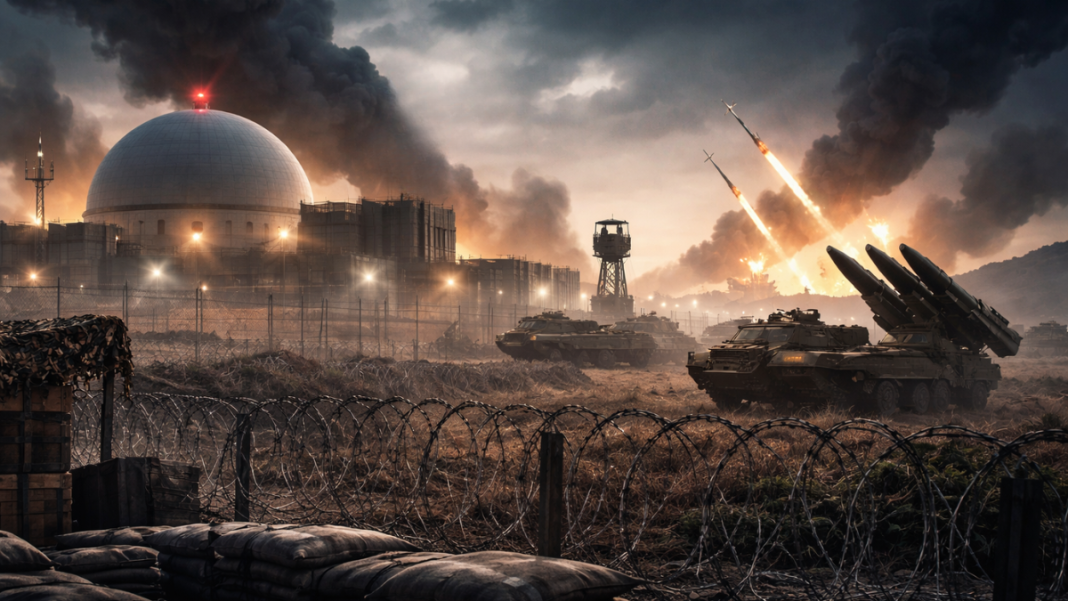

Rising tensions in the Middle East have intensified. Reports say Russia is preparing plans to secure Iran’s nuclear infrastructure. This follows a breakdown in communication with Tehran’s nuclear leadership. The regional conflict is also expanding. Military activity and security alerts are increasing across several countries.
Russia Prepares to Secure Iran’s Nuclear Infrastructure
Reports say Russia is planning a possible move to secure Iran’s nuclear facilities and the scientists working there. The plan is believed to be part of an emergency effort to protect sensitive nuclear materials if Iran’s internal command system collapses during the ongoing conflict.
The reported step comes after a complete breakdown in communication with senior figures connected to Iran’s nuclear program. Without coordination, concerns have grown that nuclear materials could become vulnerable if the situation inside the country becomes unstable.
CIA weighs arming Kurdish forces to pressure Iran along volatile western border
Military planners are focusing on protecting research centers, nuclear technology, and personnel linked to the program. They aim to prevent these assets from falling into the wrong hands if parts of the country lose central control.
Russian authorities are also including rapid deployment options and coordination with military units already operating in the region in their contingency planning. These preparations highlight the seriousness of the crisis surrounding Iran’s nuclear infrastructure
Ideological Messaging and Expanding Military Operations
At the same time, reports from the battlefield suggest that ideological messaging is influencing how some troops are viewing the conflict. Soldiers have reportedly been told by officers that the war is connected to a larger “divine plan for Armageddon.” Such language has raised concerns about how the conflict is being framed within certain military units.
Military operations themselves continue to intensify. Recent reports indicate that the United States has lost nearly two billion dollars worth of military equipment during the fighting. The losses include aircraft, weapons systems, and other hardware used in the ongoing campaign.
Despite these setbacks, the Pentagon is reportedly moving forward with a request for approximately 50 billion dollars in additional funding. The funds are intended to support a major offensive operation known as the “Big Wave” campaign.
This offensive has involved large-scale air operations, missile launches, and coordinated strikes against strategic targets. Military planners say the funding is necessary to maintain operational momentum and support forces deployed across multiple locations.
Large conflicts often lead to rapid spending increases as governments replace damaged equipment and maintain supply lines. Defense budgets can expand quickly during wartime to support troop movements, logistics, and advanced technology systems.
The financial scale of the current campaign reflects how wide the conflict has become. Multiple nations are now involved either directly or indirectly, which increases the cost and complexity of military operations.
Missile Interceptions, Energy Threats, and Rising Civilian Impact
The conflict is now spreading beyond the battlefield into wider international security concerns. NATO defense systems in Turkey recently intercepted an Iranian ballistic missile. Officials said the missile was detected and destroyed before reaching its target, showing how nearby countries are becoming more involved in the crisis.
Ballistic missile defense systems rely on advanced radar and rapid response technology. These systems detect incoming missiles and launch interceptors to destroy them in the air. The recent interception highlights the growing risk of cross-border attacks as the conflict expands.
Iron Dome strain in Israel-Iran war pushes India to double S-400 missile shield
Energy security has also become a major concern. Russia has warned that it could halt natural gas supplies to Europe. Many European industries depend heavily on gas for power and manufacturing. Experts say a sudden supply shutdown could disrupt factories, transportation systems, and heating across the continent.
At the same time, unrest connected to the conflict has caused deadly violence elsewhere. In Pakistan, a violent breach at the United States Consulate in Karachi led to 11 deaths after crowds forced their way past security barriers.
Inside Iran, officials continue to reject negotiations and say the country is ready for a “long war,” increasing fears as global forces remain on high alert around Iran’s nuclear infrastructure.