
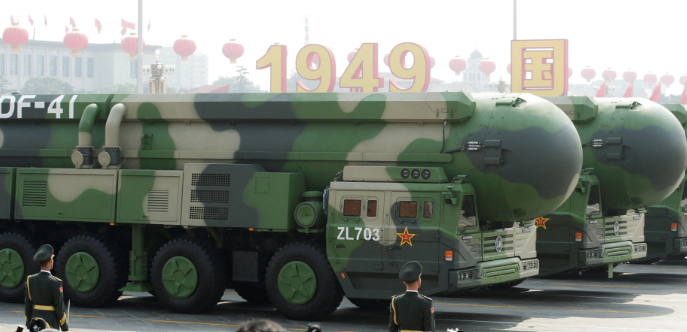

China is facing scrutiny over a military purge. Reports claim some missiles were filled with water instead of fuel. This has raised concerns about corruption and the PLA’s readiness. The reported detention of General Zhang Youxia has drawn global attention.
Military purge and detention of top general
President Xi Jinping has reportedly launched a wide-ranging military purge to address corruption and security breaches within the People’s Liberation Army. As part of the crackdown, authorities reportedly detained senior general Zhang Youxia, a long-time ally of Xi, on January 19, making it one of the most high-profile actions of the campaign.
Reports allege that General Zhang leaked sensitive nuclear weapons information to the United States and accepted bribes in exchange for promotions. Although Chinese authorities have not publicly detailed the charges, state-linked media have strongly emphasized the need to combat corruption within the military, describing it as a serious threat to national security and discipline.
China conducts PLA patrols around Huangyan Island to safeguard sovereignty and monitor activity
The South China Morning Post cited the PLA Daily, the Chinese military’s official newspaper, which called for “strong and forceful measures” to crack down on corrupt practices. This language reflects a tough stance from the leadership and shows that officials view corruption as a direct risk to combat readiness.
International analysts say the purge aims not only to punish individuals but also to restore trust, discipline, and effectiveness across the armed forces, sending a clear message that no rank is beyond scrutiny.
Equipment failures and water-filled missile claims
One of the most serious aspects of China’s military purge is its reported connection to major equipment failures within the country’s missile forces. In 2024, Bloomberg reported that the crackdown followed the discovery of serious flaws in missile infrastructure, including missile silos in Xinjiang fitted with heavy lids that could prevent missiles from launching properly.
U.S. intelligence sources cited claims that inspectors found some Chinese missiles filled with water instead of fuel. If accurate, these findings would signal a major breakdown in military readiness, since such missiles would be unusable in a real conflict. The reports raised concerns about quality control and the scale of the problem.
Russia’s Iskander missile production rises threefold, fueled by growing industrial ties with China
Analysts have linked these reports to the removal of senior officials from the PLA Rocket Force, which oversees China’s missile arsenal. They now believe that leadership changes in 2023 and 2024 stemmed from the same equipment failures and corruption concerns.
There is, however, debate over the water-filled missile claims. The Asia Times noted that China does not store liquid-fueled rockets with propellant, suggesting that water could indicate deliberate sabotage rather than neglect. Regardless of the cause, the reports point to serious oversight and management failures that have shaken confidence in China’s military systems.
Strategic context and rising regional tensions
China’s military purge is taking place amid rising regional tensions, especially around Taiwan. China claims Taiwan as part of its territory under the One China Policy and has stepped up military drills near the island in recent years. These exercises have drawn close attention from neighboring countries and major global powers.
According to India Today, some CIA analysts believe China could consider military action against Taiwan around 2027. While such assessments remain speculative, they help explain why Beijing appears focused on strengthening discipline and readiness within its armed forces.
Jonathan Czin of the Brookings Institution said President Xi Jinping is “laser-focused” on operational issues and wants a military capable of handling real-world challenges. From this viewpoint, the purge is intended to uncover weaknesses, remove compromised officials, and restore order across the ranks.
The Telegraph linked the reported removal of General Zhang Youxia to a wider purge of the PLA Rocket Force leadership. The report suggested that problems such as heavy missile silo lids and allegations of water-filled missiles contributed to the crackdown, as these issues could limit China’s missile deployment capability.
Beyond equipment concerns, accusations of espionage and corruption highlight deeper internal vulnerabilities. Data leaks and bribery in promotions can weaken trust and command structures. As developments continue, governments and analysts worldwide are closely watching what has become a major moment for China’s military.