
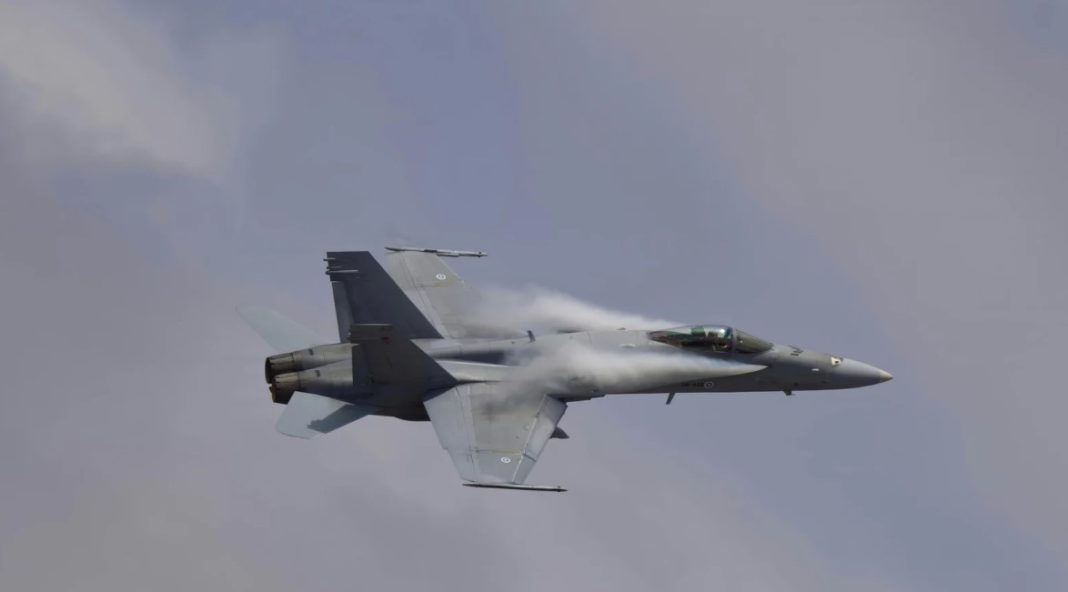

Poland has taken swift action to protect its skies after Russia carried out airstrikes in western Ukraine. These strikes occurred near the border with the NATO-member country. The Polish armed forces confirmed that fighter jets were immediately deployed. Air defense systems were put on high alert as part of a rapid response to the unfolding situation.
The Polish armed forces emphasized that these steps were preventive measures. They are designed to secure the country’s airspace, especially in areas close to the regions affected by the strikes. The move underscores Poland’s commitment to national security. It also highlights the readiness of the Polish armed forces to respond to potential threats.
Rapid Military Response by Polish Armed Forces Ensures Air Safety
On Tuesday morning, Polish armed forces and allied aircraft were scrambled from military bases. Immediately, they patrolled the skies near the border. These jets were joined by ground-based radar and air-defense systems. Meanwhile, the systems were activated to monitor any unusual activity.
The operational command of the Polish armed forces stated on social media platform X that the heightened readiness is not a response to any direct attack on Polish territory. Instead, it is a precautionary step. Its main goal is to ensure the safety of civilians and critical infrastructure in areas that could be affected by nearby military operations.
The Polish armed forces stressed that these measures are standard protocol. They are implemented whenever there is heightened tension near Poland’s borders. Airspace security is a priority. Furthermore, the forces are trained to respond quickly. In addition, they protect both military and civilian targets.
Coordinated Efforts With NATO Allies
Poland’s air patrols are being conducted not only with its own fighter jets but also in coordination with NATO allies. Allied aircraft are actively participating in surveillance and patrol missions, reinforcing the Polish armed forces’ defensive measures.
This cooperation highlights the strong ties between Poland and NATO partners. By working together, the forces can quickly identify potential threats, monitor air traffic, and respond efficiently if necessary. Such collaboration also ensures that no gaps exist in air defense coverage along the border regions.
The use of advanced radar reconnaissance systems allows the Polish armed forces to track aircraft movements in real time. These systems can detect even small or fast-moving objects, providing crucial information to pilots and air defense operators on the ground.
Preventive Measures Focused on Border Safety
Polish officials clarified that the actions taken were preventive in nature. Fighter jets were scrambled to deter any potential intrusion into Polish airspace, while ground-based air defense systems were fully activated by the Polish armed forces.
The operational command noted that these steps are part of a comprehensive defense strategy to protect the country’s borders and ensure the safety of residents in nearby areas. By maintaining a high level of alert, the Polish armed forces can react quickly to any unexpected developments.
Officials also pointed out that the military is continuously monitoring the situation in western Ukraine. The proximity of the conflict to Poland’s borders makes vigilance essential. Quick deployment of air assets and heightened radar surveillance allows the Polish armed forces to maintain control over national airspace and prevent any accidental spillover of hostilities.
The Polish armed forces emphasized that there were no reported violations of the country’s airspace. The measures taken are precautionary but necessary to maintain readiness in a tense regional environment.
By combining fighter jet patrols, radar reconnaissance, and allied support, the Polish armed forces are demonstrating their ability to secure airspace quickly and effectively. The preventive approach is aimed at deterring potential threats before they can impact the country, ensuring that citizens remain safe and national security is upheld.