
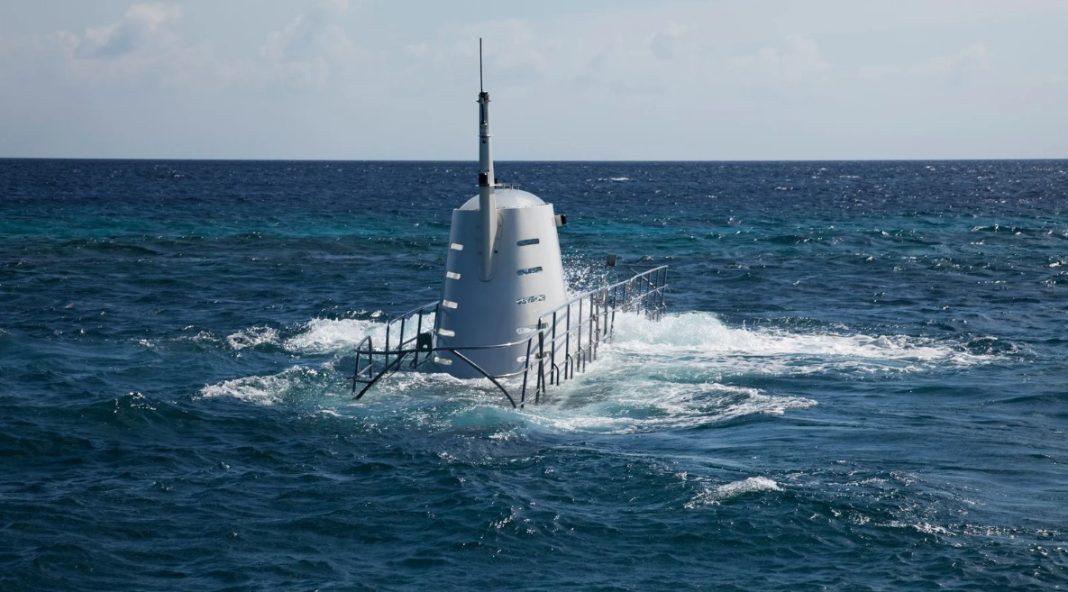

India has finalized a major submarine deal worth about $2 billion to lease a nuclear-powered attack submarine from Russia. This agreement has been completed after nearly ten years of discussions, technical reviews, and price negotiations. The deal comes at an important time, as Russian President Vladimir Putin arrives in New Delhi for his first visit since the start of the Ukraine conflict.
Key Steps Completed in India–Russia Submarine Deal
According to people familiar with the matter, Indian officials traveled to a Russian shipyard in November to complete the last stages of the submarine deal. They confirmed that India expects to receive the vessel within two years, although delays are possible because building a nuclear-powered submarine is a highly complex process.
This new submarine will be larger than the earlier nuclear-powered submarines India has operated. The agreement strengthens India’s long-standing military partnership with Russia, especially at a time when global politics is shifting and India is balancing relations between Moscow, Washington, and Beijing.
India moves to strengthen air defense by considering new S-500 systems from Russia
Russia and India have cooperated in the defense sector for decades, and this submarine deal reflects that deep strategic bond. Even as India buys more equipment from the U.S. and Europe, for some critical technologies—especially nuclear submarines—Russia remains India’s most reliable partner.
Putin’s India Trip and What the Submarine Deal Means
President Vladimir Putin’s visit to India this week highlights the importance of the new submarine deal, as both nations reaffirm their defense and energy cooperation. He is meeting Prime Minister Narendra Modi to discuss ongoing military programs, trade issues, and oil supplies.
Modi has recently worked to improve ties with both Russia and China, especially after the United States under President Donald Trump imposed 50% punitive tariffs on Indian goods. India faced these tariffs because the U.S. wanted to pressure it to reduce purchases of Russian oil. Indian officials say they are negotiating a trade arrangement with the U.S. to reduce these duties.
Ahead of Putin’s arrival, India’s Chief of Naval Staff Admiral Dinesh K. Tripathi said India would soon commission a new attack submarine. He gave no details but confirmed that India is expanding its submarine fleet, partly because it has signed the new submarine deal.
US Sanctions Shake India Russia Iran Oil Trade Amid Growing Tensions
India’s Ministry of External Affairs and Ministry of Defence did not comment on the agreement, and Russian agencies also remained silent. Sources familiar with the talks say the submarine deal includes a 10-year lease, similar to India’s previous arrangement for a Russian nuclear submarine that it returned in 2021.
According to the Nuclear Threat Initiative (NTI), India already fields submarine-launched ballistic missiles, giving it a nuclear triad. Only a few nations—the U.S., U.K., France, Russia, and China—have such advanced nuclear submarine technology, while Australia and South Korea are exploring similar capabilities through partnerships with the United States.
Why India Wants a Nuclear-Powered Submarine From Russia
Nuclear-powered submarines are crucial for large ocean regions like the Indian and Pacific Oceans because they can stay underwater for months, travel farther, and remain harder to detect than diesel-electric submarines. India’s new submarine deal with Russia lets it lease a nuclear-powered attack submarine mainly for training and operational experience. The agreement bars India from using the vessel in wartime but allows sailors to gain vital skills needed for India’s own nuclear-submarine program.
The submarine will remain with the Indian Navy for 10 years, with full maintenance support from Russia. This arrangement mirrors India’s previous lease of a Russian nuclear submarine, which helped train its first groups of nuclear-submarine crews.
India is also building nuclear-powered attack submarines and expanding its sea-based nuclear forces. Its third ballistic missile submarine is expected to join service next year. The Indian Ocean has become more competitive as major powers increase their presence, especially China. For India, the new submarine deal strengthens underwater defenses during this period of regional activity.
Despite reducing its overall dependence on Russian weapons, India still relies on Russia for advanced platforms such as nuclear-powered submarines. In July, former U.S. President Donald Trump criticized India’s ties with Moscow and imposed a 25% secondary tariff on U.S. imports from India to pressure New Delhi over Russian oil purchases. India has maintained that its choices are based on national interest, and the finalization of the submarine deal during Putin’s visit highlights the strength of India–Russia defense cooperation.