
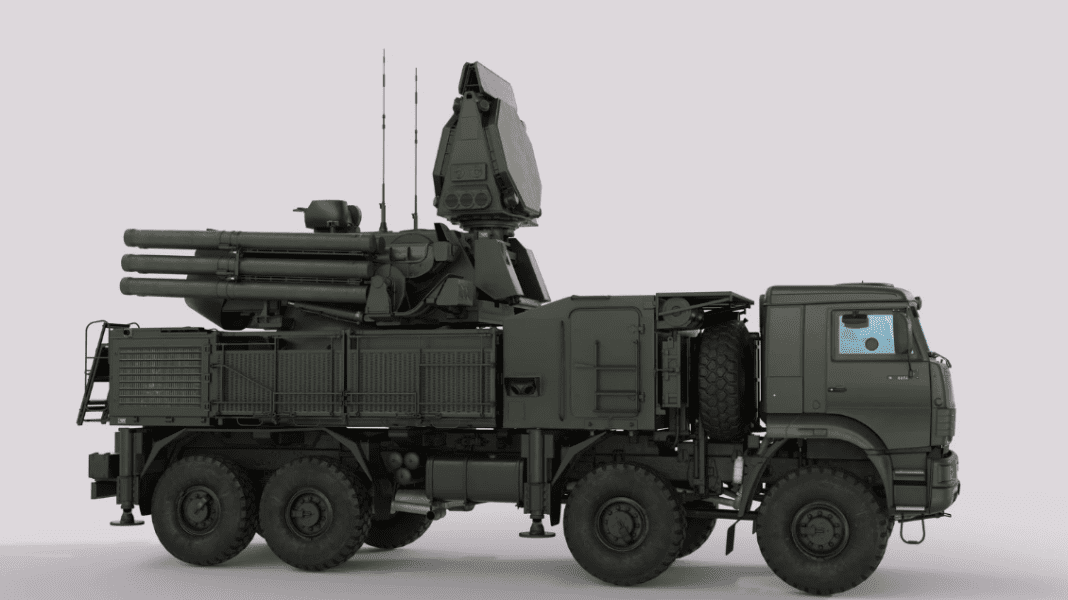

Lithuania has strengthened its air defense by ordering additional RBS-70 Bolide missiles from Sweden. The deal is worth €320 million and will cover air defense needs from 2026 to 2032. The missiles will support both new and older air defense systems. This includes systems previously sent to Ukraine. The move highlights the growing importance of short-range defenses against drones, helicopters, and cruise missiles. It also ensures that existing air defense systems remain fully operational.
A major purchase to protect Lithuania
The €320 million contract covers the purchase of RBS-70 Bolide missiles designed to counter low-flying threats such as aircraft, helicopters, cruise missiles, and drones. These missiles form a key part of Lithuania’s layered air defense, working with other systems to address different types of aerial risks.
The deal was signed under a broader framework agreement between Lithuania’s Ministry of Defense and Sweden’s Defense Materiel Administration. It supports Lithuania’s ongoing acquisition of the upgraded RBS 70 NG air defense systems, ensuring compatibility across both new and existing platforms.
Lithuania redraws its defense map as NATO’s eastern border comes into sharper focus
By securing missile supplies through 2032, Lithuania is ensuring its air defense units remain operational and reliable. The laser-guided RBS-70 system is difficult to disrupt and is especially effective against fast, low-flying drones, making it vital for daily airspace protection.
New and older systems supported by the same missiles
One important detail of this deal is that the missiles are not meant only for brand-new systems. Lithuania has been using the RBS 70 system since 2004, giving it more than 20 years of experience with this air defense technology. Over time, older systems remain in service and still need compatible missiles to function.
The newly ordered Bolide missiles can be used with both the modern RBS 70 NG systems and earlier versions already in use. This flexibility allows Lithuania to support multiple generations of equipment without needing completely separate supply chains.
Lithuania has been steadily adding new RBS 70 NG systems over the past year. In early December 2025, the country purchased its third battery of these modern systems. These are part of a mobile short-range air defense setup, often referred to as MSHORAD.
The mobile version is designed to be mounted on JLTV armored vehicles. This makes the system easier to move and deploy quickly where it is needed. A typical setup includes a missile launch unit, the Giraffe 1X radar, and a command-and-control system known as GBAD C2. Together, these components detect threats, track them, and guide missiles to their targets.
While the exact number of missiles and system components in this contract has not been publicly detailed, the focus remains clear. The deal ensures that both new mobile units and older stationary or vehicle-based units have the missiles they need to stay active and effective.
Missiles linked to Ukraine support and wider air defense efforts
Lithuania has supplied RBS 70 air defense systems to Ukraine as part of its military assistance. These systems have been used in real combat conditions and have shown strong performance. Reports say they have helped shoot down Russian Ka-52 attack helicopters. This combat use has highlighted the importance of short-range air defense in modern warfare.
The new €320 million missile order also supports systems transferred abroad. It helps replenish missile stocks. At the same time, it ensures that older RBS 70 units still in Lithuanian service remain fully operational. These systems are important not only against aircraft and helicopters. They are also used against drones and cruise missiles. Such threats are smaller, harder to detect, and often used in large numbers.
Lithuania’s air defense is built on multiple layers rather than a single system. Alongside RBS 70, the country also operates platforms such as NASAMS. Missile deliveries for those systems can take longer due to production schedules and global demand. In contrast, the RBS 70 missile supply is being secured in advance through this long-term contract.
Overall, the deal focuses on readiness and continuity. It ensures Lithuania’s air defense systems remain supplied. This includes systems shared with Ukraine. It also supports the ability to protect airspace against modern threats.