
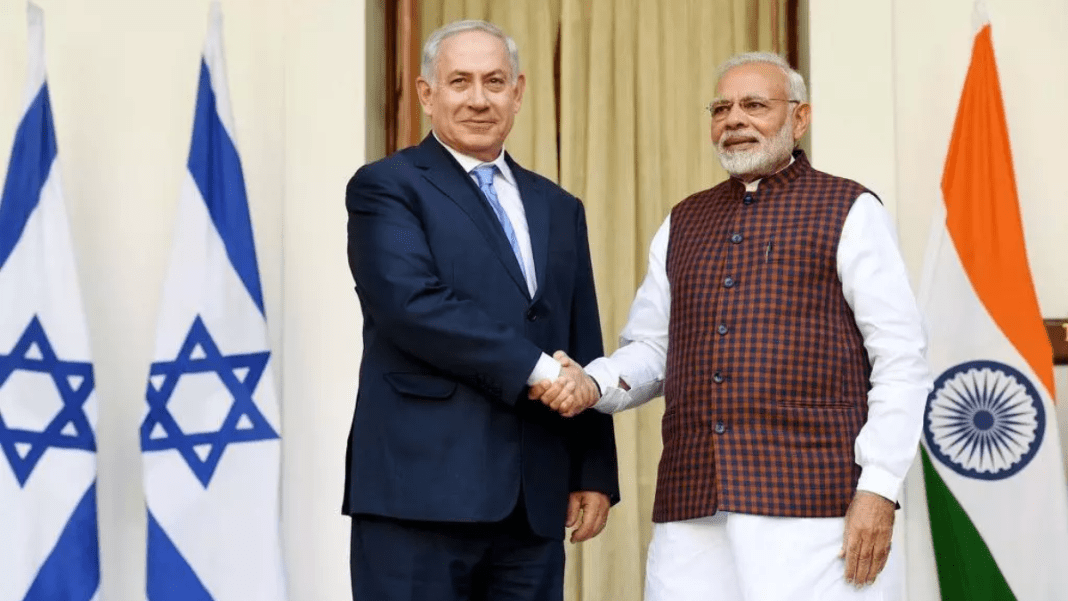

India’s position in the ongoing Israel-Iran conflict has caught the attention of global media and citizens alike. While most assumed that India was siding with Israel or trying to remain neutral, a closer look reveals a different story. The real story behind the Modi government’s stand isn’t Israel or Iran—it is the United Arab Emirates (UAE).
Modi Makes Two Calls That Reveal India’s Priority
India’s first public response came through posts on Prime Minister Narendra Modi’s X account. These posts detailed two phone calls that the Prime Minister had with foreign leaders. The first call was with Sheikh Mohamed bin Zayed Al Nahyan, the President of the UAE, and the second was with Israeli Prime Minister Benjamin Netanyahu. Notably, PM Modi did not have a direct conversation with Iran.
The tone of the two posts is telling. In the post about Sheikh Zayed, Modi referred to him as his “brother” and “strongly condemned” attacks on the UAE. The statement expressed solidarity but did not mention Iran by name. In contrast, his message to Netanyahu was formal, expressing “India’s concerns over recent developments” and urging an “early cessation of hostilities.” There was no personal warmth or reference to friendship, even though Modi has previously called Netanyahu a friend.
Middle East on edge as UAE draws red line and US warships move closer to Iran
This contrast highlights that India’s primary focus is not Israel, despite the attacks, but the UAE. It suggests that India’s diplomatic messaging is closely aligned with Emirati interests.
Why UAE Matters More to India Than Israel
PM Modi has repeatedly highlighted a special bond with Sheikh Mohamed bin Zayed, the UAE President, calling him his “brother”—a term he rarely uses for other world leaders. While he has referred to Mauritius’ Pravind Jugnauth and Bangladesh’s Sheikh Hasina as brother and sister, the closeness with Sheikh Zayed is unique. This distinction helps explain India’s careful approach to the West Asia conflict.
The UAE, Israel’s closest Arab ally, has not fully supported Israel’s recent attacks, especially after Iran targeted its infrastructure. India’s messaging, which called for an “end of hostilities” without openly backing Israel, signals alignment with the UAE while maintaining a balanced stance.
Rare public rift: Saudi Arabia claims UAE aided escape of wanted Yemeni leader
Two recent meetings reinforced this alignment. On January 19, Sheikh Zayed visited New Delhi and met PM Modi. Exactly a month later, Modi met the UAE crown prince at the AI Summit. These discussions helped both nations coordinate their positions ahead of a potential US-Israel strike on Iran.
India is also engaging other Gulf leaders. On March 3, PM Modi spoke with King Hamad of Bahrain, Saudi Crown Prince Mohammad Bin Salman, and King Abdullah of Jordan. These interactions show that India is working closely with Gulf nations to protect regional stability and ensure its diplomatic, economic, and strategic interests are safeguarded.
Social Media, Economic Interests, and Ideological Alignment
Iran’s attacks on Dubai and Abu Dhabi sparked reactions on Indian social media. Many users criticized Non-Resident Indians (NRIs) in the UAE, questioning why they had left India. BJP MP Nishikant Dubey even praised India’s safety under PM Modi. This led BJP leaders to step in, with Vijay Chauthaiwale condemning anti-UAE comments and emphasizing India’s trusted partnership with the Emirates. Soon, BJP-aligned influencers praised the UAE for protecting Indians during the strikes.
Economic ties also shape India’s stance. The UAE hosts one of the largest Indian expatriate communities, and many Indian business leaders, celebrities, and politicians have investments or properties there. Attacks on the UAE directly affect these interests. The Emirates’ strategy of attracting global elites with promises of safety, growth, and zero taxes makes its stability crucial for both sides.
Indian crew member dies in Gulf of Oman after tanker struck amid escalating regional conflict
Ideologically, India and the UAE share common ground. Since the Arab Spring, the UAE has focused on countering Islamist movements, mirroring India’s internal security policies. Both countries have restricted pro-Palestine protests and closely monitored gatherings seen as politically sensitive.
The UAE’s assertive foreign policy in Yemen, Sudan, and Libya, along with occasional friction with Saudi Arabia, adds another layer. These regional dynamics help explain why India aligns more closely with the UAE, seeking stability and protecting its economic and strategic interests in West Asia.