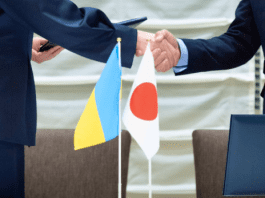
Japan is expanding its role in this year’s Balikatan exercises in the Philippines. It will deploy around 1,400 troops. Warships, aircraft, and anti-ship missiles will also be sent. This move signals a stronger commitment to regional security.
Japan Expands Role in Major Balikatan Exercises
Japan is set to play a much bigger role in this year’s Balikatan military exercises in the Philippines. These drills, which will run from April 20 to May 8, are the largest ever held between the Philippines and the United States, and now include a stronger presence from Japan.
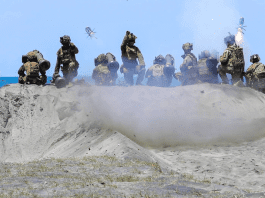
The country will deploy around 1,400 personnel as part of its Self-Defense Forces (SDF). This is a significant increase compared to previous years. The deployment will include members from ground, maritime, and air units, showing a wide and coordinated effort.
Over 17,000 troops join Balikatan: The largest joint military drills between the US and Philippines
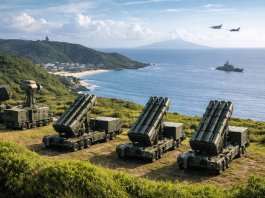
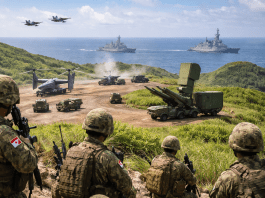
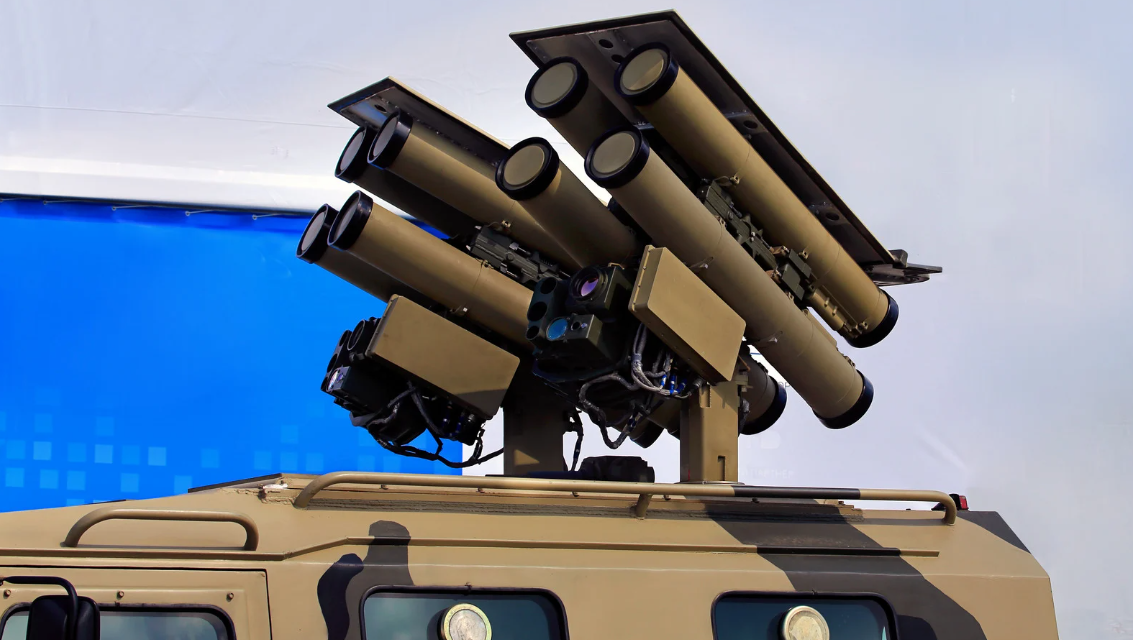
Along with troops, Japan will send multiple warships and aircraft. It will also deploy anti-ship missile systems, which are designed to target and stop enemy ships at sea. This combination of personnel and advanced equipment highlights how seriously Japan is taking its role in the drills.
Because of the size of its deployment, Japan will become the third-largest contributor to the exercises. Only the Philippines and the United States will have more troops involved. This marks a major shift in Japan’s participation, making it a key player in the drills.
Advanced Weapons and Strategic Coordination
The inclusion of anti-ship missile systems is one of the most important aspects of Japan’s deployment. These systems are used to protect coastlines and prevent hostile ships from entering sensitive areas. Their presence in the drills shows a focus on maritime security.
Japan’s forces will also work closely with troops from the Philippines and the United States. The drills are designed to improve coordination between allied forces. This includes practicing how to respond quickly to threats, share information, and carry out joint operations.
In addition to combat units, Japan is also sending cyber and medical teams. Cyber units help protect digital systems from attacks, while medical teams ensure that troops can receive quick treatment if needed. This shows that the exercises are not just about weapons, but also about full-scale readiness.
The participation of different branches of the Self-Defense Forces highlights Japan’s ability to operate across land, sea, and air. This type of joint operation is important in modern military planning, where threats can come from multiple directions at once.
Growing Security Ties in the Indo-Pacific
Japan’s expanded role in the Balikatan exercises is supported by a visiting-forces agreement between Tokyo and Manila. This agreement came into force last September and allows troops from both countries to operate more easily on each other’s territory.
The agreement has made it possible for Japan to take part in the drills at a much larger scale. It also reflects closer security ties between the two nations. Both countries have been increasing cooperation in recent years, especially in areas related to maritime safety.
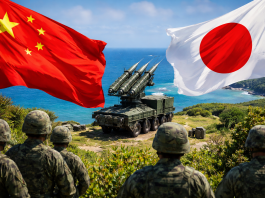
The deployment comes at a time when tensions are rising in the Indo-Pacific region. There are growing concerns about military activities and territorial disputes, particularly in nearby waters. These concerns have pushed countries to strengthen their defense partnerships.
China warns Philippines after rumored Taiwan minister visit sparks uproar
Japan’s participation in the drills is also linked to its broader defense strategy. Under its 2022 National Security Strategy, Japan has been working to improve its military capabilities. This includes strengthening defenses in its southwestern islands and developing new long-range missile systems.
The Balikatan exercises provide an opportunity for Japan to test its capabilities alongside trusted partners. It also allows all participating countries to improve their readiness and coordination in a real-world setting.