


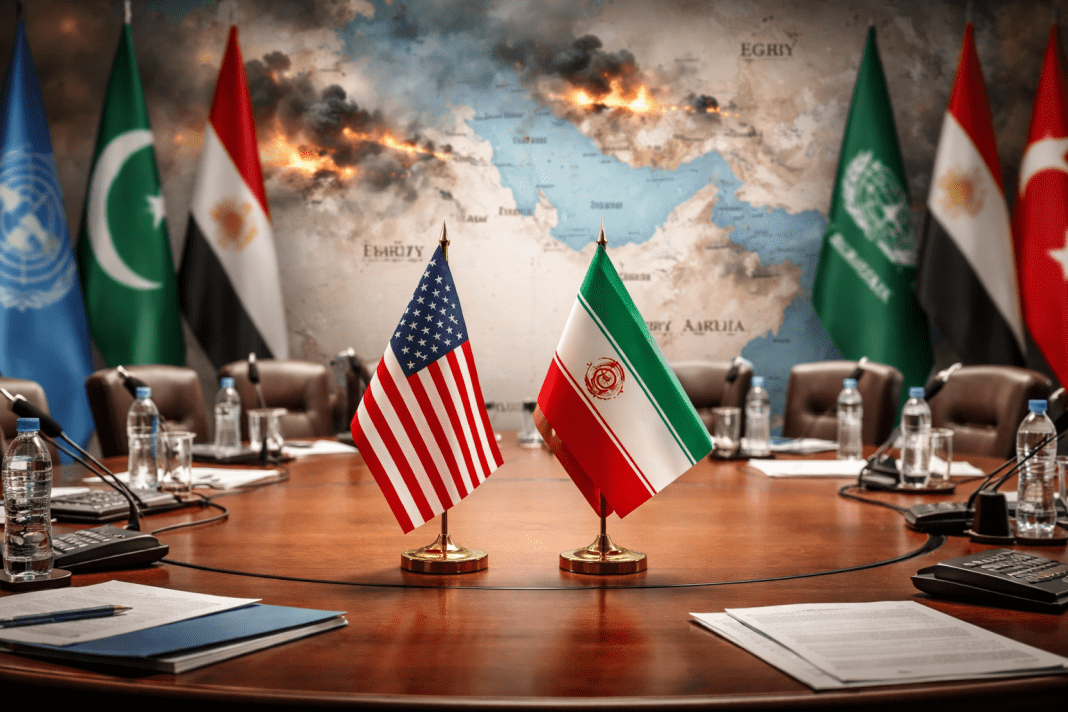


Amid rising tensions in West Asia, the United Nations has called for patience and continued dialogue after talks between the United States and Iran ended without a formal agreement. While the discussions did not produce a breakthrough, they highlighted ongoing diplomatic efforts, with the global body stressing that maintaining the ceasefire remains critical to preventing further escalation.
West Asia Ceasefire Holds as Talks End Without Deal
The United Nations has called for calm and continued dialogue after recent talks between United States and Iran ended without a formal agreement. The discussions, which lasted for nearly 21 hours, were held in Islamabad and focused on reducing tensions linked to the ongoing West Asia conflict.
Despite the long hours of negotiation, both sides were unable to reach a deal to end the fighting. However, officials described the discussions as serious and meaningful. The talks showed that both countries are willing to stay engaged, even though their differences remain deep.
IRGC denies missile launch reports and reaffirms commitment to the U.S. ceasefire
The United Nations stressed that the current ceasefire must be protected at all costs. A temporary pause in fighting was announced last week, giving hope to millions affected by the conflict. The global body warned that any violation of the ceasefire could worsen the situation and lead to more destruction.
Officials highlighted that reaching a full agreement will take time. They explained that such complex conflicts cannot be solved in a single meeting. The message was clear: patience and continued dialogue are necessary steps toward peace.
Global Concerns Rise Over Conflict Impact
The ongoing conflict in West Asia has already caused serious damage, affecting not just the region but the entire world. The United Nations pointed out that there is no military solution to the crisis. Continued fighting has led to loss of life, destruction of infrastructure, and growing fear among civilians.
One major concern is the situation in the Strait of Hormuz. This narrow waterway is one of the most important routes for global oil and gas transport. Any disruption here can impact fuel prices and supply chains worldwide.
Was Pakistan the messenger or was China the author? The mystery behind the US.-Iran ceasefire
Thousands of seafarers have been caught in the conflict, with many stranded on ships in difficult conditions. These workers are facing daily hardships as the situation remains uncertain. The disruption of shipping routes has already started affecting global trade.
The United Nations also warned about the impact on food security. Fertiliser supplies have been disrupted, which could affect farming in many countries. This may lead to higher food prices and increased difficulties for vulnerable populations.
Rising costs in fuel, transport, and basic goods are adding pressure on economies. Many countries are already dealing with inflation, and the conflict is making the situation worse.
Mediation Efforts Continue Across Region
Several countries have stepped in to help reduce tensions and bring both sides closer to an agreement. Pakistan hosted the recent round of talks, playing a key role in facilitating discussions. Other nations, including Saudi Arabia, Egypt, and Türkiye, are also actively involved in mediation efforts.
These countries are working together to encourage peaceful dialogue and prevent further escalation. The United Nations has thanked these mediators for their continued support and efforts in maintaining communication between the two sides.
Diplomatic teams remain engaged in the region, holding meetings with key stakeholders. Their goal is to find common ground and build trust between the parties involved. Efforts are ongoing to ensure that discussions continue in a constructive manner.
Is the ceasefire holding? Confusion grows as heavy strikes continue in Lebanon
The United Nations has also emphasized the importance of following international law, especially when it comes to freedom of navigation. Ensuring safe movement through critical waterways like the Strait of Hormuz is essential for global stability.
While no agreement has been reached yet, the continued talks signal that diplomacy is still active. The focus remains on maintaining the ceasefire and keeping communication channels open between all parties involved.