
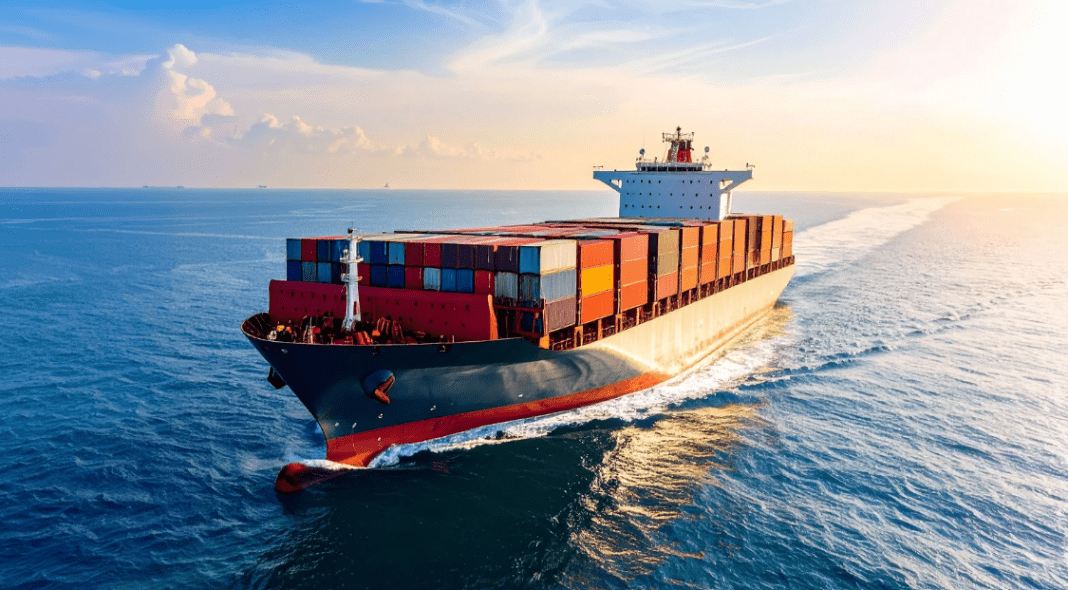

Iran’s Islamic Revolutionary Guard Corps announced a new maritime policy. Any Arab or European country that expels US and Israeli diplomats will be granted free passage through the Strait of Hormuz. The move links diplomatic decisions to access through this critical oil shipping route. The announcement comes amid ongoing military tensions across the Middle East.
Iran Links Shipping Access to Diplomatic Decisions
Iran’s new maritime policy links diplomatic decisions to access through the Strait of Hormuz. The Islamic Revolutionary Guard Corps stated that any country expelling US and Israeli diplomats from their capitals would receive guaranteed transit rights through the strategic waterway. The announcement was broadcast on state television and targets both European and Arab nations that rely heavily on oil and gas shipments through the Gulf.
The policy puts foreign governments in a difficult position. Many nations depend on stable relations with major powers while also needing uninterrupted access to energy imports moving through the strait. By connecting these issues, Iran is pressuring countries to choose between diplomatic ties or smooth passage for their commercial vessels.
Iran IRGC says Strait of Hormuz passage open to states expelling US and Israeli envoys amid oil risk
Officials described the move as a response to regional developments, saying some outside powers are considering military measures to control the waterway. Tehran’s proposal offers an alternative, guaranteeing navigation for countries that comply with its diplomatic demands instead of relying on broader international security efforts.
Strait of Hormuz Remains Critical for Global Oil Supply
The Strait of Hormuz is one of the most strategically important waterways in the world. This narrow channel connects the Persian Gulf to the Gulf of Oman and serves as a key passage for oil and gas produced by several Middle Eastern countries. Tankers carrying crude oil and natural gas must pass through this corridor before reaching international markets, making it essential for global energy supplies.
Experts estimate that about 20 percent of the world’s daily oil shipments travel through the strait. This includes shipments to Asia, Europe, and other regions, meaning that the smooth functioning of the waterway is critical for both producers and importing nations. Any disruption, even temporary, can quickly affect global energy prices, create supply chain problems, and increase uncertainty in international markets.
Trump downplays rising gas prices as US-Iran conflict disrupts oil markets globally
For countries that rely heavily on energy imports, safe passage through the strait is vital. Industries, transportation systems, and power generation depend on these supplies, making the waterway a central part of global economic stability.
Iran’s recent proposal linking free passage to diplomatic actions uses this strategic importance as leverage. By offering unrestricted navigation to nations willing to expel US and Israeli diplomats, Tehran is signaling that it can influence who benefits from safe access. With regional tensions and military activity continuing, developments around the strait remain a critical focus for governments and energy markets worldwide.
Ongoing Conflict Shapes Regional Tensions
The announcement comes at a time when military activity continues across several parts of the Middle East. Airstrikes and security operations are still being reported on a regular basis, creating an atmosphere of uncertainty across the region. Many areas near the Persian Gulf remain on high alert as tensions between rival powers continue to shape events on the ground and in nearby waters.
Despite a recent leadership change in Iran, the country’s stance toward Western governments has remained firm. The new leadership has continued to support the same policies that existed before the transition, particularly regarding relations with the United States and Israel. Officials have indicated that the change at the top does not signal a shift in Iran’s broader political or military strategy.
Authorities within Iran have suggested that the leadership transition will not result in softer positions on these matters. Instead, the country’s military and political institutions appear determined to maintain their current approach during the ongoing tensions in the region.
At the same time, the Strait of Hormuz remains a key focus of global attention. Governments, energy markets, and international shipping companies are closely watching developments near the narrow waterway, which carries a large portion of the world’s oil shipments and remains vital for global energy supplies.