
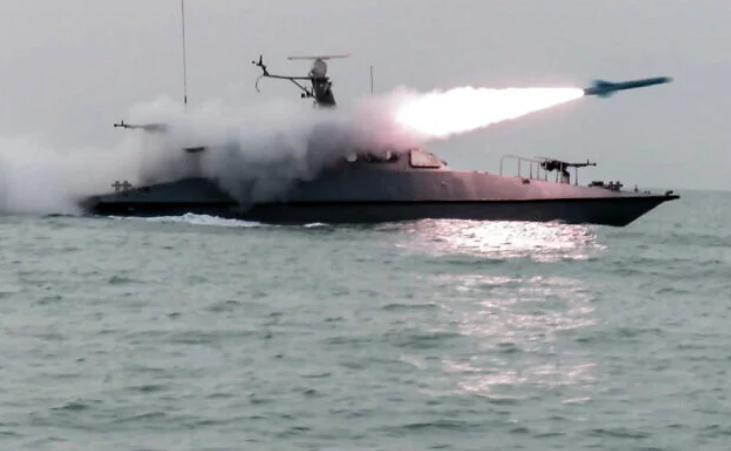

Iran is close to finalizing a deal with China to buy supersonic anti‑ship missiles. The missiles, known as CM‑302, fly low and fast to evade defenses. They could threaten U.S. naval forces. Talks have been ongoing for over two years. Negotiations accelerated after a recent Israel-Iran conflict. High-level Iranian officials have visited China. No delivery date or number of missiles has been confirmed.
Supersonic Anti‑Ship Missiles That Can Alter Naval Power
The CM‑302 anti‑ship missiles are among the most advanced weapons of their kind. The CM‑302 anti‑ship missiles can travel about 290 kilometers, or roughly 180 miles, and they evade defenses mounted on ships. Experts call them a “game-changer” because these anti-ship missiles could seriously challenge naval operations in the region.
Iran can launch the anti-ship missiles from ships, planes, or mobile ground vehicles, giving its military a flexible way to deploy them. The missiles can target both warships and land targets, making them a versatile addition to Iran’s arsenal.
In addition to anti-ship missiles, Iran is reportedly in talks with China for other sophisticated military systems, including surface-to-air missiles, anti-ballistic weapons, and even anti-satellite technology. These negotiations highlight a growing military relationship between the two countries.
Regional Tensions Rise as U.S. Navy Assembles Forces
The potential anti‑ship missile deal comes amid rising tensions in the Persian Gulf. The United States has deployed a major naval presence near Iran, including aircraft carriers and strike groups capable of carrying thousands of personnel and hundreds of aircraft. These forces are positioned close enough to strike key Iranian targets if needed, highlighting the region’s escalating military readiness.
China, Iran, and Russia have been strengthening military cooperation in recent years, including conducting joint naval exercises. This closer collaboration adds another layer of complexity to the regional security landscape and could shift the traditional balance of power.
🧨 Beijing Backs Tehran: Inside China’s $4B Bet on Iran’s Future Despite Sanctions
The CM‑302 anti‑ship missiles deal would represent one of the most advanced military transfers from China to Iran in decades. The supersonic anti‑ship missiles are far more capable than past systems, marking a significant step in Iran’s military modernization.
China previously supplied weapons to Iran during the 1980s, but international pressure largely halted large-scale transfers by the late 1990s. While Chinese companies have continued providing missile-related materials in recent years, this would be the first potential transfer of a complete supersonic anti‑ship missile system.
A Strategic Move with Global Implications
The acquisition of these supersonic anti‑ship missiles would give Iran a stronger ability to defend its coastline and control important maritime routes. With weapons that can strike ships from long distances and evade defenses, Iran could make it much harder for foreign naval forces to operate in the region. This would help protect key shipping lanes that are crucial for trade and energy exports.
Beyond coastal defense, the missiles could shift the balance of naval power in the region. Key waterways like the Strait of Hormuz and the Gulf of Oman could become more strategically risky for foreign ships, giving Iran greater leverage in regional matters. The new capability would serve both as a deterrent and a tool for influence over neighboring countries and international forces.
China warns US against attacking Iran, says ‘military adventurism’ could plunge West Asia into chaos
China’s support for Iran’s sovereignty and territorial integrity underscores the strategic nature of this deal. By cooperating militarily, China signals its willingness to back Iran politically and strengthen its position amid growing tensions with the United States. This partnership reflects a broader geopolitical alignment that could alter traditional power dynamics in the Middle East.
Although the financial terms and delivery timeline are not public, the agreement highlights deepening military and diplomatic ties between the two countries. Experts are closely watching the deal, as the introduction of advanced anti‑ship missiles could change regional security calculations and raise global concerns about military escalation.