
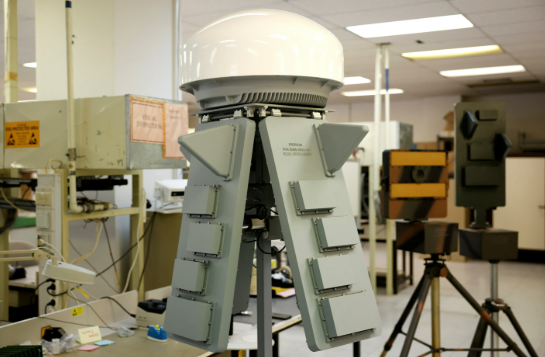

Greece has strengthened its air defenses by integrating the Centauros anti-drone system with Israel’s Barak MX platform. This marks the first major defense industry collaboration between the two countries. The combined system detects and counters aerial threats using electronic interference or missiles. It helps stop low-cost drones without relying only on expensive interceptors.
A Unified Defense Against Low-Cost Drone Threats With Centauros
Modern battlefields are seeing a rapid increase in the use of unmanned aerial vehicles, commonly known as drones. These drones are often inexpensive, easy to launch, and difficult to track. Using costly interceptor missiles against such low-price threats has become a serious challenge for many countries.
The Centauros system was designed to solve this problem. Instead of relying only on missiles, it uses electronic warfare techniques. These include jamming signals, disrupting navigation systems, and interfering with communication links that drones need to operate. By doing this, Centauros can disable or force drones to crash without firing a missile.
Greece warns of intensifying East–West cyber conflict as espionage attempts quietly spike
The Barak MX air defense platform, on the other hand, is a missile-based system built to stop aircraft, helicopters, cruise missiles, and other aerial threats. Each interceptor missile used by this system costs around $550,000. While highly effective, such missiles are not economically suitable for shooting down cheap drones that may cost only a few thousand dollars.
By integrating Centauros with Barak MX, operators now have more choices. When a drone approaches, the system can first attempt to stop it using electronic interference, which is far cheaper. Only if electronic methods fail or if the threat is more serious will missile interception be used. This layered defense approach reduces costs while maintaining strong protection.
Proven Performance and Real-World Testing
The integrated system has already undergone extensive field testing. These tests were carefully observed and confirmed that Centauros and Barak MX operate as a fully unified package. Sensors, command systems, and response tools are connected under one command-and-control environment.
This means operators do not need to switch between separate systems. From a single interface, they can detect incoming threats, assess their level of danger, and choose the most suitable response. This makes the system easier to use, faster to react, and more effective in high-pressure situations.
Centauros has also shown its operational value in real-world conditions. During operations in the Red Sea region, the system successfully neutralized at least three hostile drones. These confirmed interceptions demonstrated that electronic anti-drone measures can work effectively even in complex and challenging environments.
Such real-world performance has increased confidence in the system’s reliability. It also highlights how electronic warfare tools are becoming just as important as traditional missile defenses in protecting airspace.
Strengthening Regional Defense and Industry Cooperation
The integration of the Centauros system with the Barak MX platform is both a military and industrial milestone. It marks the first major defense industry partnership between Greece and Israel at this scale. The collaboration combines Greek-developed electronic warfare technology with a widely deployed missile defense system, creating a more flexible and efficient air defense solution.
Greece and Cyprus have both chosen Centauros as part of their defense planning. Authorities have submitted a proposal linked to the system under the European SAFE regulation, which supports joint defense projects across Europe. Cyprus already operates the Barak MX system, while Greece plans to deploy it in the future, allowing both countries to benefit from compatible defense technologies.
High-Voltage Warfare! Greece Secures Lockheed Martin Support for F-35 Program in New $17M Agreement
Using shared and interoperable systems improves coordination between allied nations. It makes it easier to exchange data, align responses, and strengthen regional security. For Greece, the integration also supports its domestic defense industry. Successfully pairing a locally developed system with a globally recognized platform raises the visibility of Greek defense technology and improves its appeal to international buyers.
Both systems now function within a single command-and-control structure. This allows operators to respond quickly to different threats, from small drones to missiles, by choosing between electronic jamming and missile interception. The collaboration reflects the growing focus on integrated, layered air defense solutions.