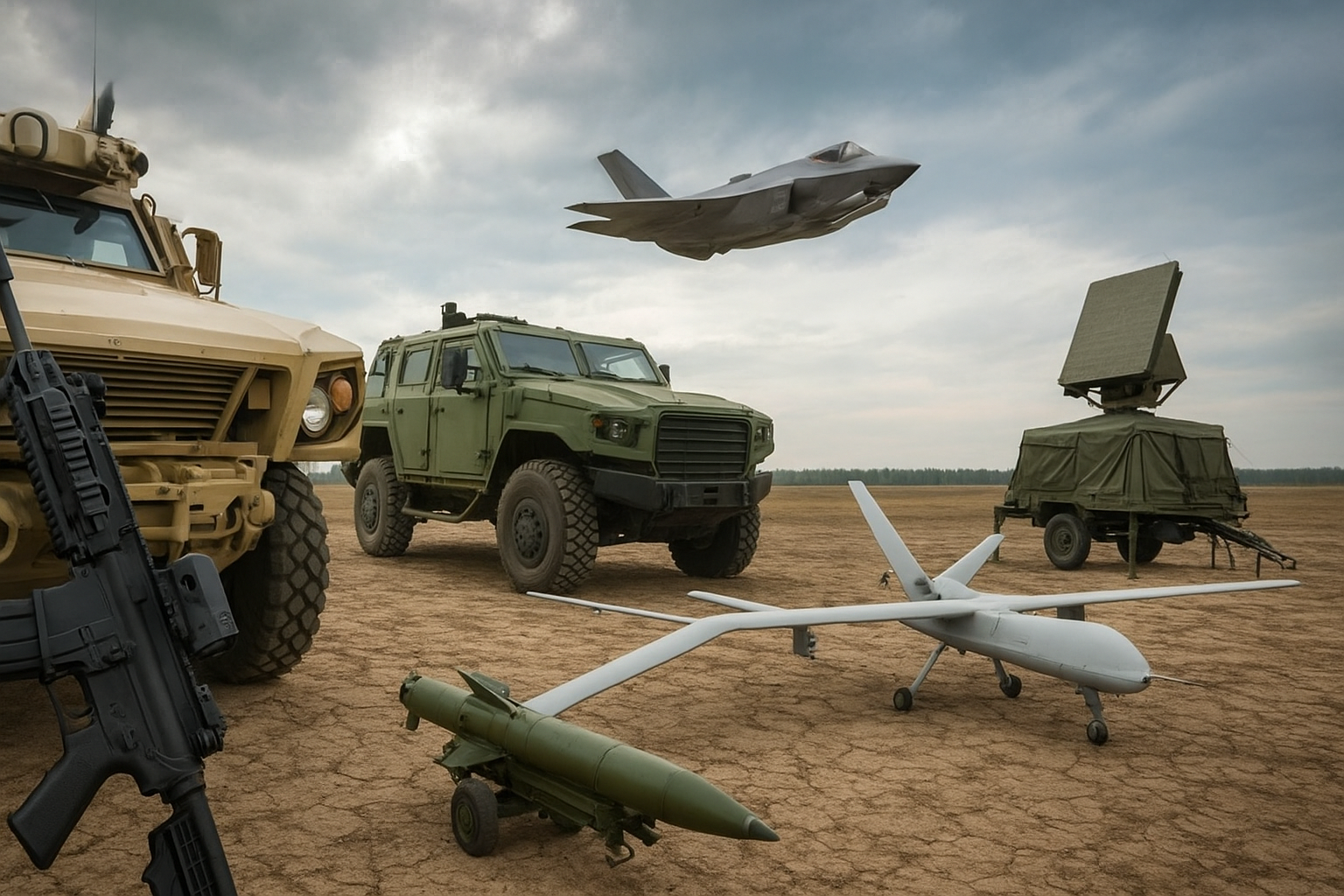
Germany has approved a major wave of defense procurement decisions that will upgrade weapons, aircraft systems, drones, vehicles, and battlefield sensors across its Armed Forces. The parliamentary budget committee gave the green light to multiple purchases that will help modernize equipment and support Germany’s commitments within NATO.
Major Defense Procurement Move Strengthens Germany’s Military Readiness
A key part of this approval is the rollout of the new G95 assault rifle. This rifle will replace the older G36 as the country’s main service weapon. The G95 is based on a modern and reliable design that performs well in difficult conditions. Germany had already approved almost 120,000 rifles in 2022, but the latest defense procurement decision increases the total so that the entire military can be fully equipped. Each rifle will include laser light modules for night operations and a high-quality combat optic that helps soldiers aim more accurately.
To support safer communication during missions, lawmakers also approved more protective headsets. These headsets allow clear communication even when noise levels are high, and they help protect soldiers from permanent hearing damage. Deliveries of these headsets will begin in 2026 under an existing contract.
Expanded Defense Procurement Boosts Vehicles, Missiles, and Air Capabilities
Germany’s latest defense procurement package brings major upgrades to ground mobility. New off-road military vehicles will arrive between 2026 and 2027 to support command units and military police. Designed for rough terrain and long missions, these vehicles will also carry digital battlefield systems. Lawmakers have additionally approved 70-ton semi-trailers capable of transporting Leopard 2 tanks and other heavy armored vehicles, with deliveries expected in 2026.
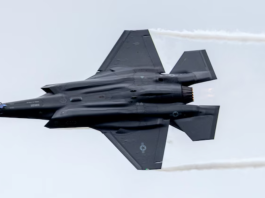
The air domain is receiving a boost as well. The committee has approved additional cruise missiles for Germany’s future F-35A fighter jets, which will replace the older Tornado aircraft in NATO’s nuclear-sharing mission. The first F-35s are set to arrive in the United States in 2026 for pilot training before moving to a German air base in 2027.
Germany and France Sound Aviation Alarm: “EU Tariffs Could Cripple Airbus-Boeing Supply Chain”
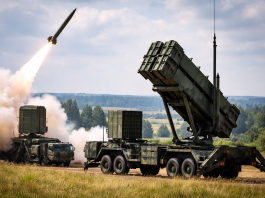
Germany is also continuing its partnership with Norway on Joint Strike Missiles. These advanced weapons can strike both land and sea targets, helping Germany meet NATO ammunition stockpile requirements. Their inclusion strengthens long-range strike capabilities and supports the broader defense procurement strategy.
Naval aviation will see improvements through the redesign of the maritime surveillance radar processor on the naval NH90 helicopter. This project is being carried out with Belgium, Italy, and the Netherlands to reduce costs and enhance cooperation. Germany’s Eurofighter fleet will also receive upgraded radar test equipment to replace aging systems and maintain strong target detection and tracking performance.
Boost to Drone Surveillance and AI-Supported Recon Capabilities
Germany is also making major improvements in surveillance and intelligence. As part of this defense procurement package, lawmakers approved more operational hours for the leased Heron TP drones. These drones currently operate from Jagel Air Base and provide long-endurance surveillance for missions. They will continue to serve as an important capability until the Eurodrone program is ready.
For close-range reconnaissance, Germany approved a new framework contract for a high three-digit number of ALADIN drones. These lightweight drones can be set up in minutes and provide real-time video during both day and night missions. Frontline units use them to scout ahead safely without exposing soldiers to danger.
One of the most advanced systems approved is the Uranos artificial-intelligence battlefield surveillance network. This program will link air and ground sensors to help provide clear reconnaissance information at the tactical level. The Uranos system uses AI to combine data and present a more accurate picture of battlefield activity. The first systems will be delivered to a German brigade stationed in Lithuania on NATO’s eastern flank. Eight complete systems from two different manufacturers will be procured, with initial capability expected between 2026 and 2028.
Germany explores supporting Ukraine with long-range missiles amid ongoing regional tensions
Germany is also strengthening its radar and sensor infrastructure as part of its broader defense procurement effort. The redesigned maritime radar processor for the NH90 and the upgraded radar test systems for the Eurofighter will help maintain strong surveillance and reliable target detection.
Overall, this large package of defense procurement decisions reflects Germany’s ongoing work to modernize its Armed Forces, support NATO missions, and provide soldiers with more advanced, safer, and better-equipped tools for future operations.